Precision lens manufacturer for machine vision, medical, and industrial imaging applications.

Our Optics Factory — Hangzhou, China

Optical Manufacturing From Design to Final MTF Test — Under One Roof

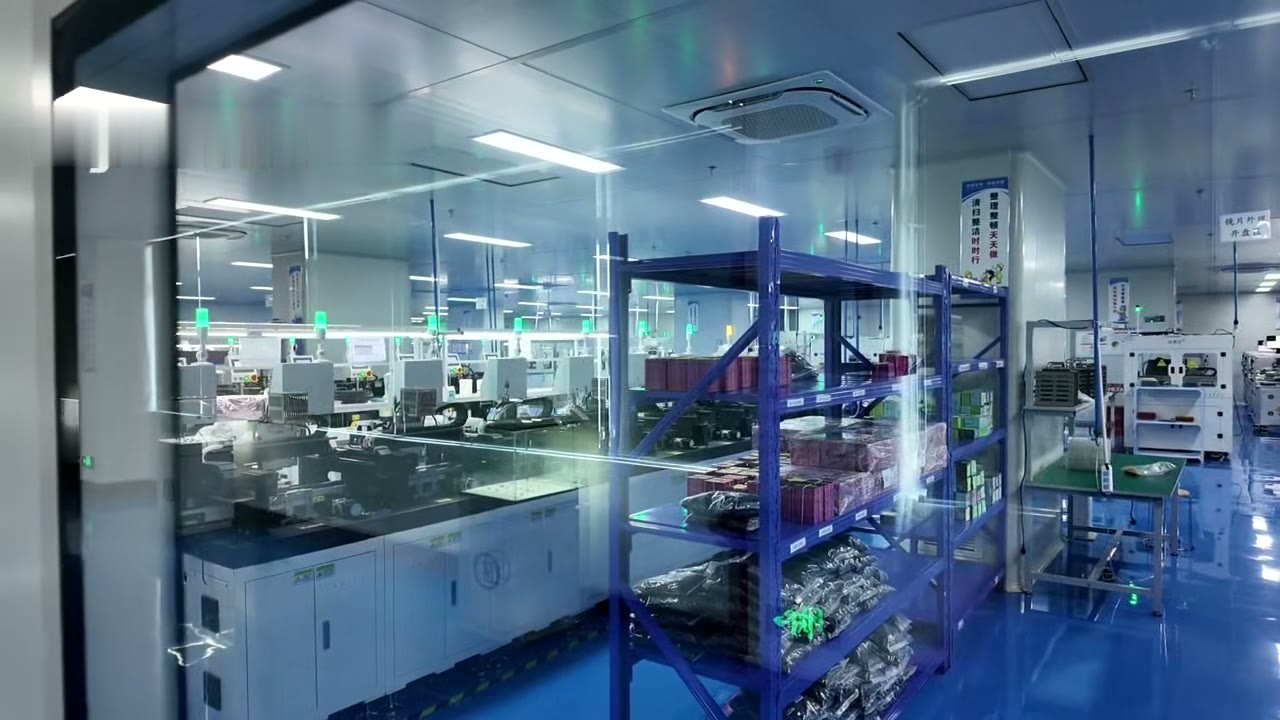
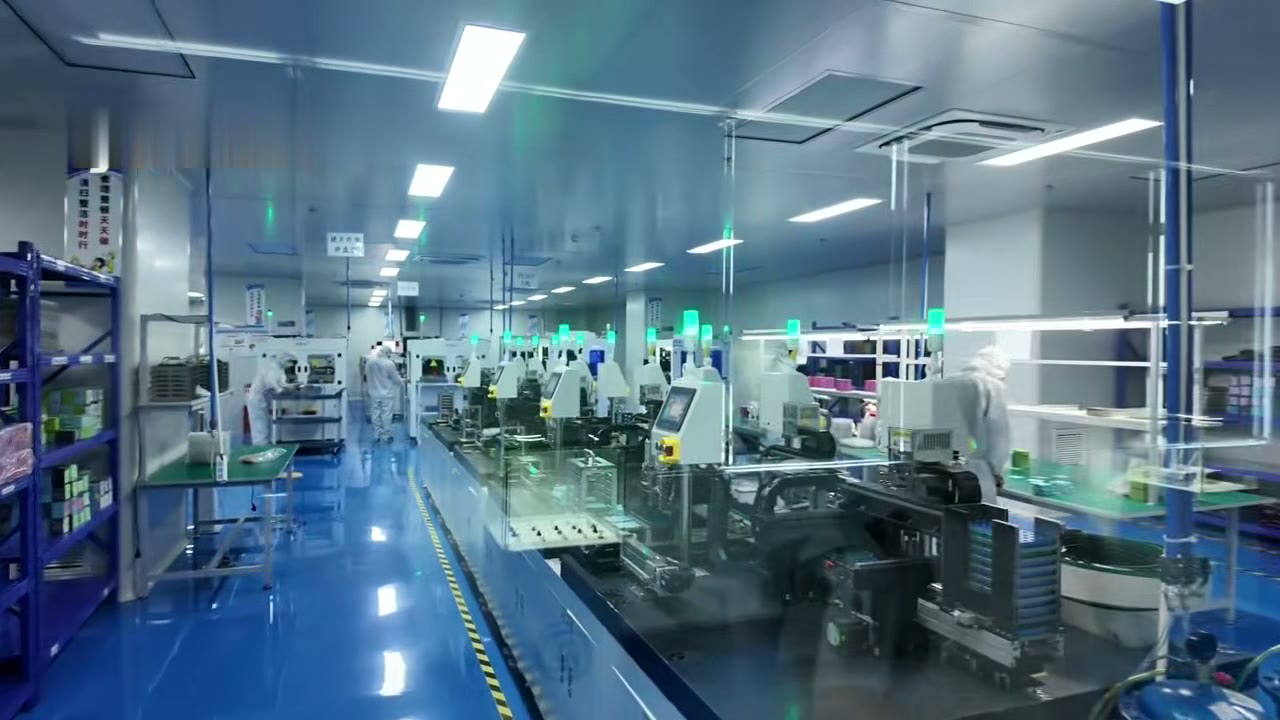
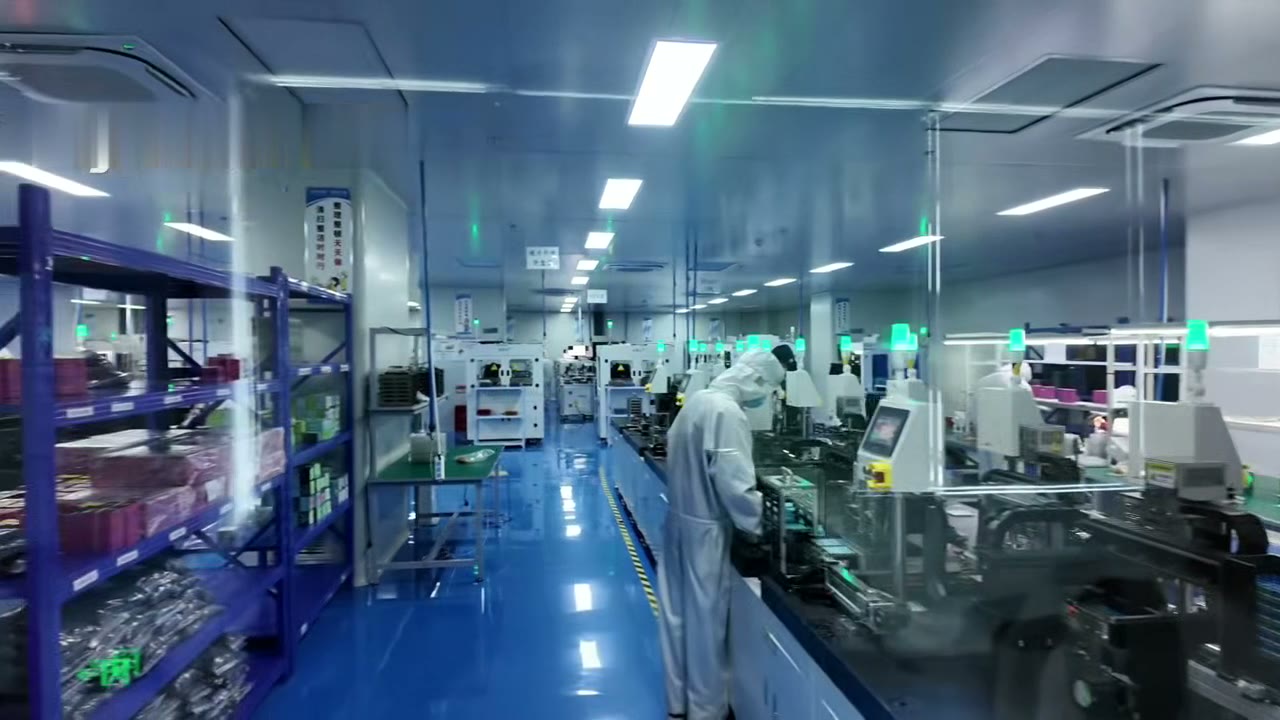
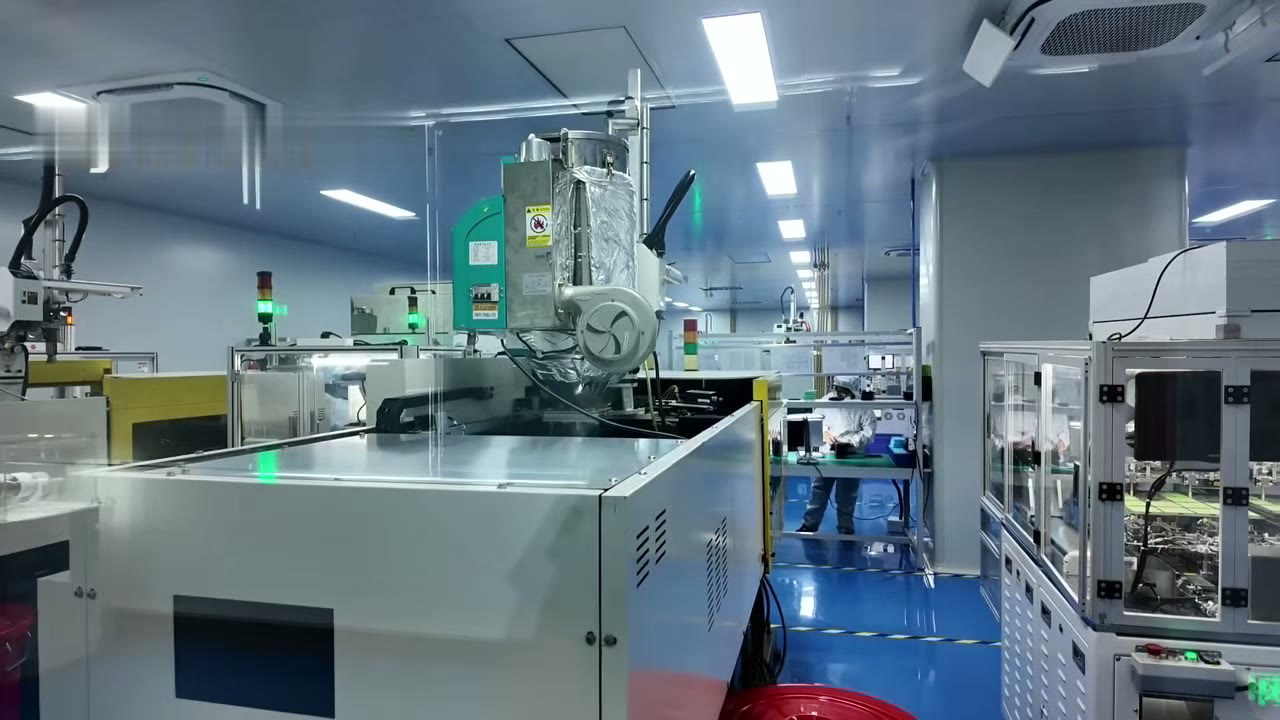
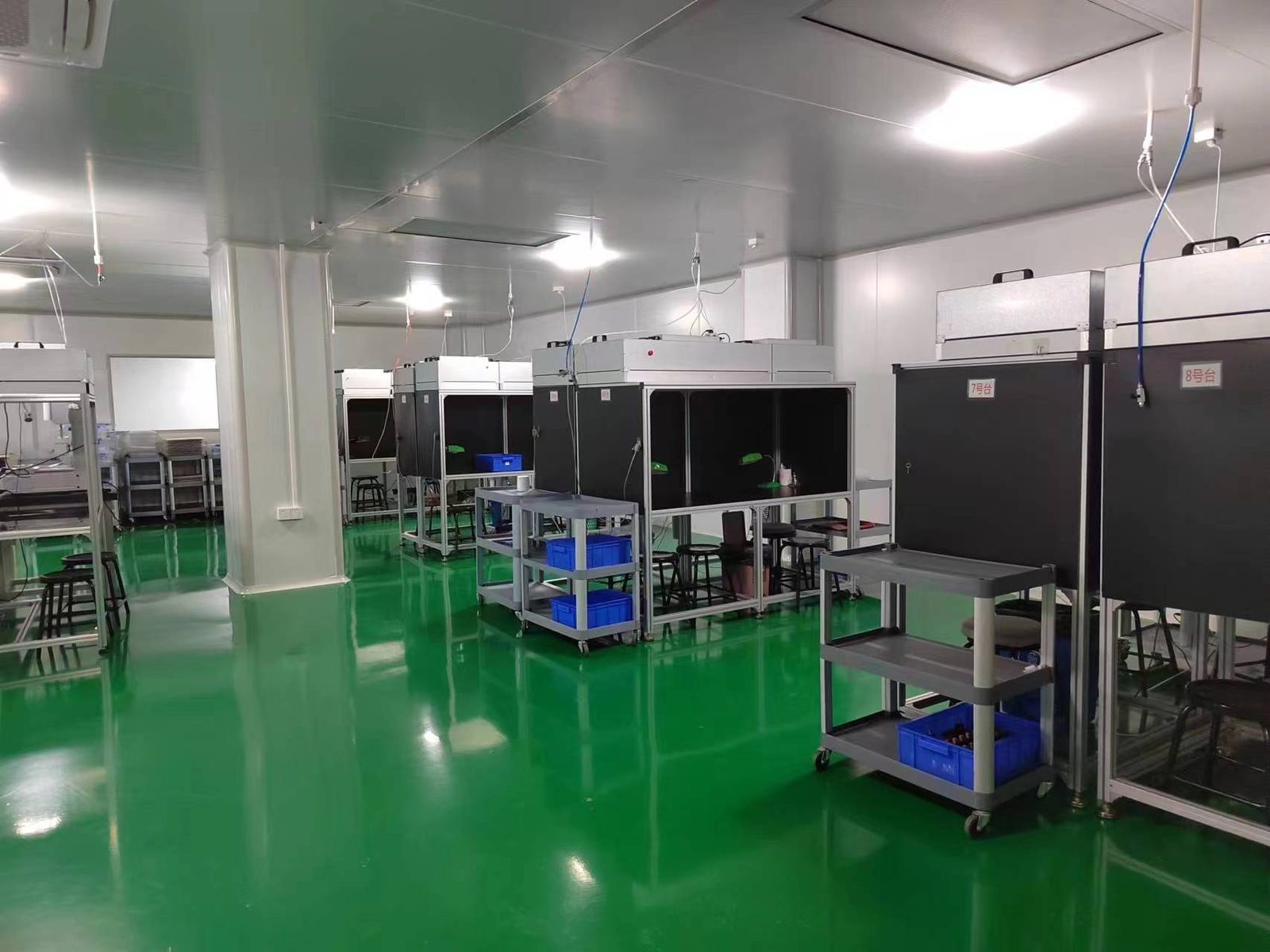
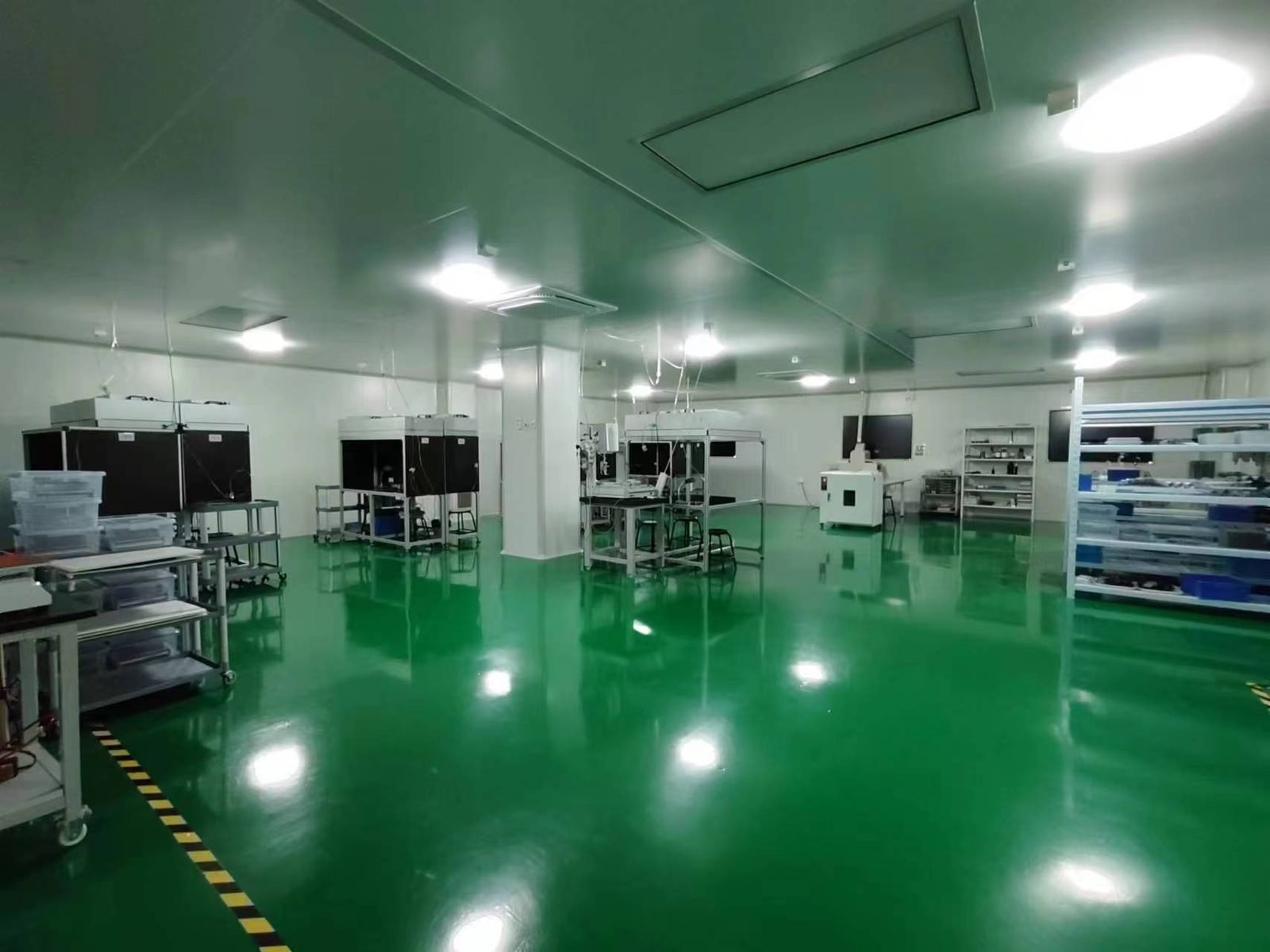
Lensmind runs an integrated optical manufacturing line: optical design, precision machining, thin-film coating, cementing and centration, cleanroom assembly, 1 μm-class active alignment, hermetic packaging and metrology-grade testing. The core steps are never outsourced — what we design, we build; what we build, we test.

29Process-Zoned Factory Photos
HangzhouLin’an Optics Cluster
60Working Days to Mass Production
NDA& 5-Year Tooling Care
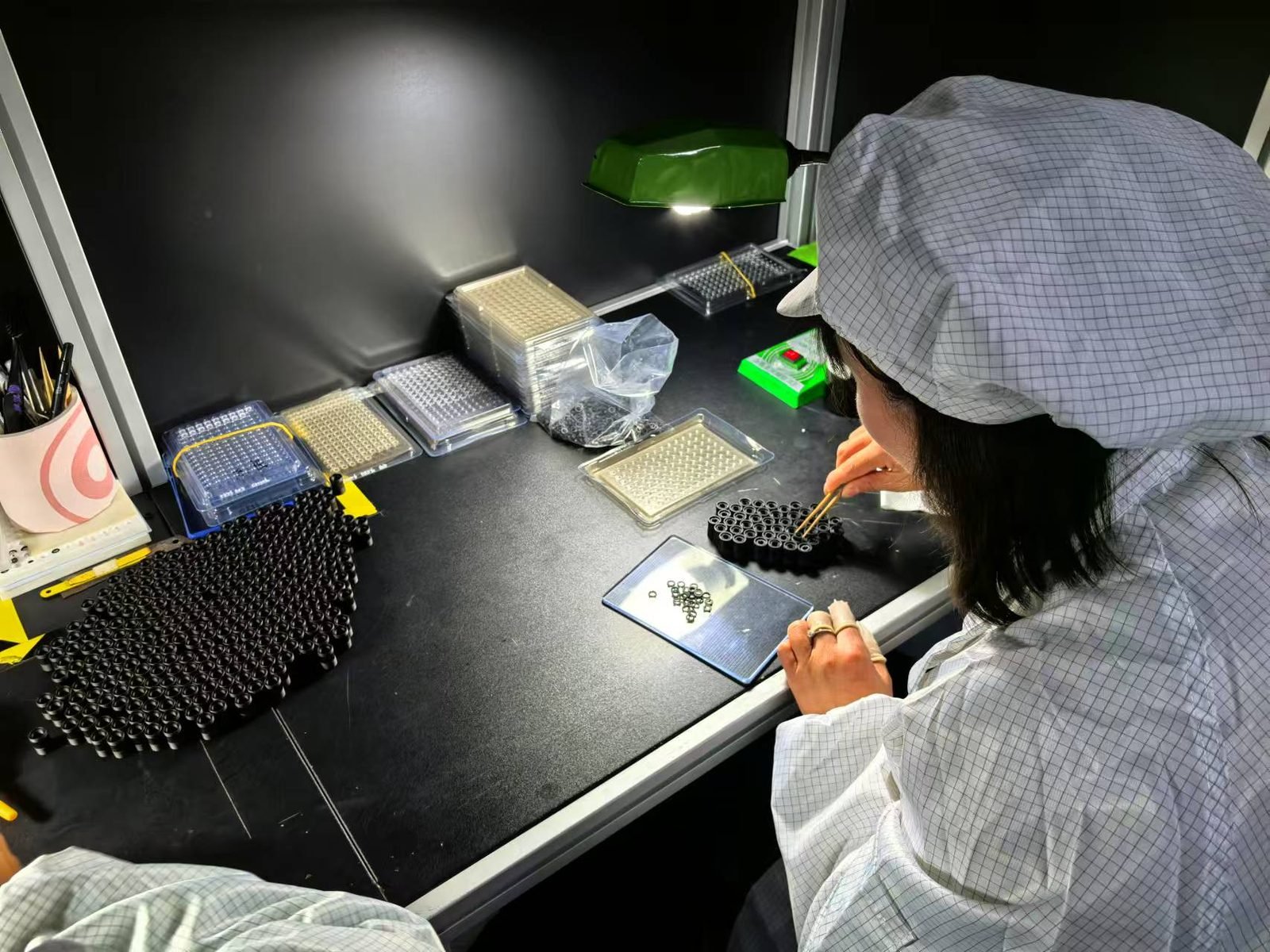
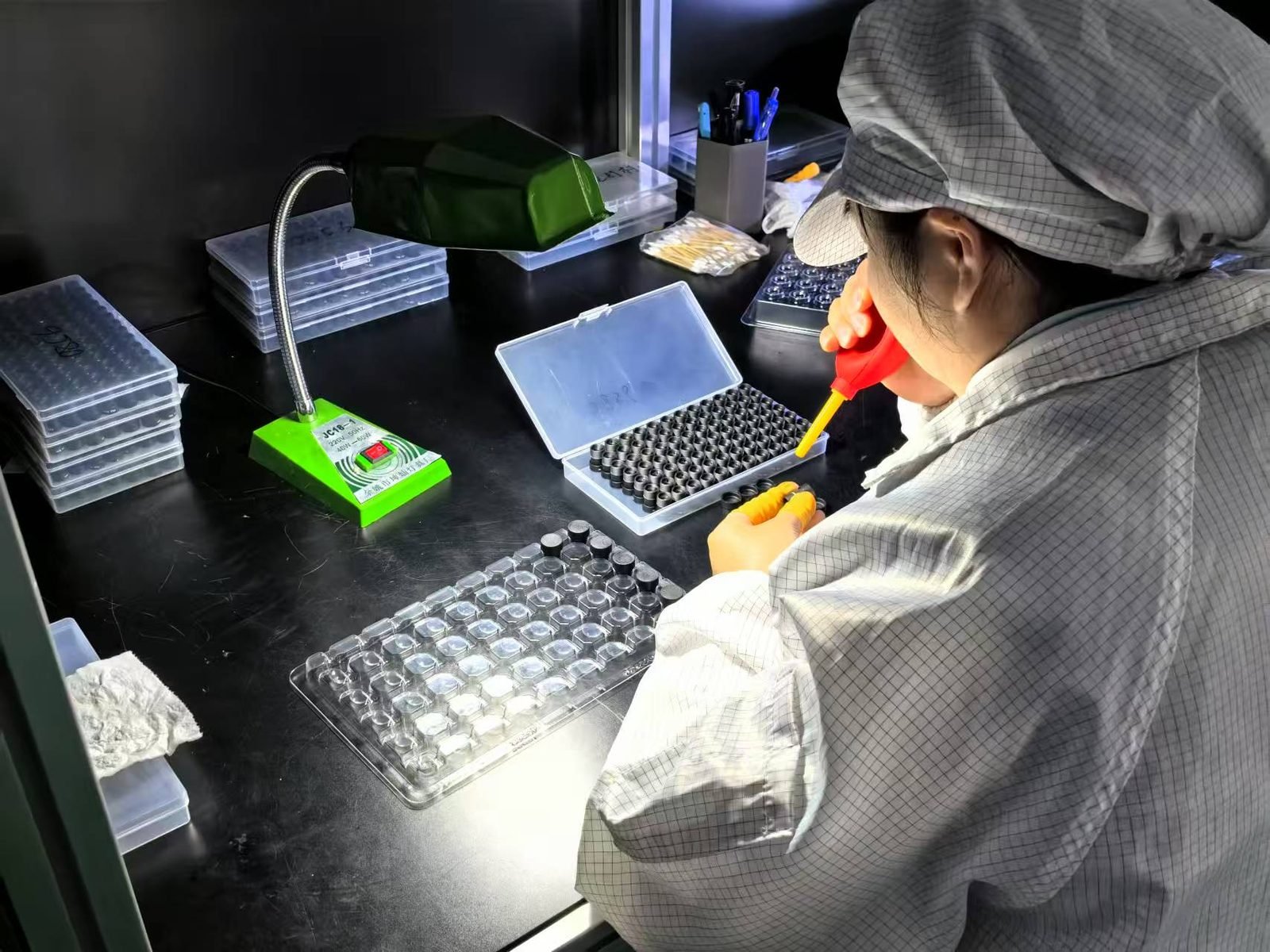
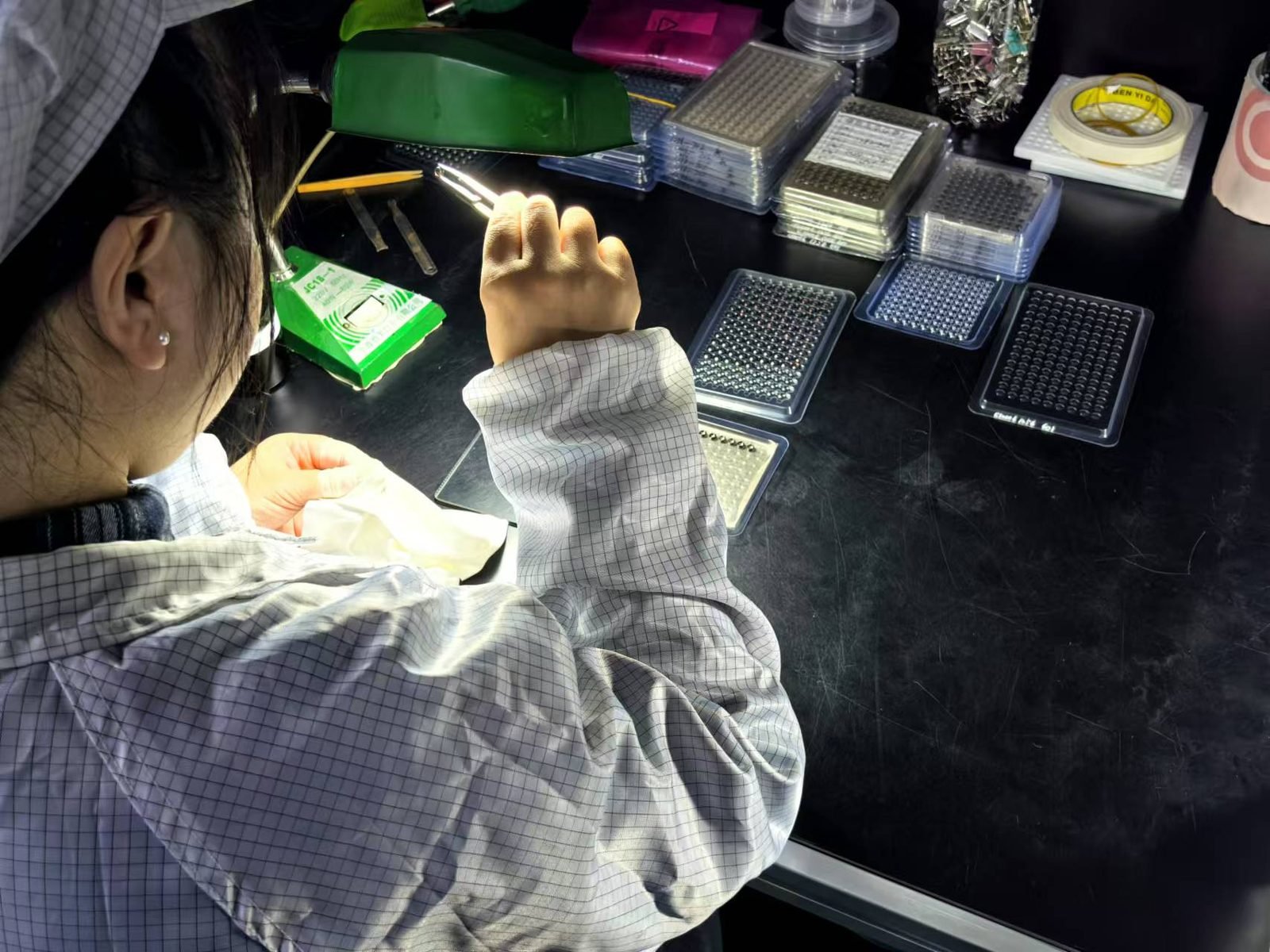
The Production Line · Hangzhou Factory

Six Stages, One Accountable Team — From Design to Final MTF

Every outsourced step is a place where batch consistency goes to die. Click a stage: real floor photos, the named instrument, and the spec it protects — including 1 μm active alignment and Trioptics centration.

Design and engineering workstations at the Lensmind Hangzhou factory
Stage 01 · in-house

Optical Design

In-house optical and opto-mechanical design with MTF simulation and tolerance analysis, so every drawing is born manufacturable. Custom programs start here — including reverse engineering from physical samples when no drawing exists.

The same engineers who review your RFQ own the build through production. Custom optics programs →

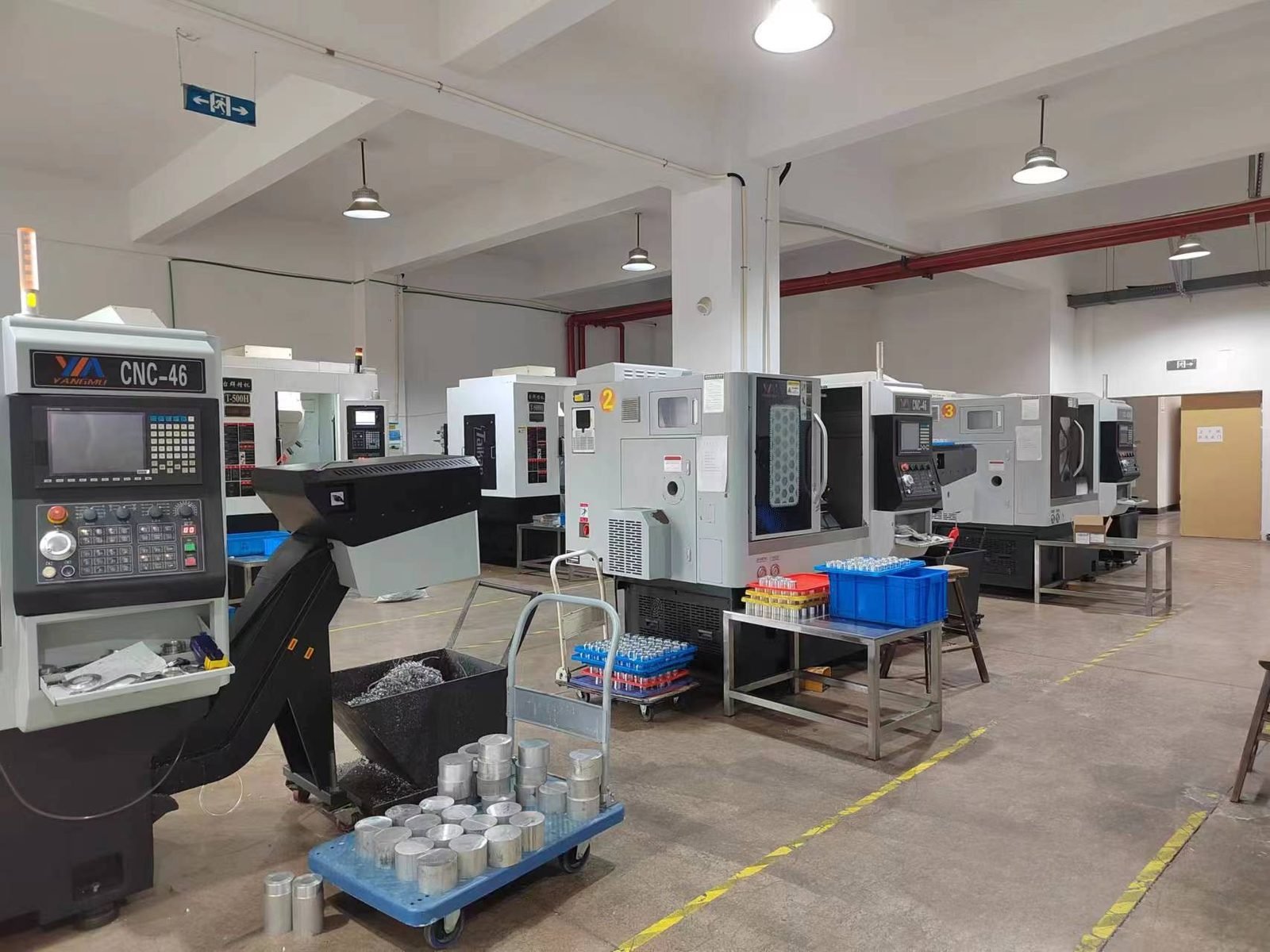
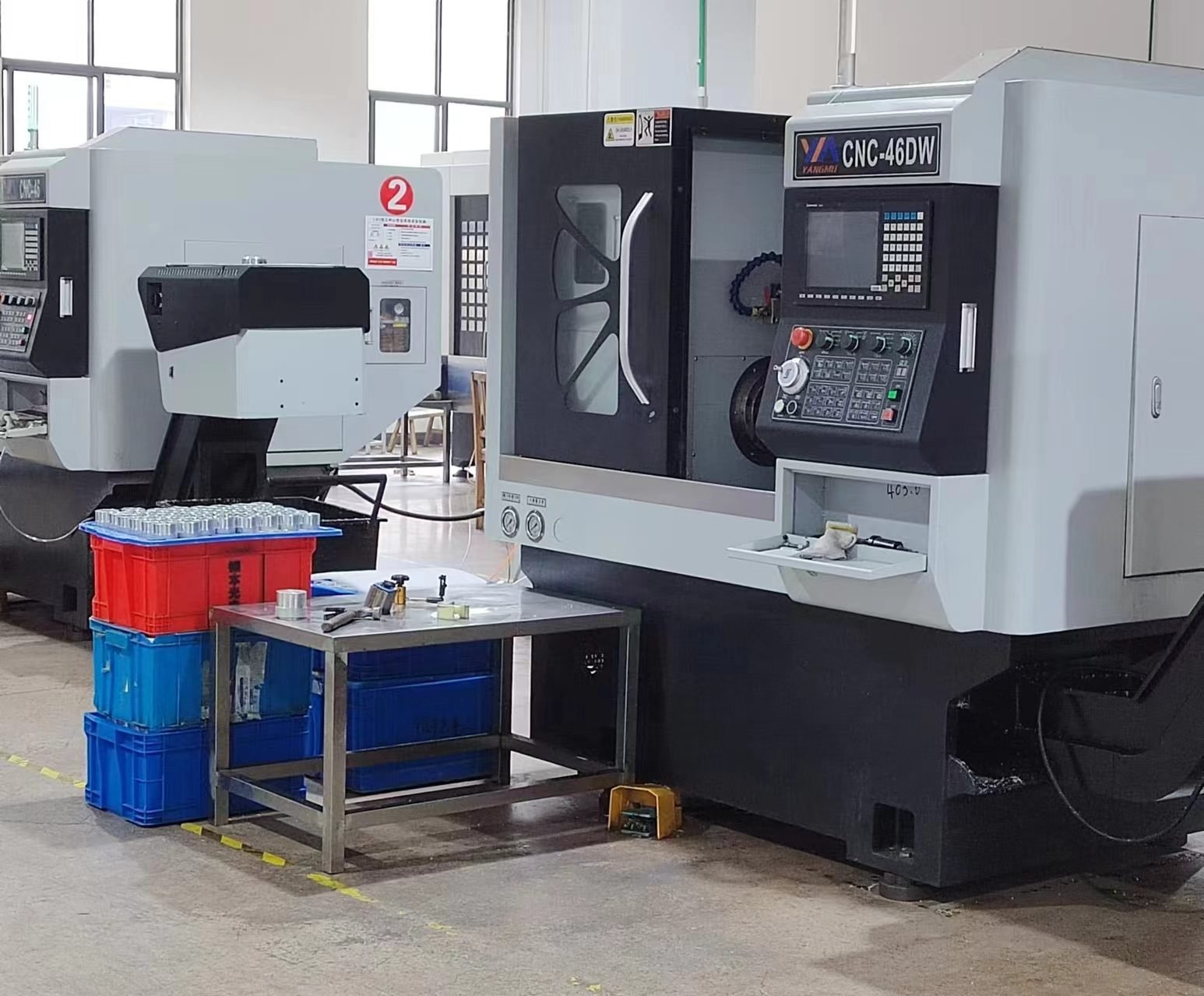
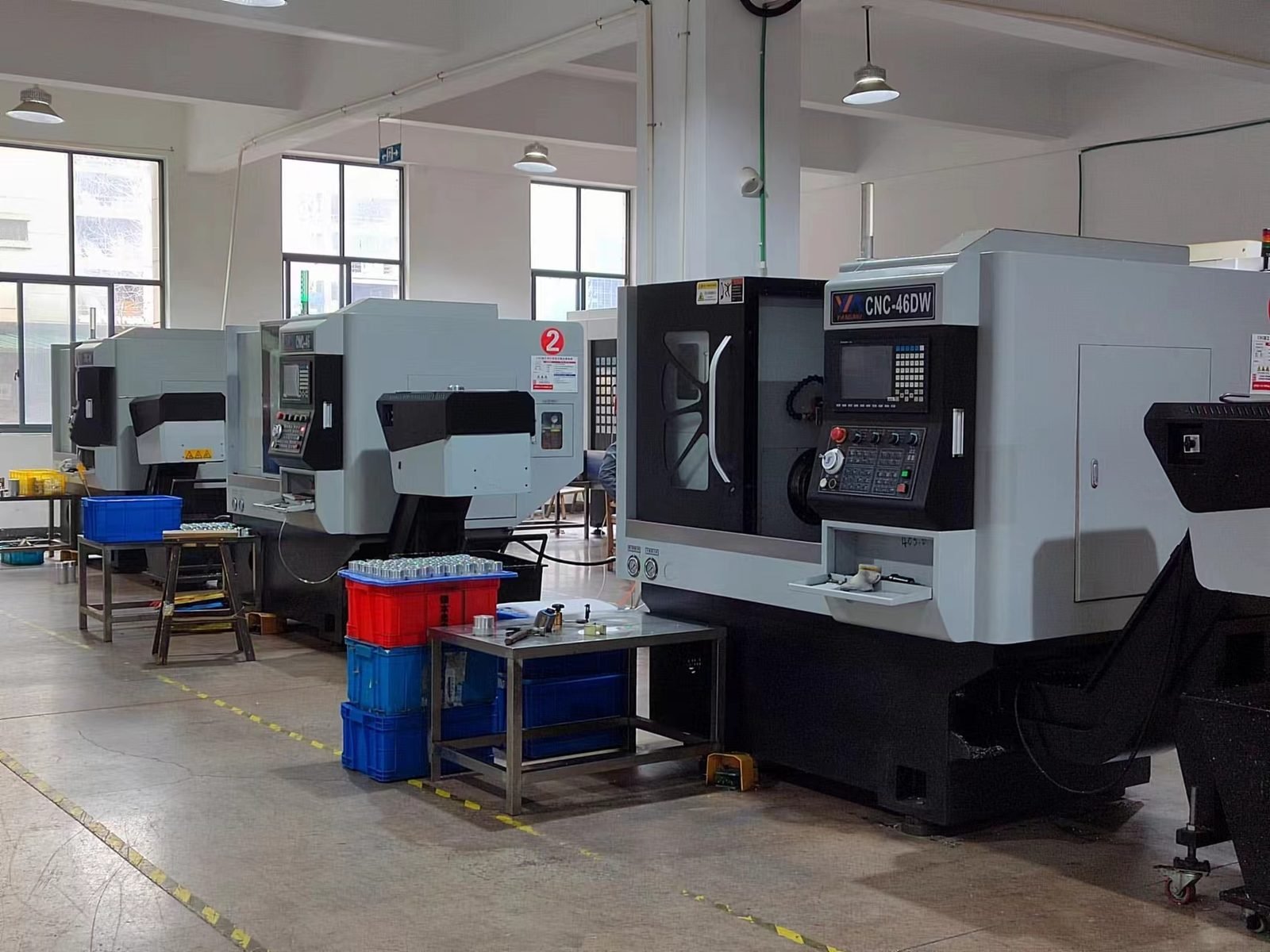
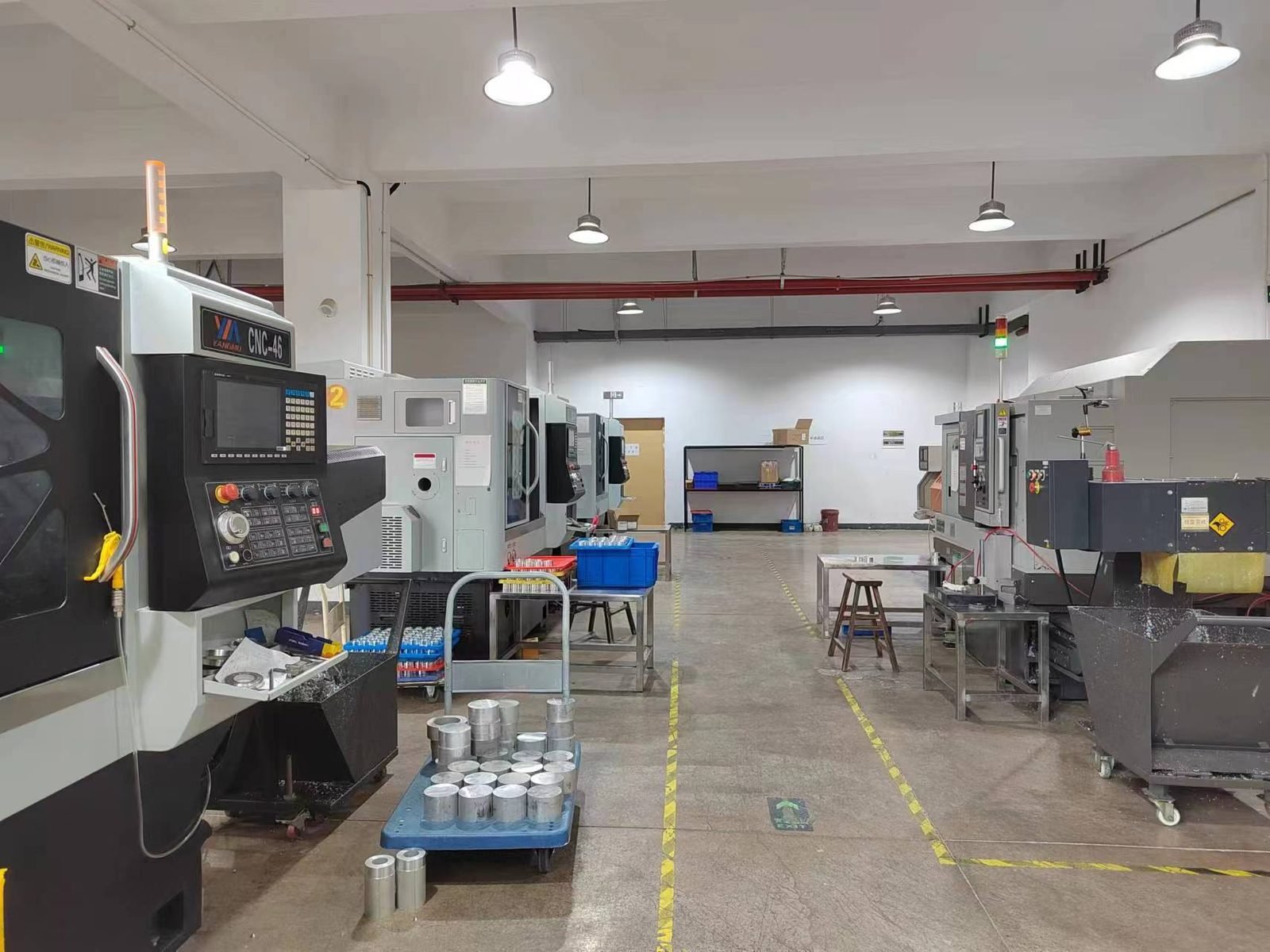
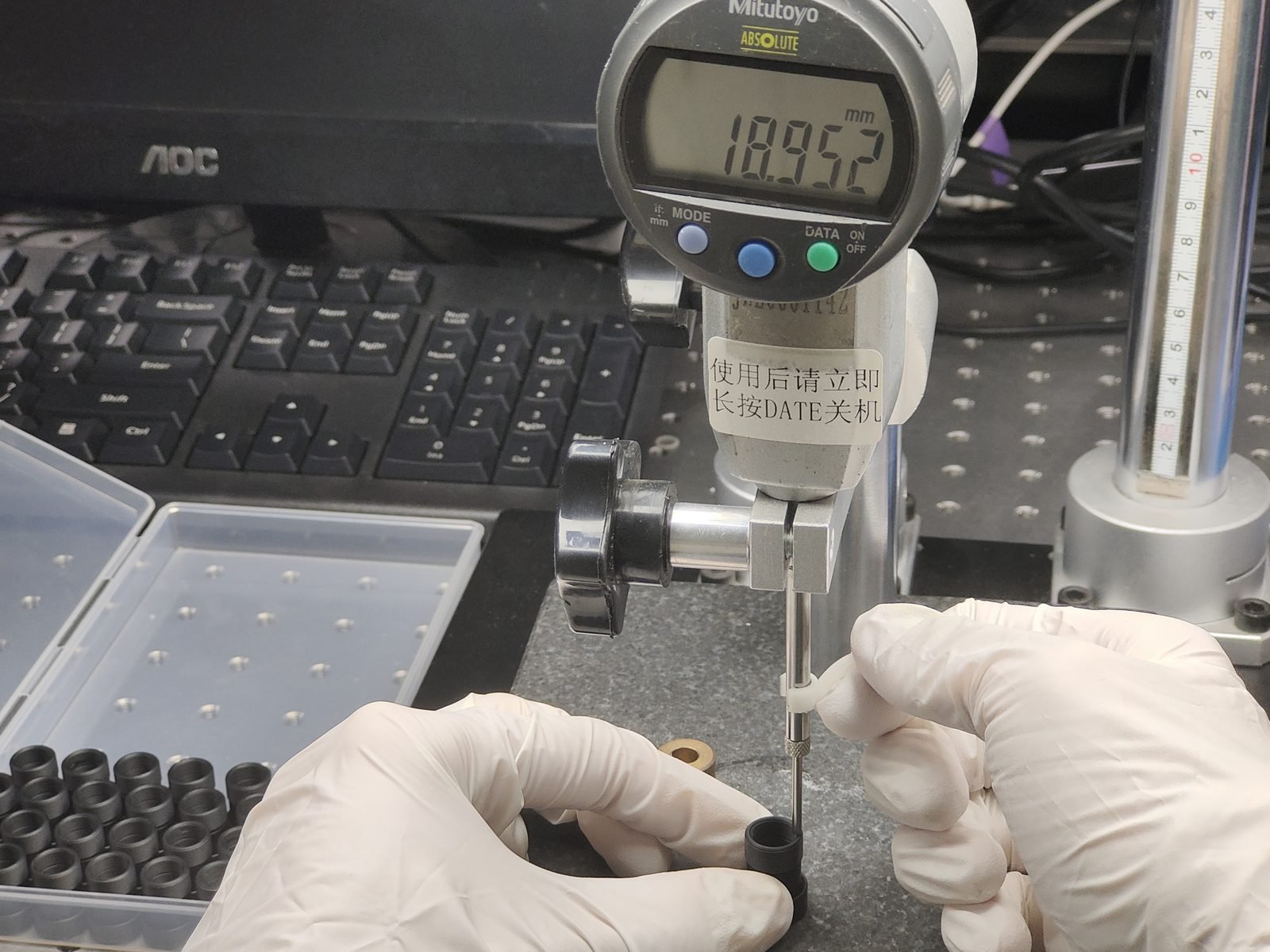
CNC precision machining of lens barrels and optical seats at the Hangzhou factory
Stage 02 · CNC

Precision Machining

Housings, barrels and optical seats machined to tolerances that preserve the lens cell’s alignment budget. Machined seats are what make later 1 μm active alignment meaningful rather than fighting a crooked foundation.

Capacity honesty: current throughput is discussed at quotation with real numbers — about 1,000 lenses per month on the current line, varying by family.

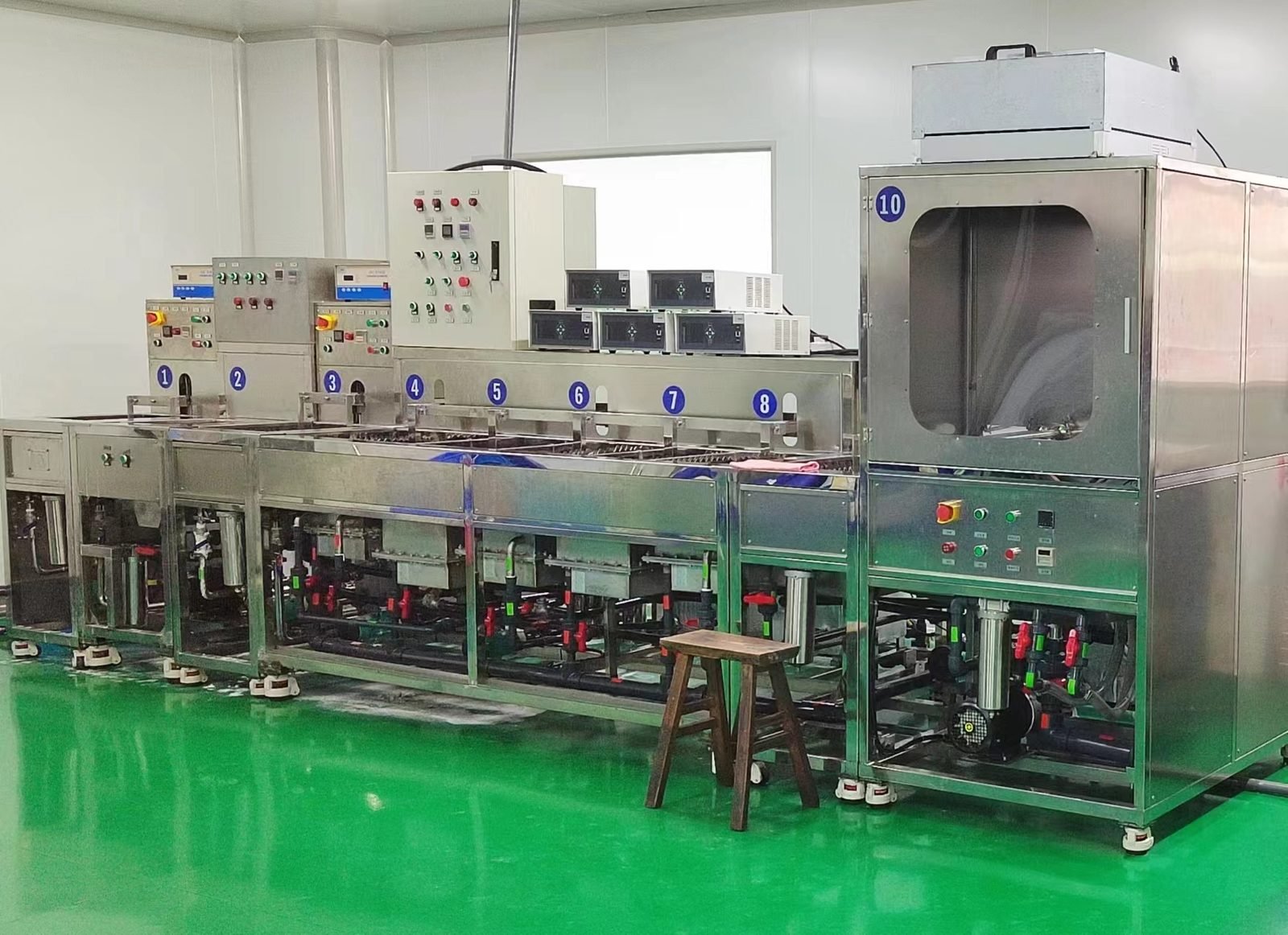
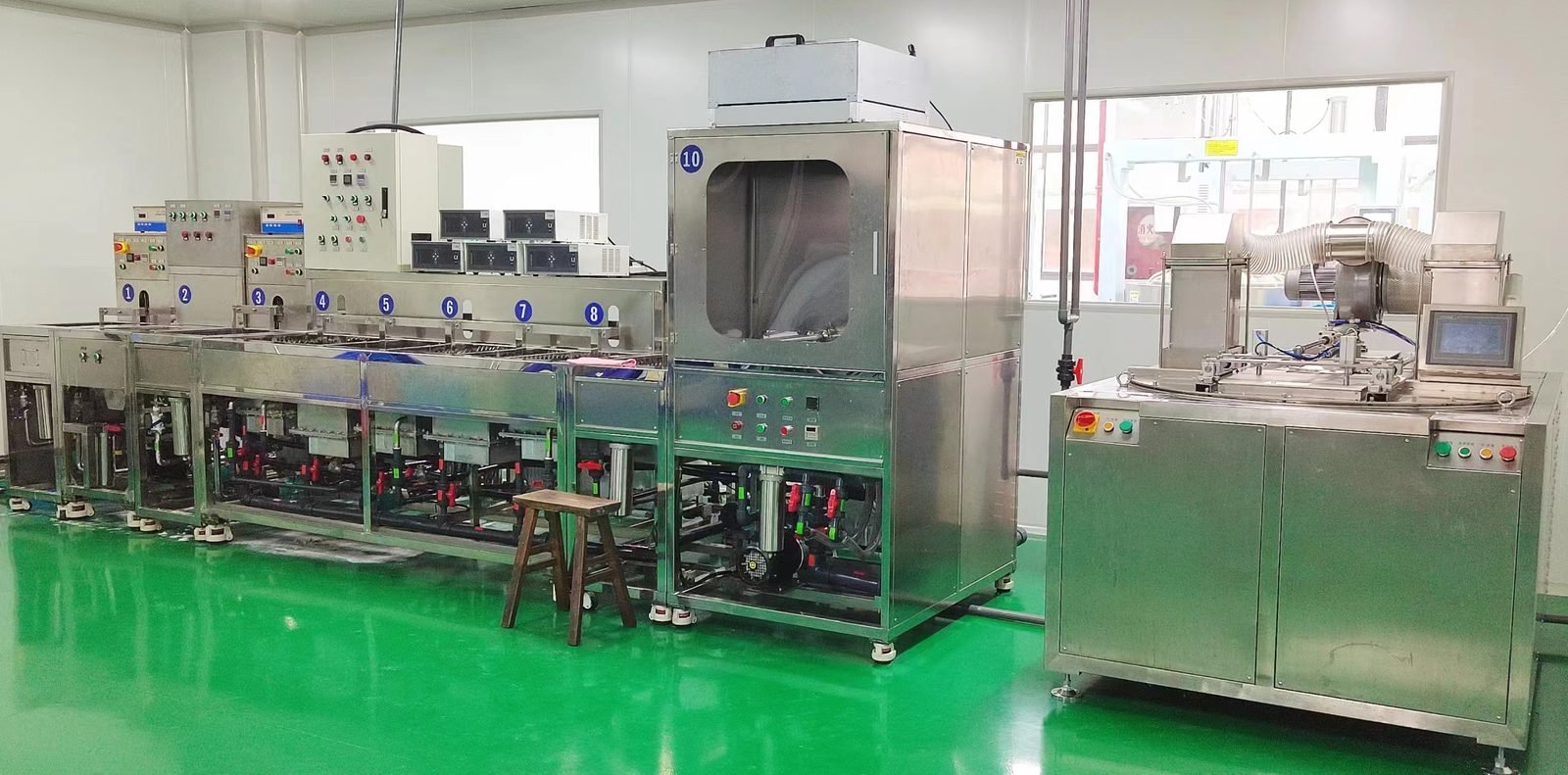
Thin-film coating area on the Lensmind Hangzhou production floor
Stage 03 · coating is a process, not a PO

Thin-Film Coating

Coating runs on-site. Every run is verified by UV-VIS spectrophotometry — transmission, cutoff and curve shape — before elements touch assembly. VIS and NIR dual-band M12 configurations are produced here, not mixed from catalog parts.

Ask any supplier: “Who measures your coating, and can I see the spectrum from my own batch?” We can answer that with your batch number in hand. M12 NIR/VIS + FT/HT focus lock →

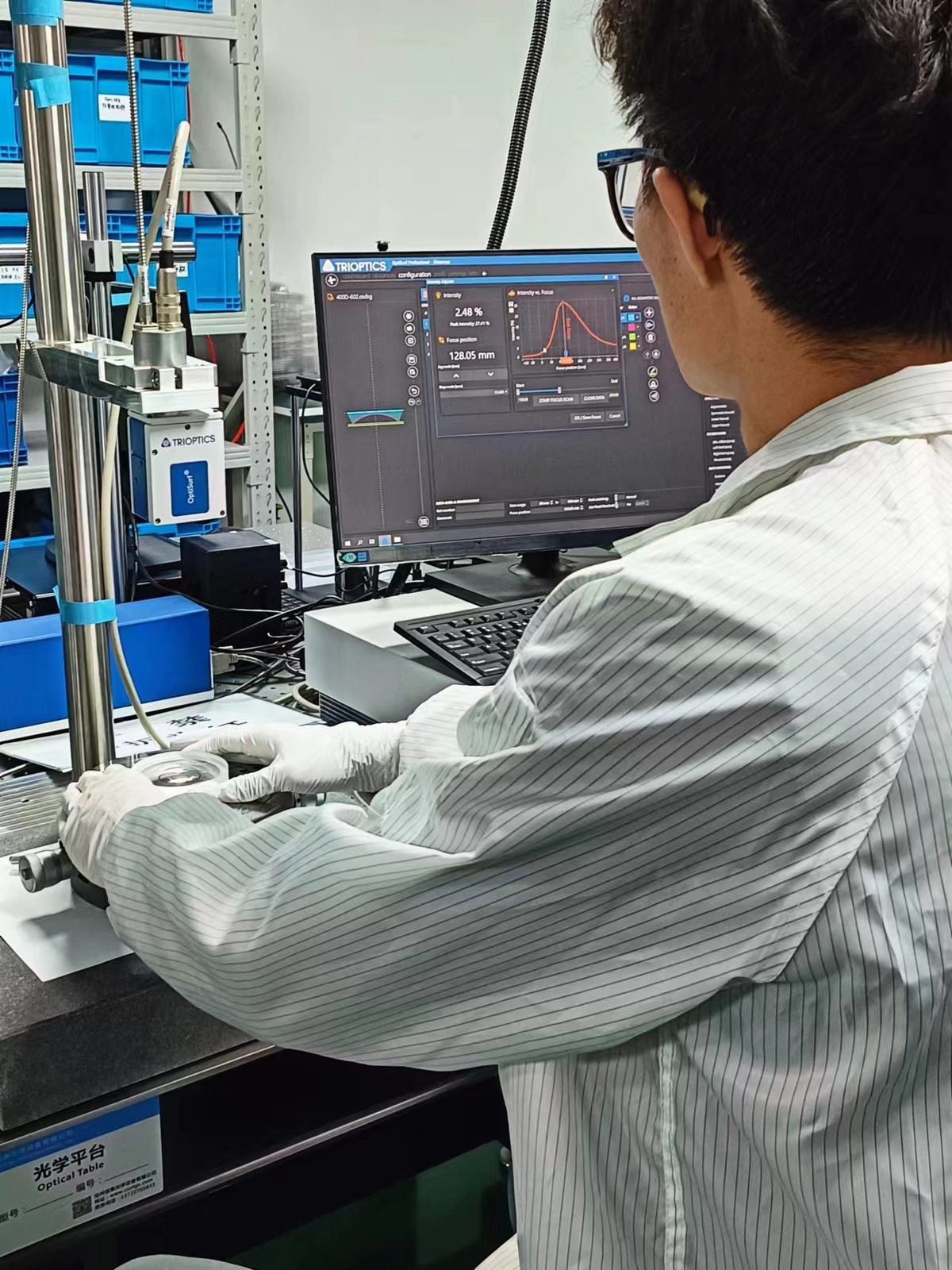
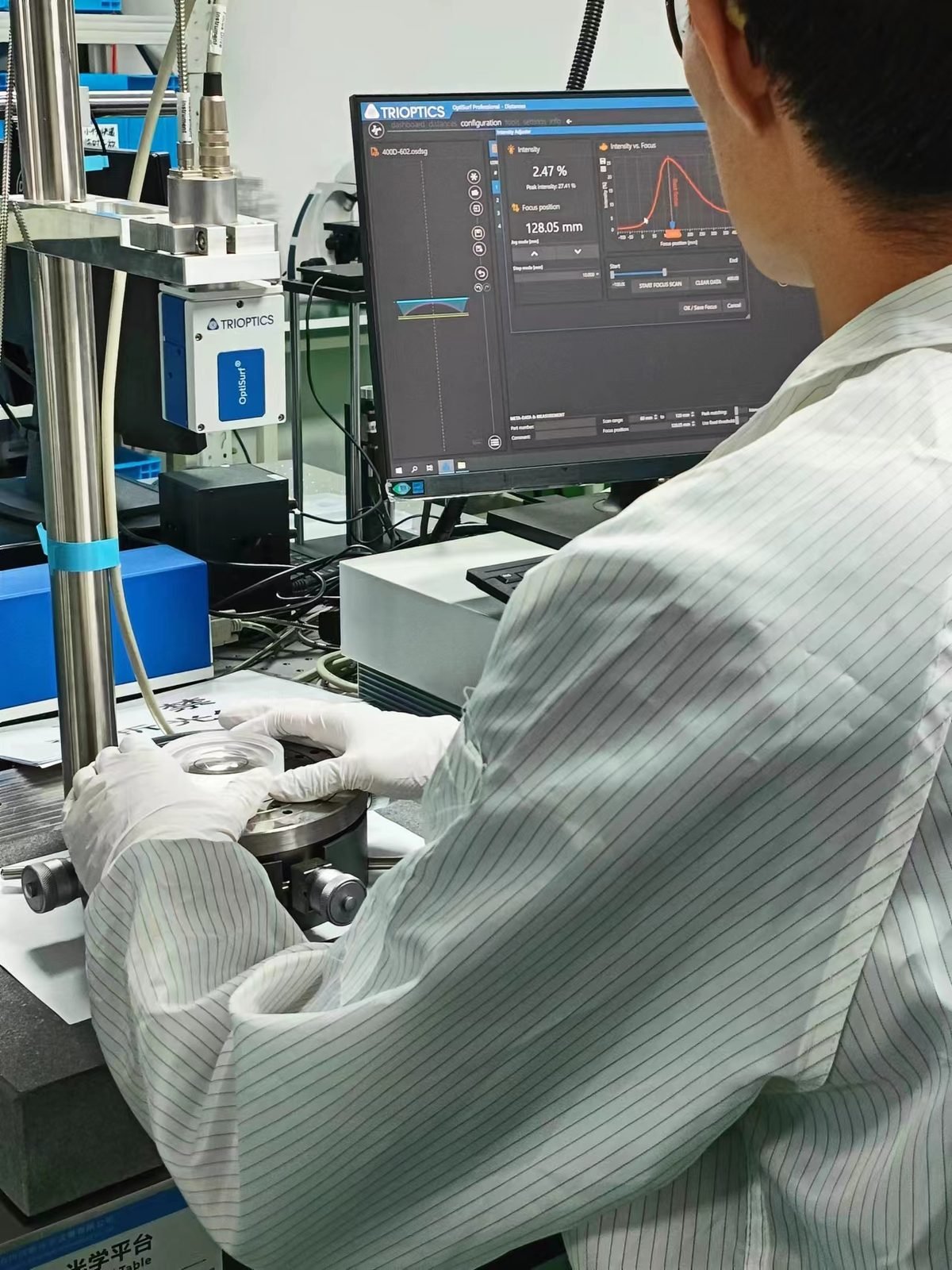
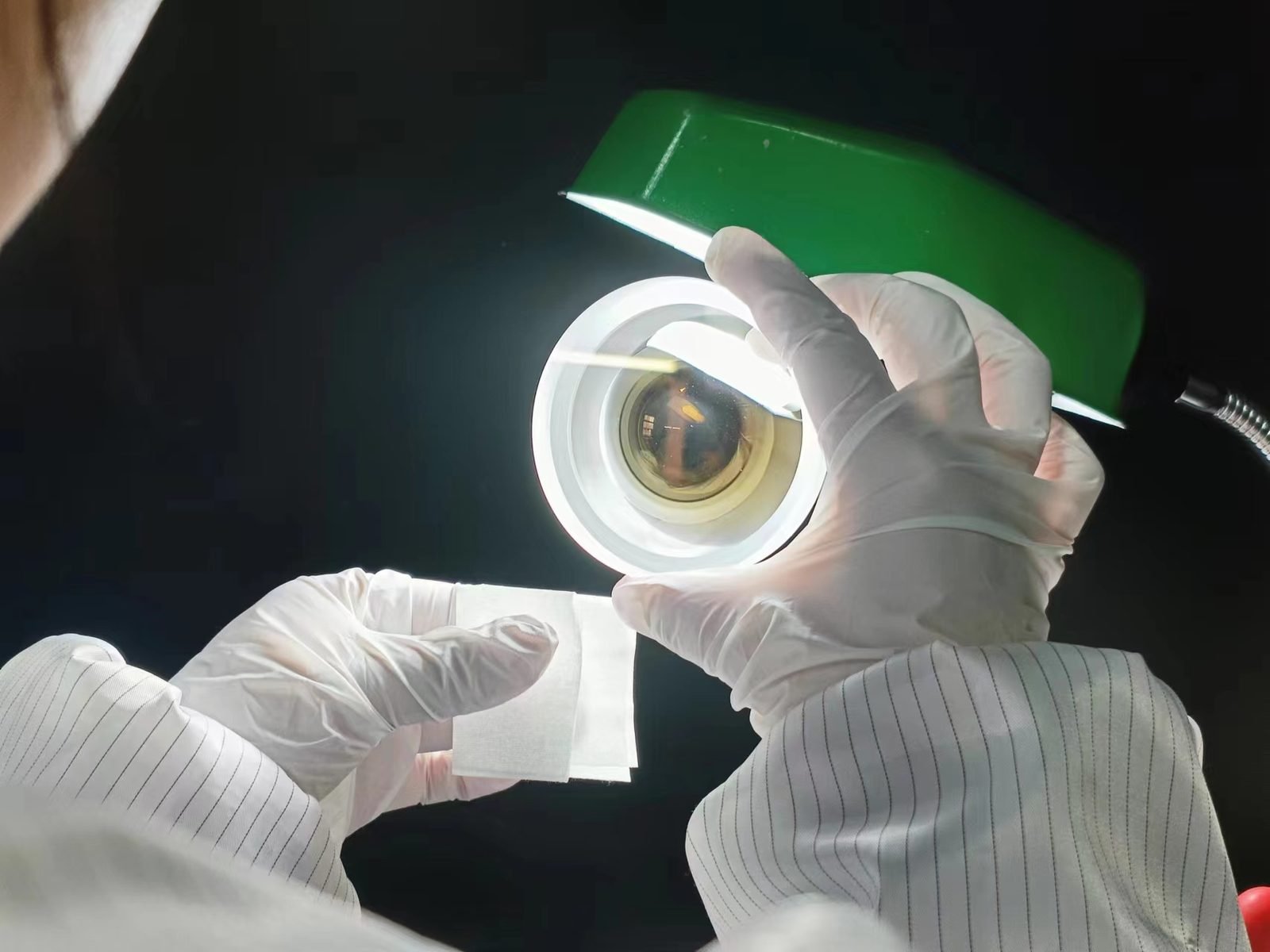
Lensmind engineer measuring an optic on a Trioptics OptiSurf station
Stage 04 · measured while the lens is still open

Cementing & Centration — Trioptics

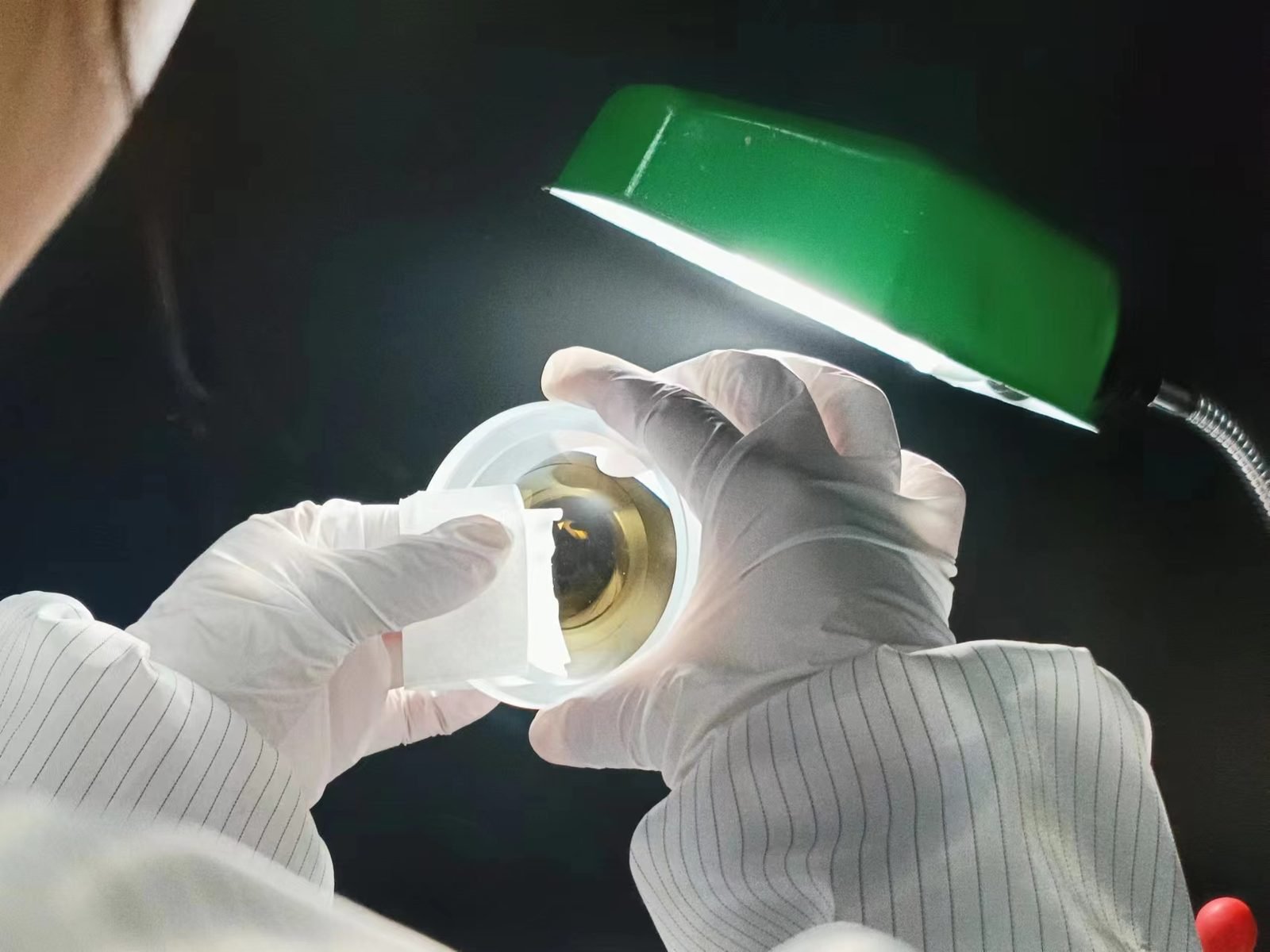
Cemented groups assembled in-house. Element tilt and decenter measured on a Trioptics centration system and monitored with a reflection-type centration meter. Measurement happens while the lens is still open — errors are corrected at the station, not scraped after the barrel is glued shut.

Centration error is the silent killer of MTF. Our FA machine vision lenses hold distortion below 0.05% in part because of this regime. FA machine vision lenses →

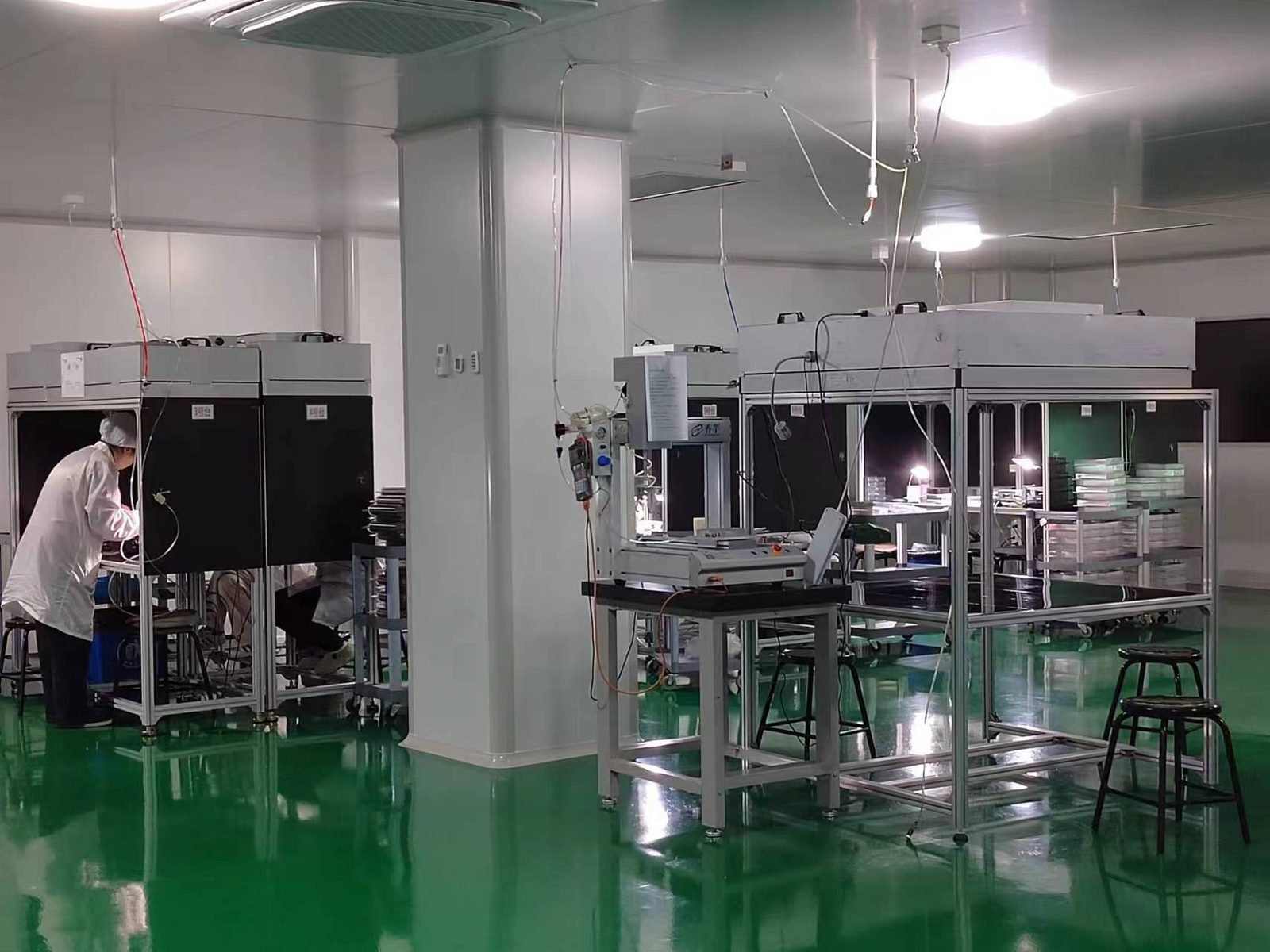
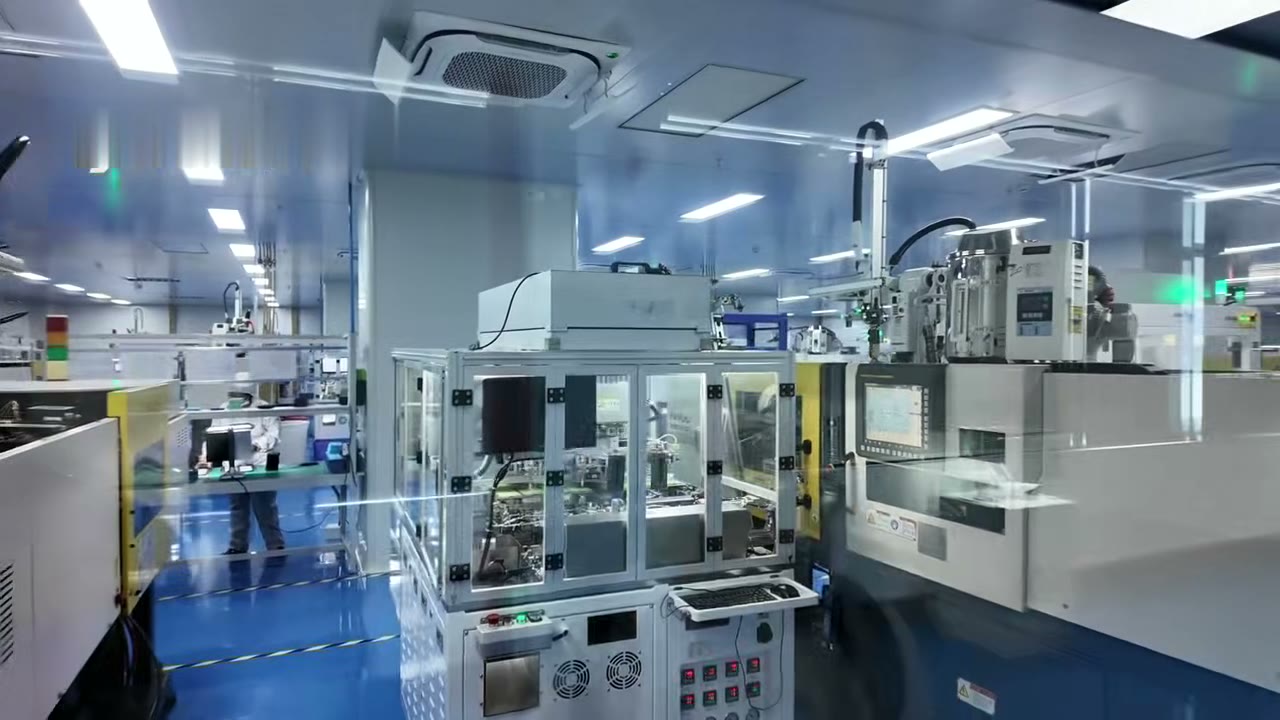
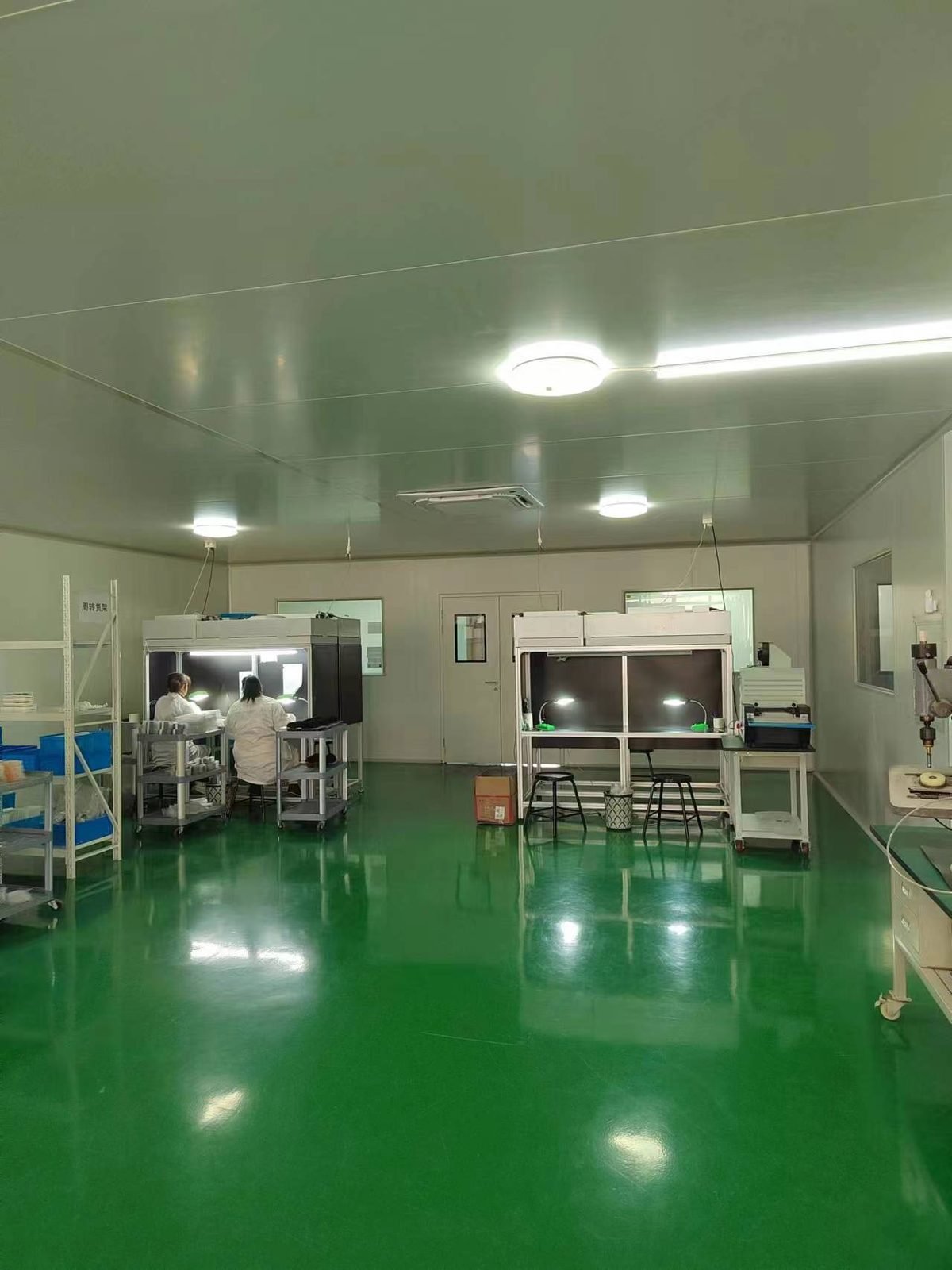
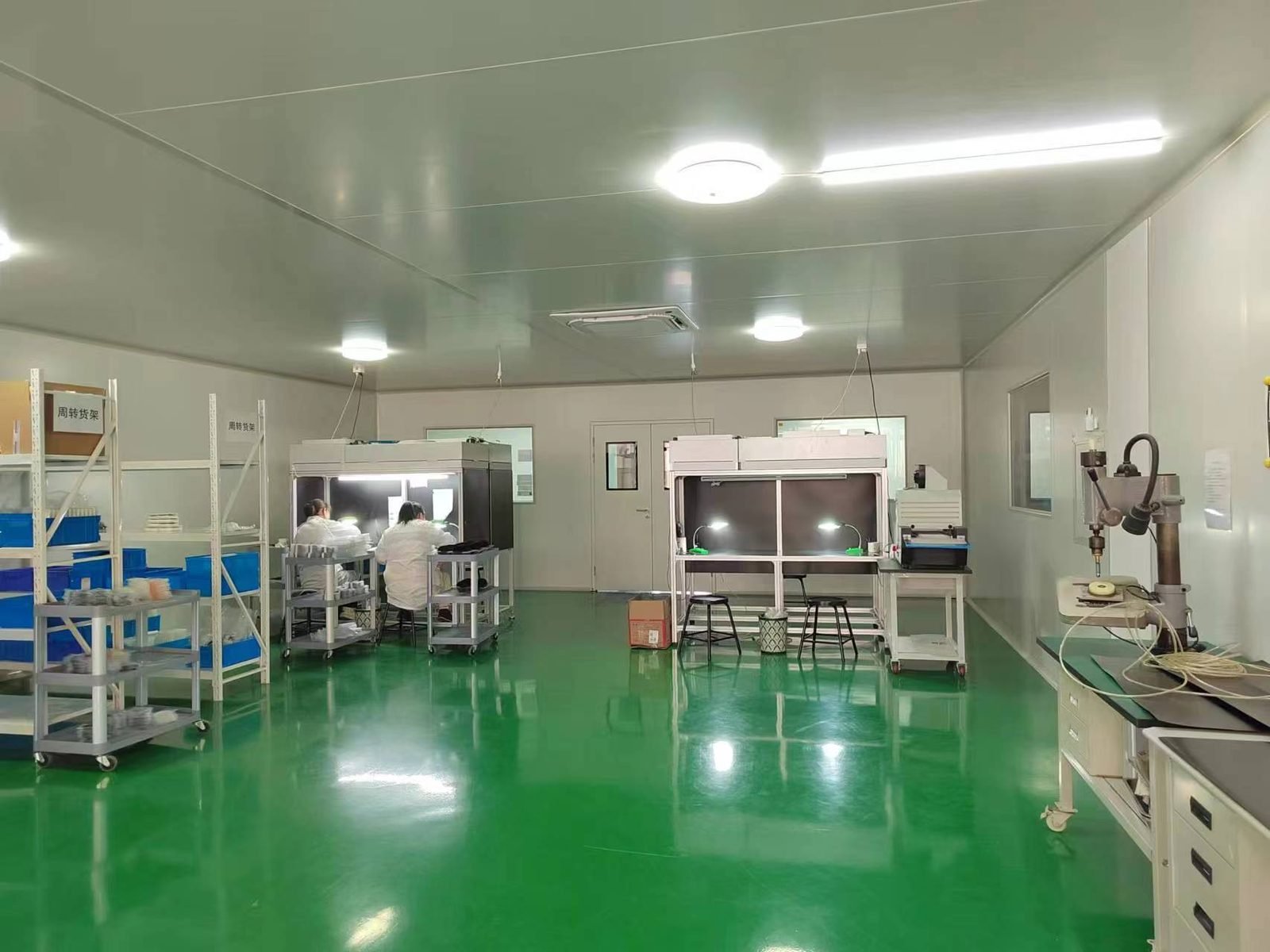
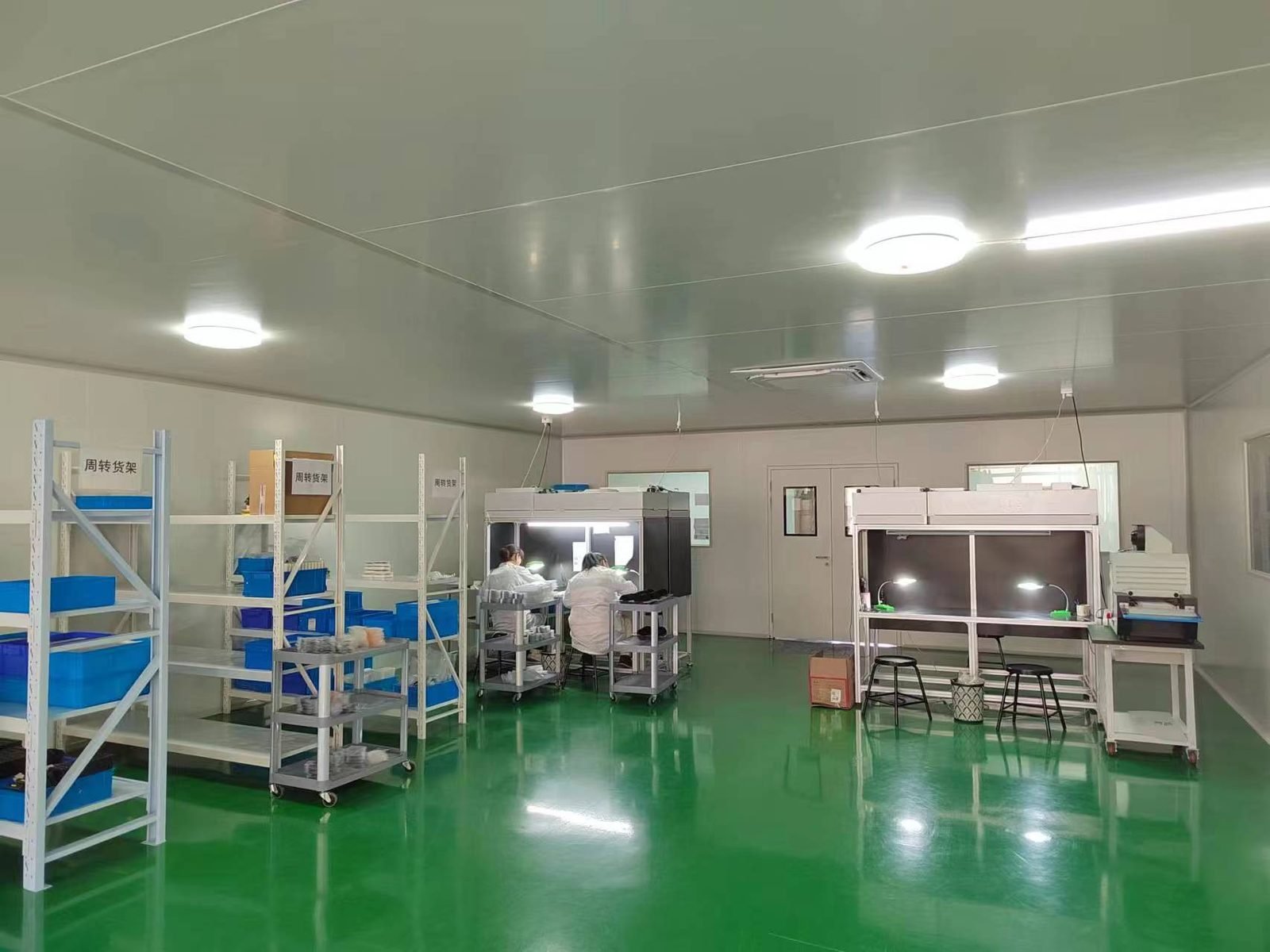
Enclosed precision alignment cell on the Lensmind production floor — 1 μm active alignment
Stage 05 · 1 μm-class active alignment

Cleanroom Assembly & Active Alignment

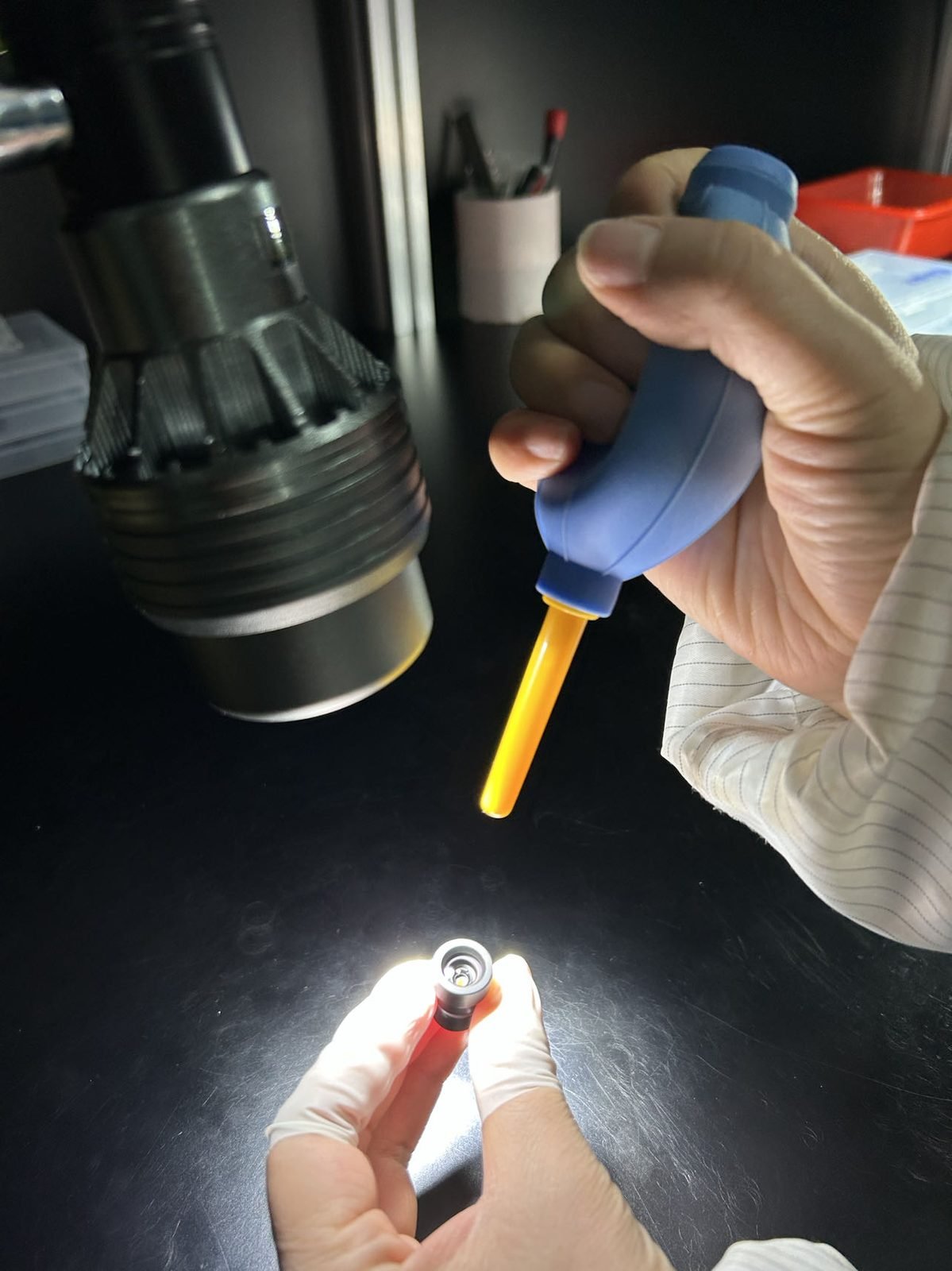
A live optical signal feeds back the stack’s actual axis; each element is repositioned on a precision air-bearing stage until measured performance peaks, then locked. That is the only practical route to OD < 2.0 mm endoscope objectives, and the physical basis of 10K+ batch consistency.

Hermetic packaging in Class 10,000 (ISO Class 7) cells: gas-tight sealing for autoclave cycling on medical builds, and IP67 / IP68 duty on industrial washdown optics. Medical-grade assembly is zoned apart from industrial production. Endoscope optics →

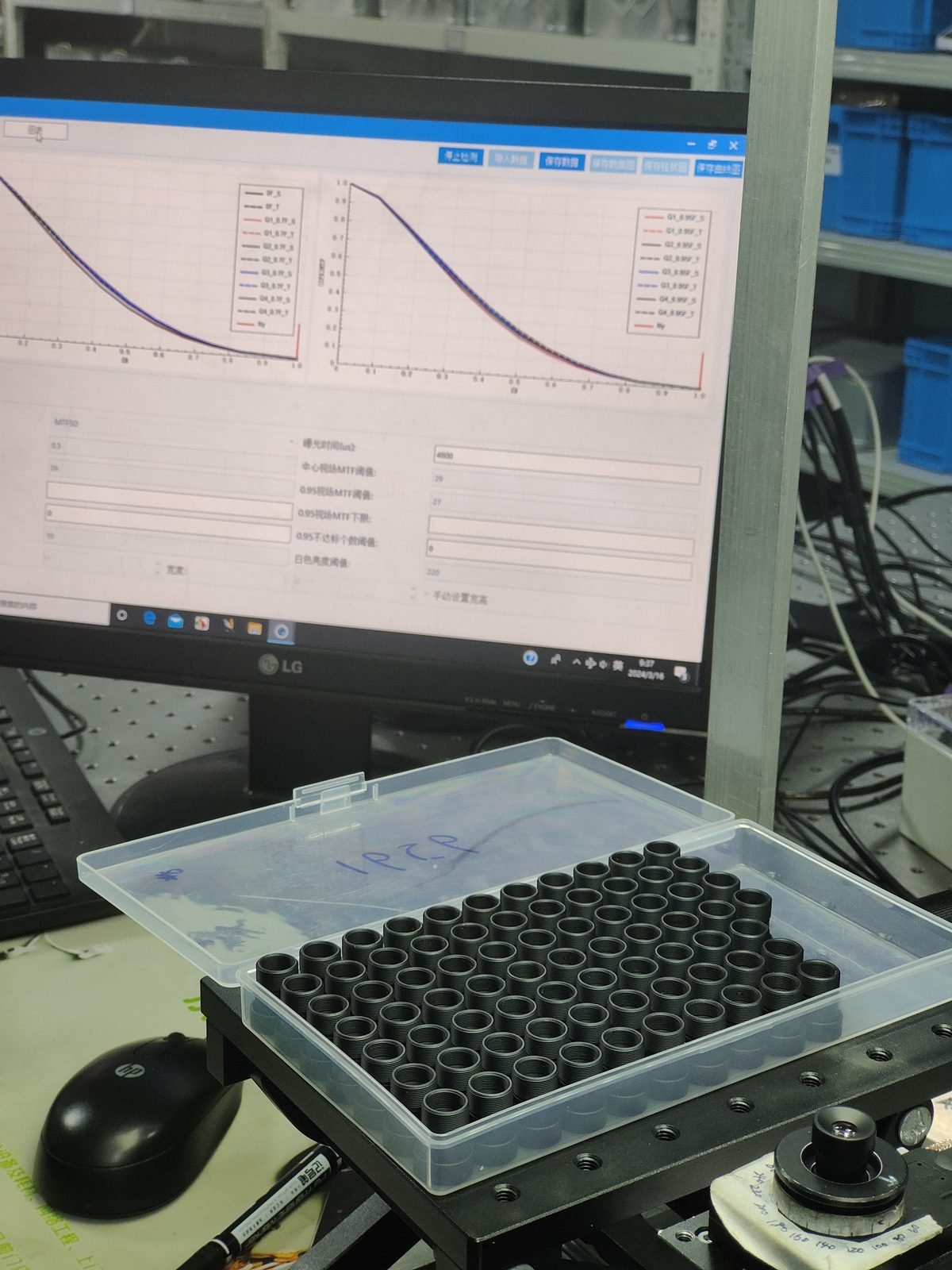
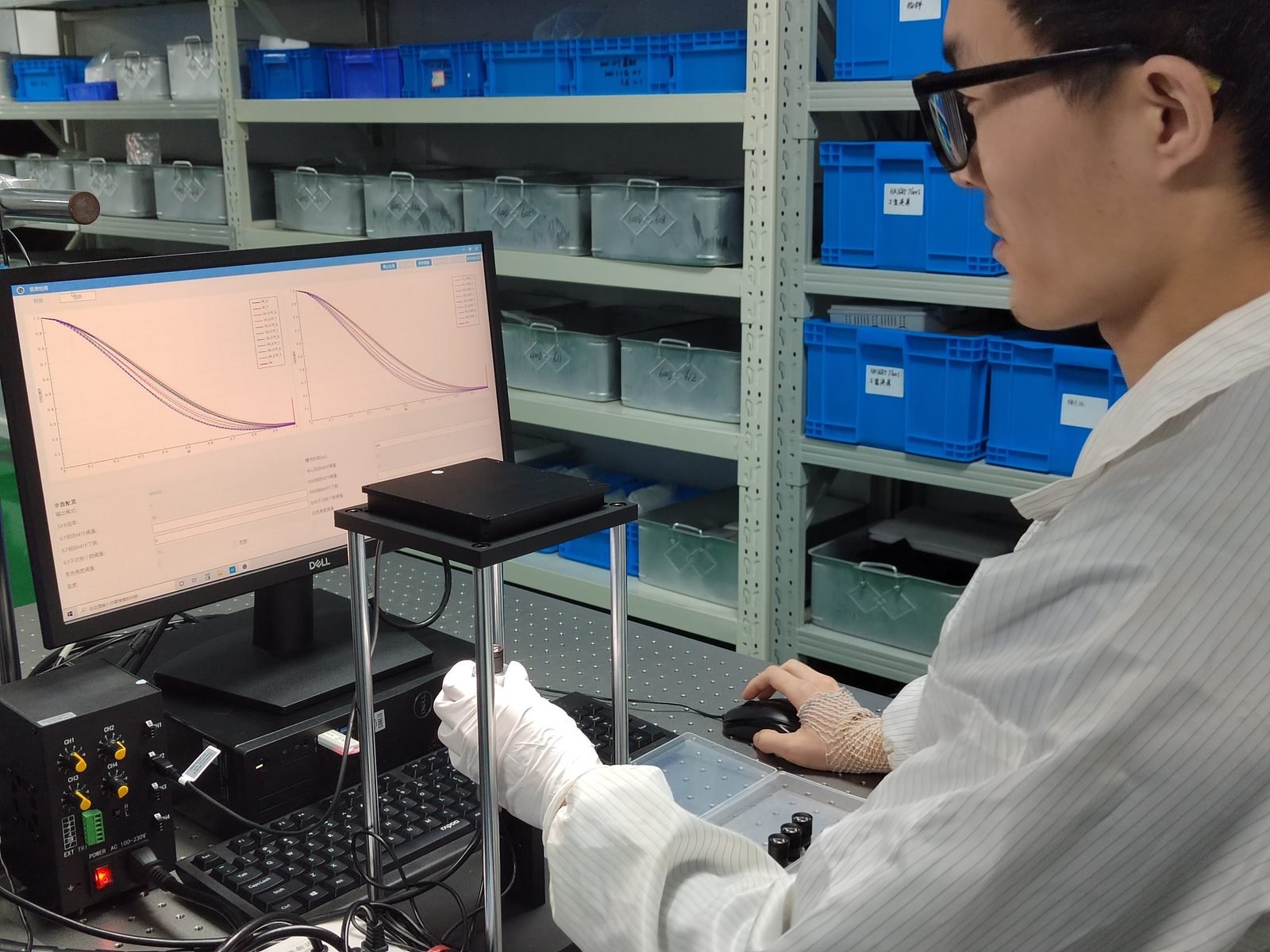
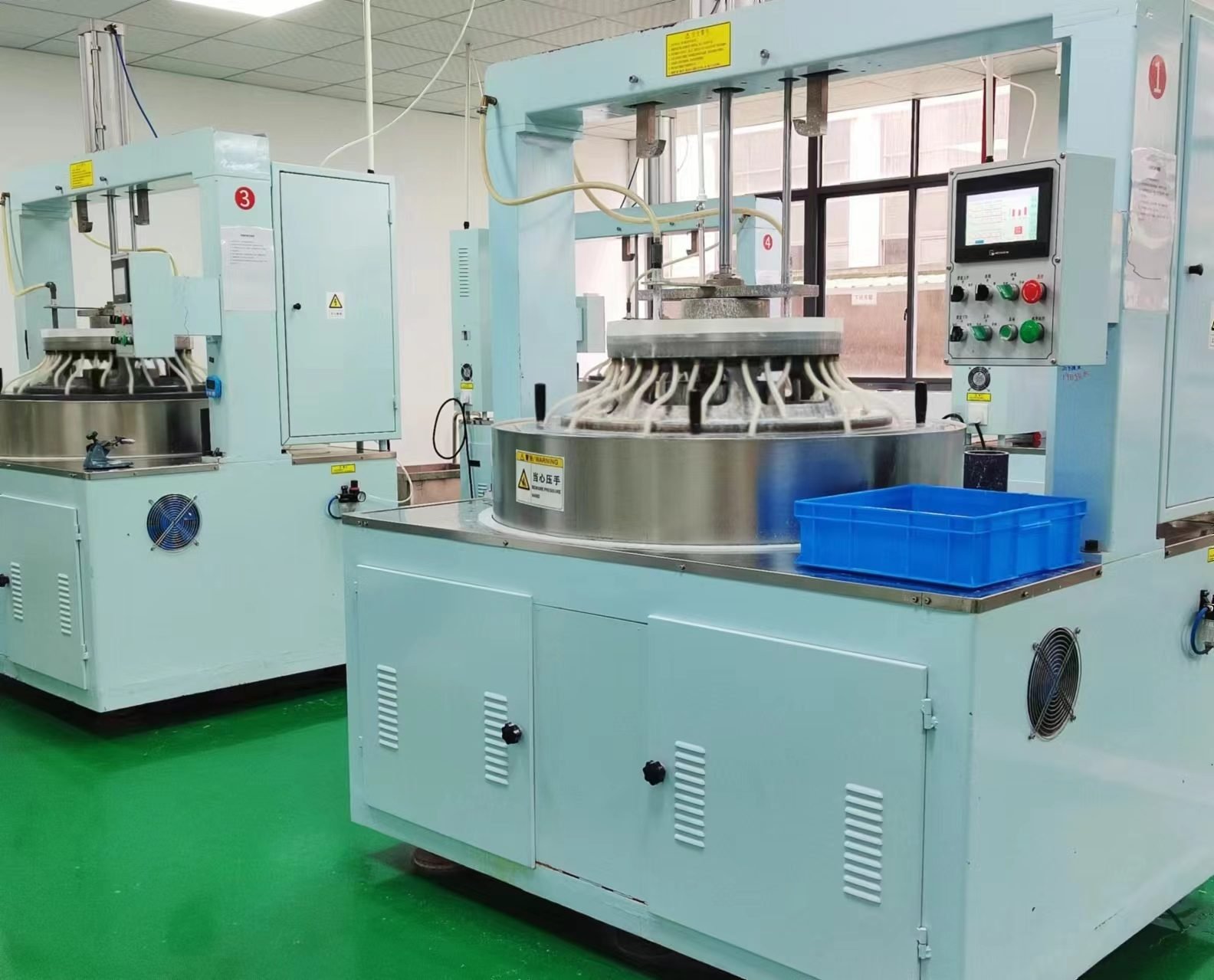
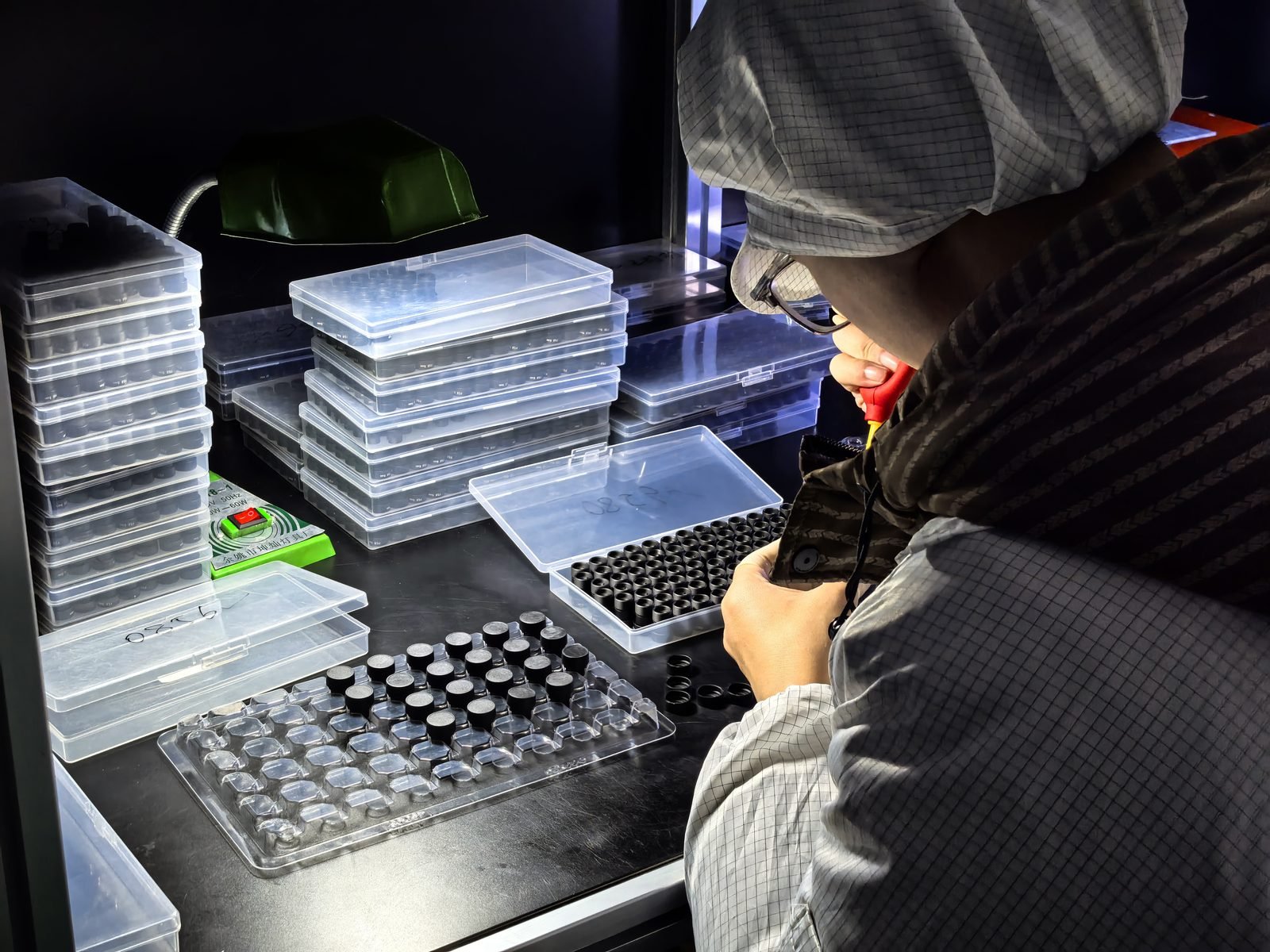
Tray of Lensmind lens barrels on an MTF bench with measured curves on the monitor
Stage 06 · untested batches do not ship

Metrology & Release

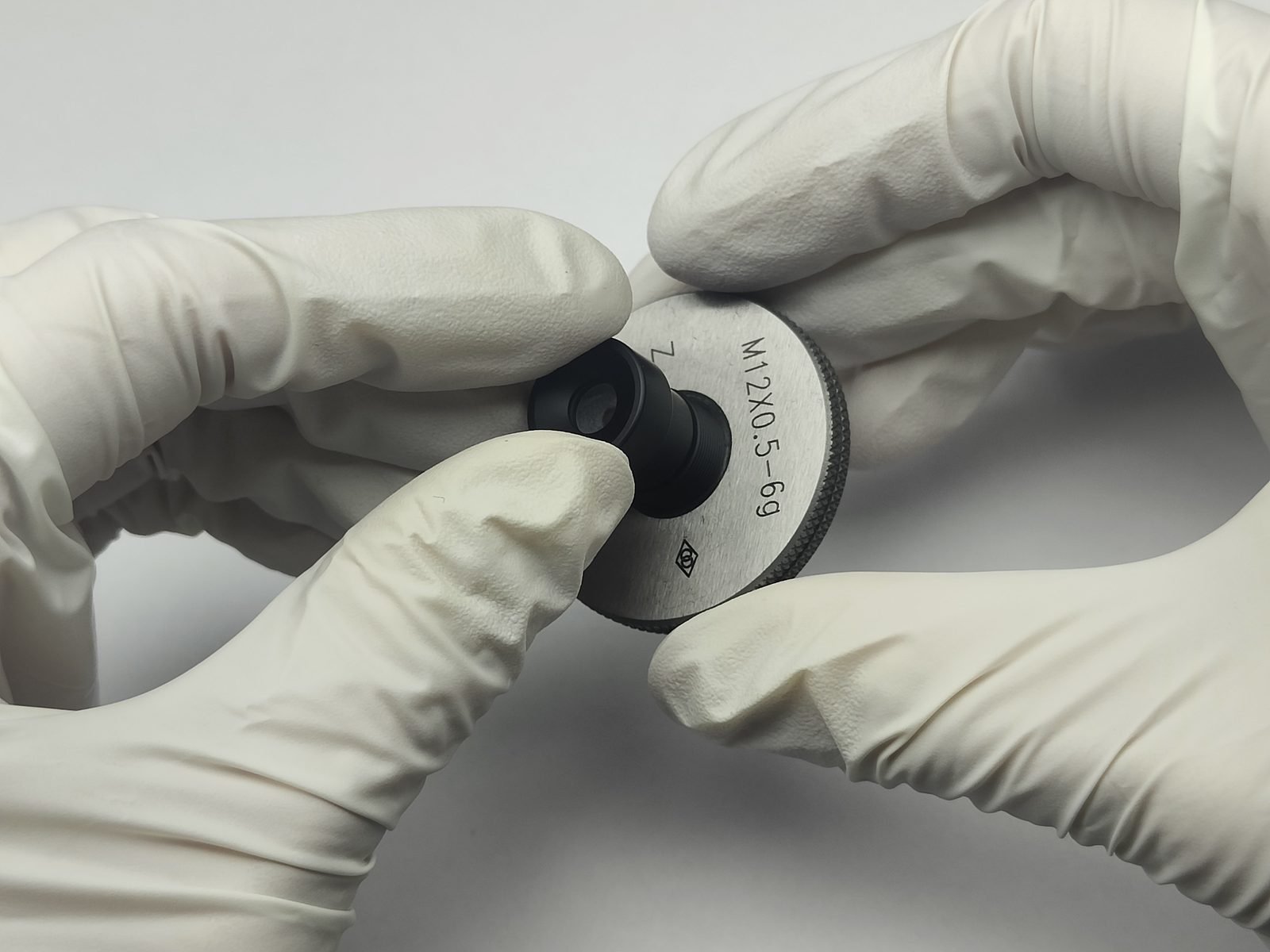
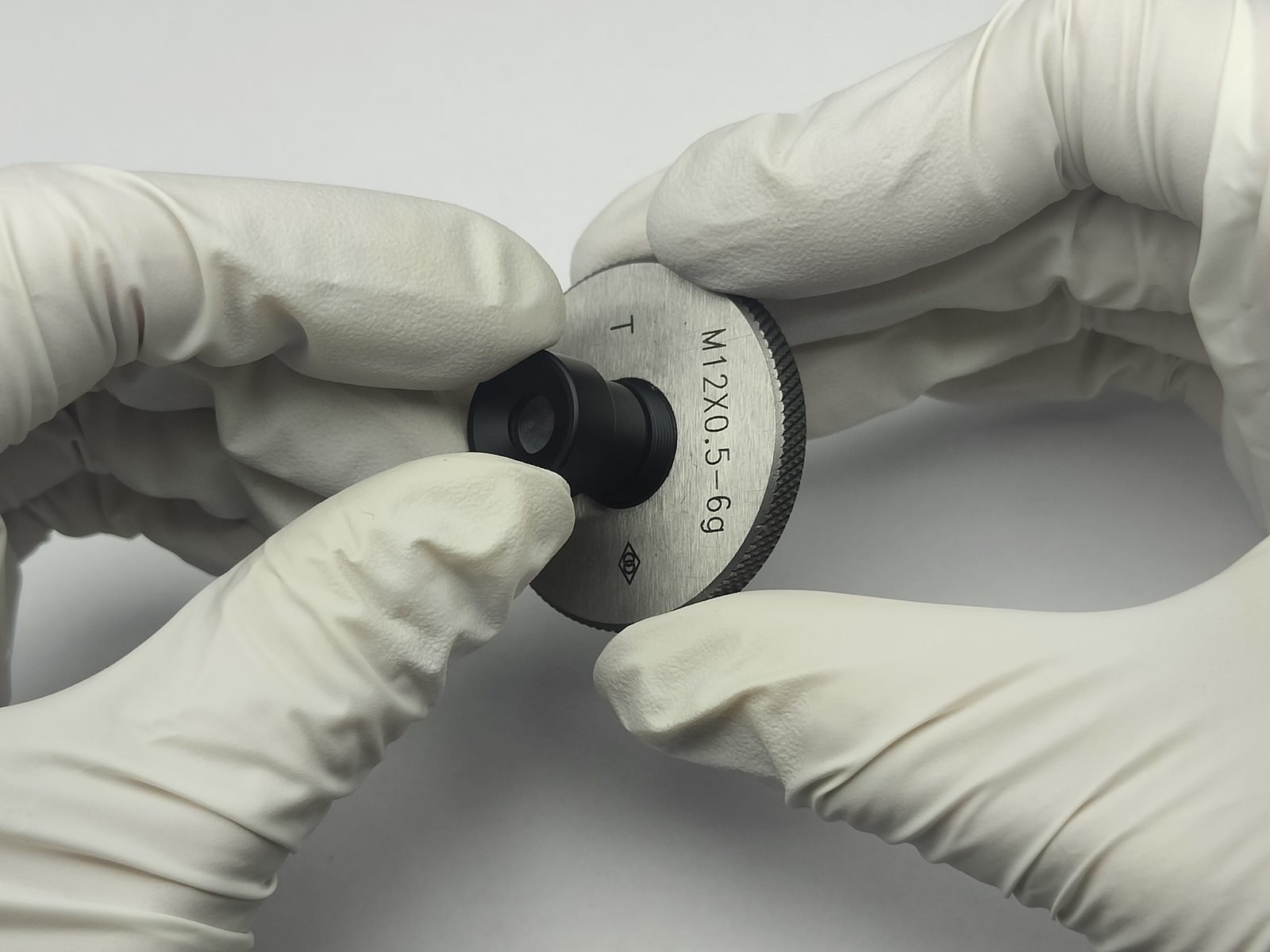
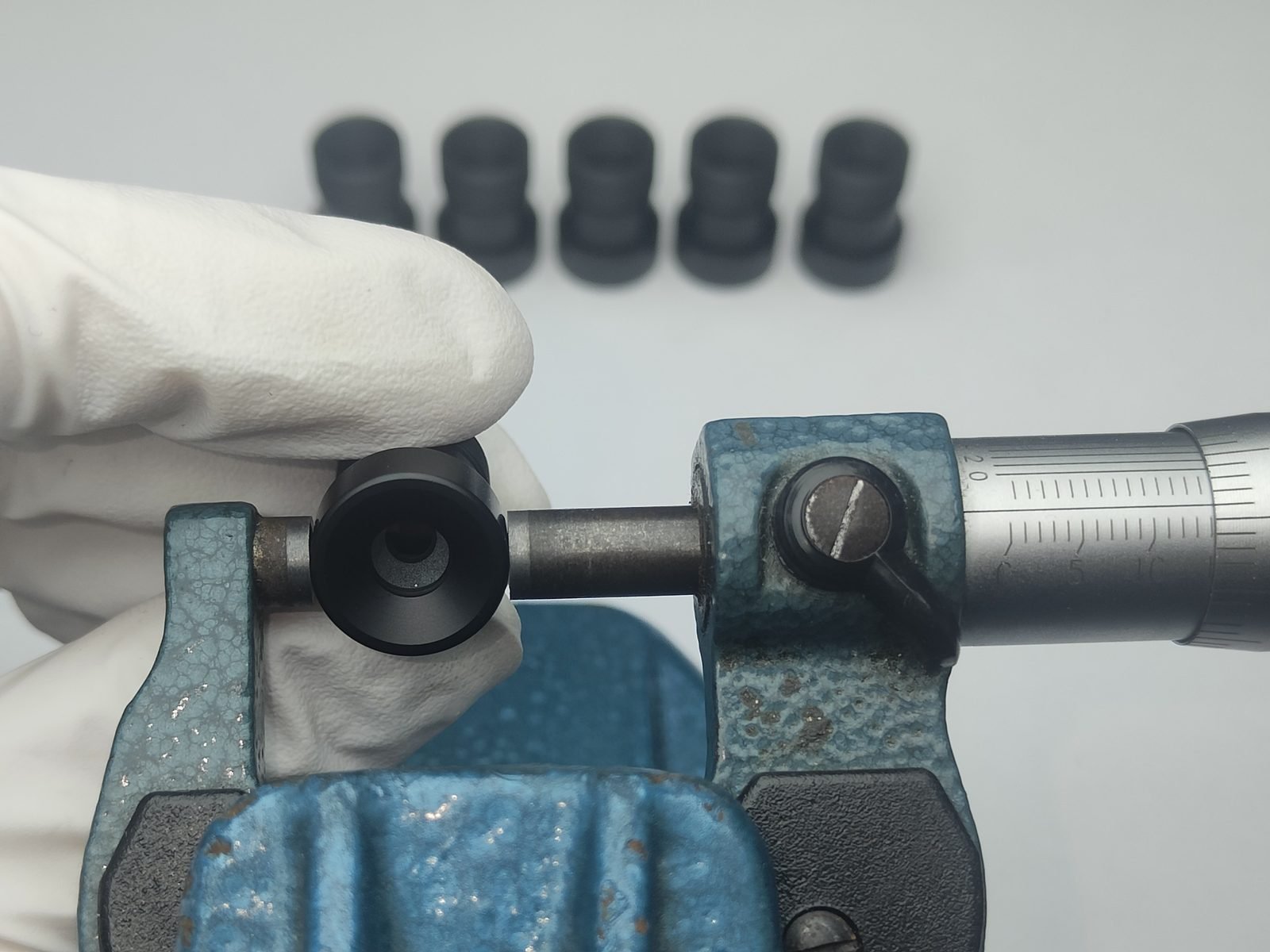
MTF, distortion, BFL, DOF and IP67 / IP68 validation on production instruments. Three mechanisms hold 10K+ unit batches inside the envelope: closed-loop 1 μm active alignment, ISO 9001 sampling and release, and per-batch data that trends before a complaint would. Batch test reports ship with the order — the same volume discipline our founders practiced at CASC-, Hikvision- and Sunny Optical-tier organizations.

Process data and test data share one batch number. See the full test matrix →

01 The line closes — a drift found at MTF traces backward, stage by stage, the same day.

Trioptics CentrationTilt and decenter of elements and cemented groups.
Laser Fizeau InterferometerSurface form and transmitted wavefront.
Reflection Centration MeterGroup coaxiality while the lens is still open.
Air-Bearing PlatformSub-micron-stable reference for 1 μm AA.
UV-VIS SpectrophotometerCoating transmission and cutoff per batch.
Collimation SystemReference axis for focal length, BFL and MTF.
Factory & Manufacturing FAQ

What Buyers Ask Before Auditing a Chinese Optics Factory

Which production steps do you run in-house, and which are outsourced?
The core optical chain is fully in-house: optical design, precision machining, coating, cementing, centration, cleanroom assembly, 1 μm-class active alignment and final metrology. No core optical step is outsourced — that is what keeps tolerance stack-up and batch consistency under one accountable team.
Can we audit the factory before placing volume orders?
Yes. On-site audits at our Hangzhou factory and scheduled video tours are both welcome; the process-zoned gallery above is your pre-visit screening, and third-party pre-shipment inspection can be arranged. We would rather be audited than flattered.
Where is the factory located?
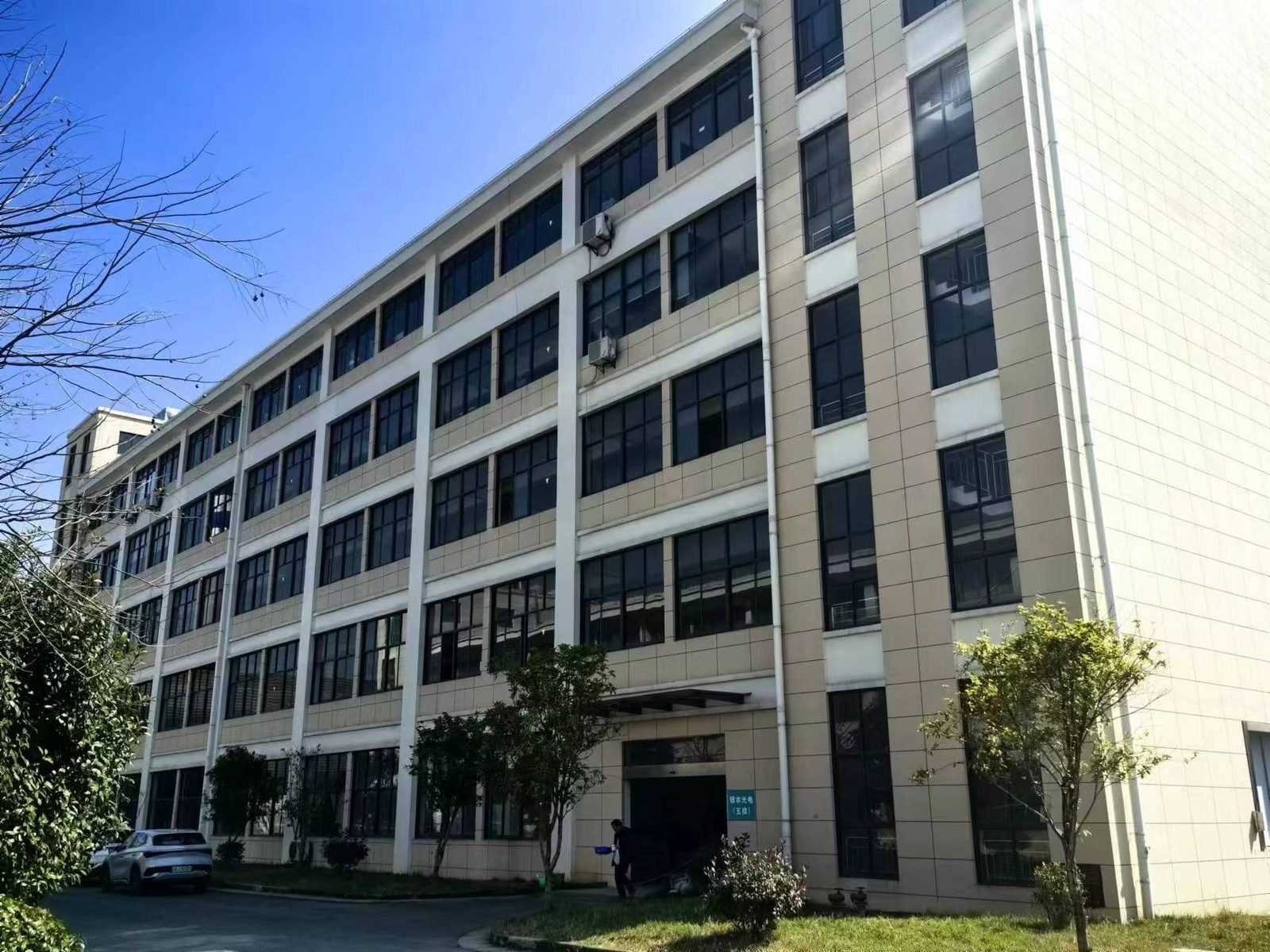
Our factory is at Building 3, 2F, No. 1197 Tangcheng Street, Qingshanhu, Lin’an District, Hangzhou, Zhejiang — machining, coating, assembly and metrology all in-house on one line. Our office is at Room 1508, No. 23, Chuangfu Building, Gangyi Road, Torch Development Zone, Zhongshan, Guangdong. One team, one quality system across both sites.
What is 1 μm-class active alignment, and why does it matter?
During assembly, a live optical signal feeds back the stack’s actual axis; each element is repositioned on an air-bearing stage until measured performance peaks, then locked. It turns assembly from passive tolerance accumulation into closed-loop error removal — and it is the only practical route to sub-2 mm endoscope objectives.
Is coating done in-house, and how is it verified?
Yes, on our own line. Every coating batch is verified on the UV-VIS spectrophotometer — transmission level, cutoff and curve shape — before elements are released to assembly. Your batch’s spectrum can be pulled by batch number.
Do you handle lens cementing and centration in-house?
Yes. Cemented groups are assembled in-house, and centration is measured on the Trioptics system plus a reflection-type centration meter while the lens is still open, so tilt and decenter are corrected at the station — not scraped after final test.
How do you seal medical endoscope optics?
With hermetic packaging in controlled-cleanliness cells: gas-tight sealing blocks moisture and contaminant ingress, and the assemblies are validated to survive repeated autoclave sterilization cycles with post-cycle re-testing of optical performance and sealing.
What assembly cleanliness level do you maintain?
Medical and harsh-environment optics are assembled in a Class 10,000 (ISO Class 7 equivalent) cleanroom zoned apart from industrial production.
How do you keep 10K+ unit batches consistent?
Closed-loop active alignment (same measured criterion for every unit), ISO 9001 sampling and batch release, and per-batch data archiving that catches drift as a trend. The full test matrix on the Quality Assurance page →
What equipment will we see during a factory tour?
The Trioptics centration system, laser Fizeau interferometer, reflection-type centration meter, precision air-bearing stage, UV-VIS spectrophotometer and collimation system — each with its measurement duty listed in the Equipment strip. The equipment list PDF is available on request.
What is your monthly production capacity?
About 1,000 lenses per month on the current line, varying by product family and complexity – capacity for a specific program is confirmed at quotation.
What are your lead times for prototype and repeat orders?
prototype-to-mass-production and repeat-order schedules are confirmed per project at quotation. Payment: 50% advance + 50% before shipment; NDA before drawings move; tooling stored free for 5 years.
Do you offer video factory tours for overseas buyers?

Yes — a guided walkthrough with the engineers who run the line, questions answered live on the floor. Book from the contact page →
See It Yourself

Photos Convince. A Factory Tour Settles It.

Book a walkthrough of the line that will build your lenses — in person in Hangzhou, or as a guided video call with the engineers who run it.