Requirement & Spec Review
You provide a target image, sample, drawing, or partial spec plus sensor and volume. We return a written feasibility and price band the same week — sensor match, optical budget, and a number your internal approval can use.
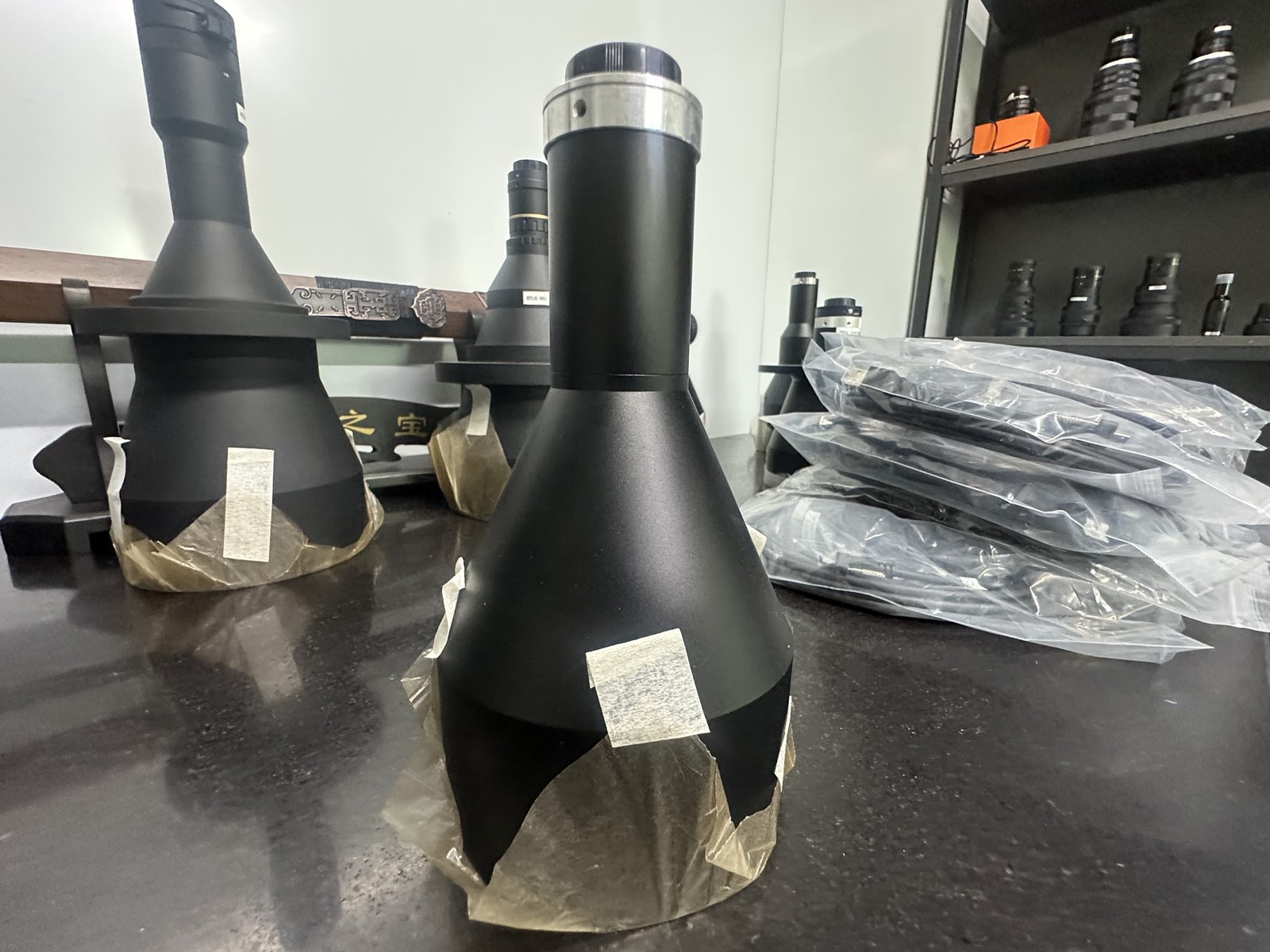
Reverse engineering and no-drawing reproduction, optical-mechanical co-design under one roof — from a structured spec review to Zemax-level design with tolerance analysis, and mass production on a per-project confirmed schedule.
Custom optics projects fail in the gaps between stages — a design that ignores tolerances, a prototype without data, a pilot that never proves process capability. Our five-step workflow closes every gap with a deliverable you can hold.
You provide a target image, sample, drawing, or partial spec plus sensor and volume. We return a written feasibility and price band the same week — sensor match, optical budget, and a number your internal approval can use.
Optical lens design that survives manufacturing, not just the screen: Zemax-level prescription, MTF simulation, and tolerance analysis so the production lens still meets spec.
First articles built on production paths. You receive samples plus measured MTF, distortion, BFL and DOF — acceptance is a checklist, not an opinion.
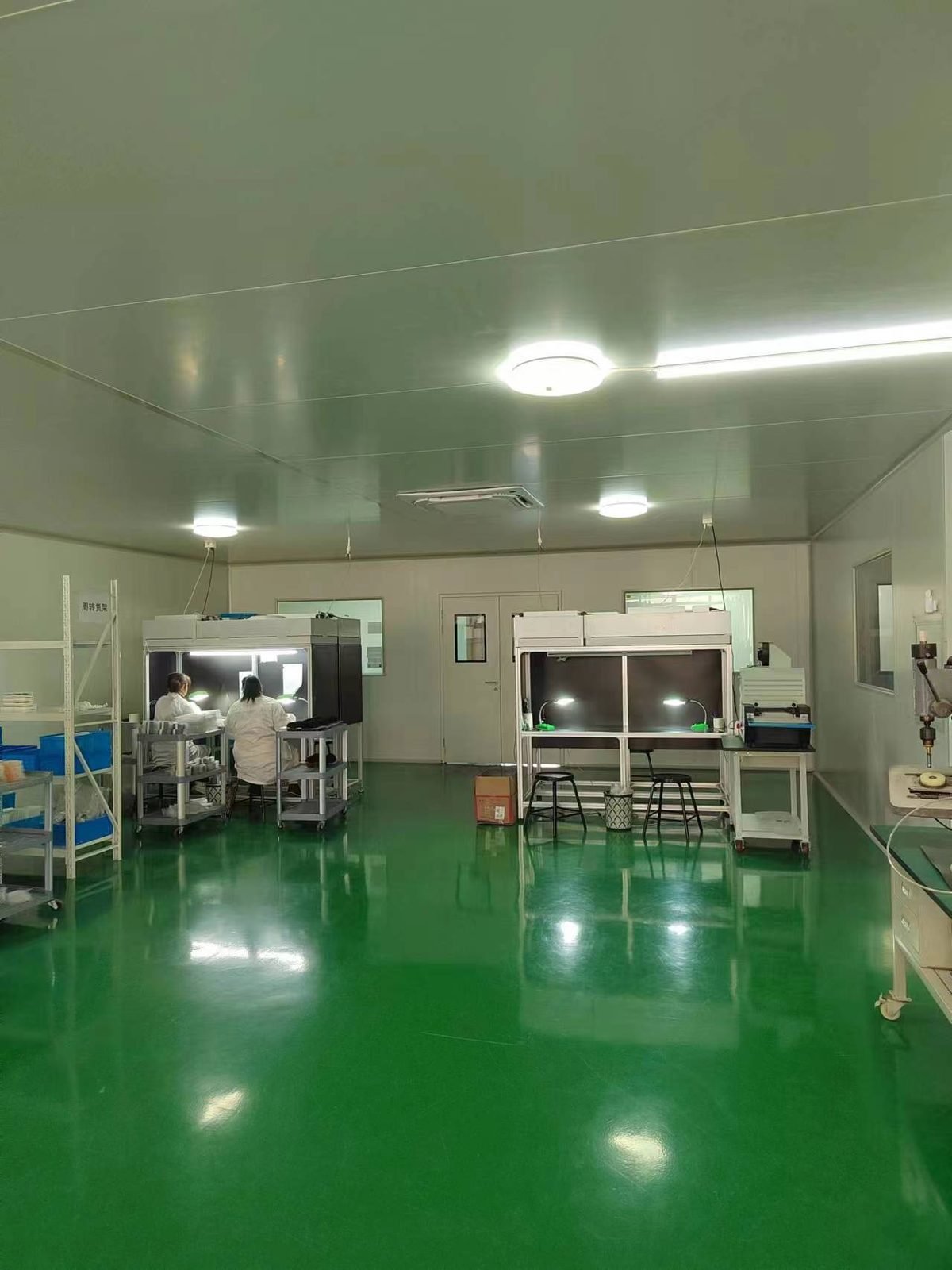
From prototype performance to batch performance: ISO 9001 process control, 1 μm-class active alignment where the stack demands it, a prototype-to-mass-production schedule confirmed per project.
Shipment after 50% balance. Tooling stored free for 5 years so repeat orders skip spec review — the cycle returns at mass production, not at spec review.
01 Cycle returns — repeat orders re-enter at mass production on the agreed framework schedule.
NDA before drawings · free tooling storage for 5 years · 50% deposit / 50% before shipment · per-batch MTF / distortion reports
Optical systems routinely outlive their documentation. When the original supplier is gone and only stock samples remain, we reconstruct the optical prescription from the part in your hand — then validate the reproduction against it, side by side.
When this path applies: original supplier exited the market; drawings lost between product generations; a sub-assembly must be re-sourced without disturbing the parent system’s qualification; performance must be matched, then improved (e.g., tighter distortion) without redesigning the mount.
01 Measure — geometry and imaging performance benchmarked against the original (MTF, distortion); transmission and coating behavior measured on our UV spectrophotometer and interferometer stations.
02 Model — optical prescription reconstructed to Zemax-level design, with tolerance analysis applied as if it were a new design.
03 Validate — prototype verified side-by-side against the original sample before any volume commitment. Acceptance is the side-by-side step: your original sample and our prototype, measured on the same stations, reported in the same table.
Every reproduction project runs under NDA, with IP responsibilities defined in writing before work begins.
OEM: we build to your released design. ODM: we carry the optical design responsibility from your requirement to validated production. Both run on the same five-step workflow, metrology, and commercial terms. What changes is where the design authority sits.
In scope: custom imaging lenses from spec or sample; opto-mechanical co-design and integration; reverse engineering & no-drawing reproduction; UV / DLP / spectral / laser optics per capability matrix.
Out of scope: retail / consumer single-piece sales; full camera electronics & ISP firmware; projects refusing NDA or IP terms; volume below sampling feasibility.
Design input checklist: image sensor (die or module — yours, or from our matched pool incl. OV9734 / OV2740 / ES101); field of view and working distance; resolution target (lp/mm or defect size); distortion limit; mechanical envelope; wavelength range (VIS / NIR / UV 365–405 nm) and environment. Send whatever exists — Step 01 completes this checklist in writing before any design hour is billed.
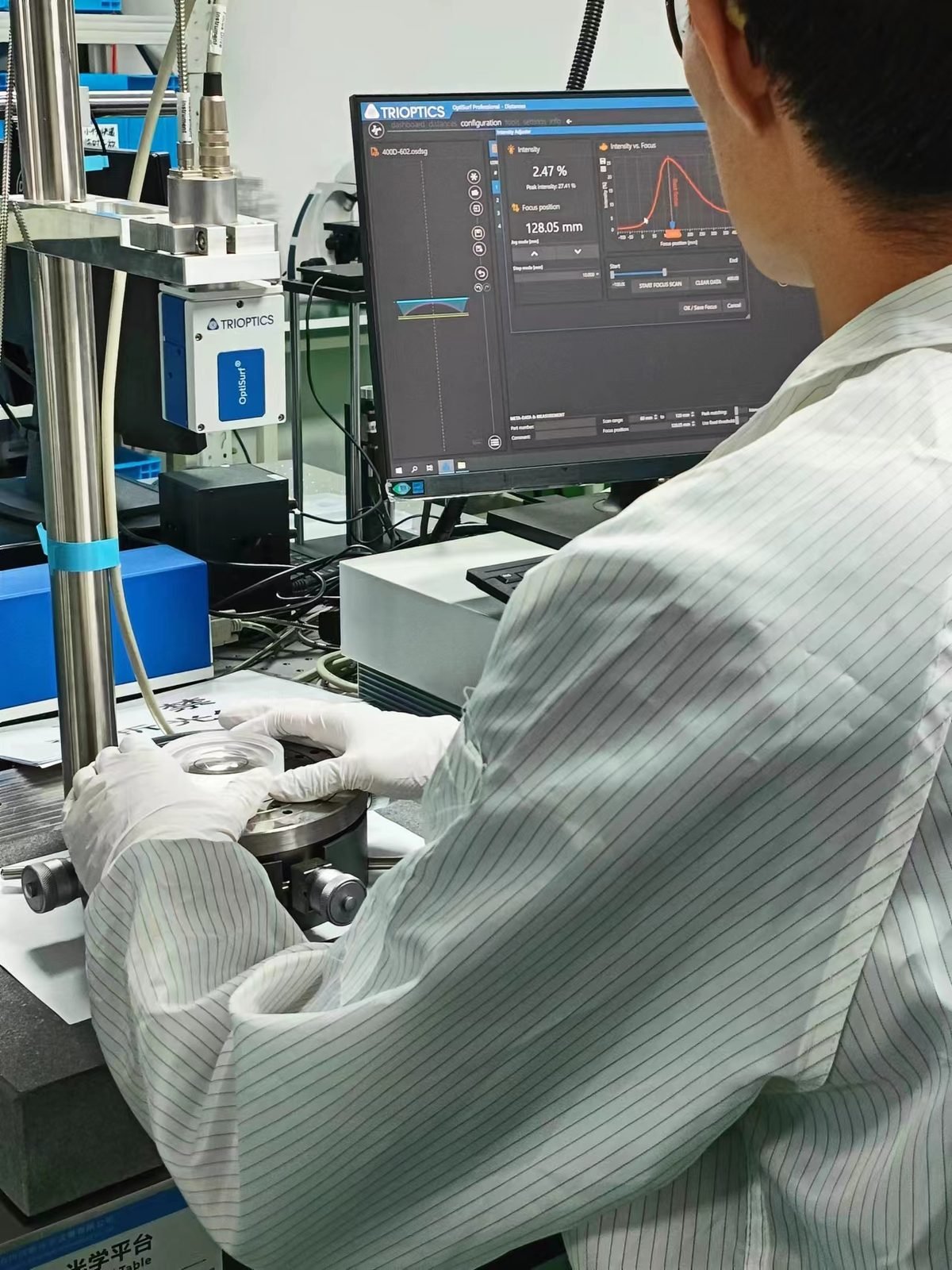
Every design decision is closed with metrology: Trioptics centration systems, laser Fizeau interferometer, reflection-type centration, precision air-bearing platforms, UV spectrophotometer, and collimation stations — covering MTF, distortion, BFL, DOF, plus IP67 and IP68 environmental validation. As a precision optics partner, our answer to “will it hold in production?” is always a measurement record.
The question that ends custom projects is not “can you make one?” but “can you make ten thousand the same?” Three parts: ISO 9001 process control across the line, micron-class alignment capability applied wherever the design demands it, and per-batch test records that let your incoming inspection verify instead of trust. On the FA line, this discipline holds distortion below 0.05% with 10K+ batch consistency — the same standard carries into custom builds.
Looking for a catalog part instead? Browse our standard product families.
The same design-to-production chain also builds optics that never appear in a lens catalog. If your product needs light shaped, focused, projected, or split — this matrix is where to look.
Projection optics engineered for DLP architectures across UV 365 / 385 / 405 nm wavelengths — where uniformity and thermal stability decide image quality.
0.5 μm-class objectives for exposure light paths, where resolution is the product — designed, toleranced, and verified like metrology optics, because they are.
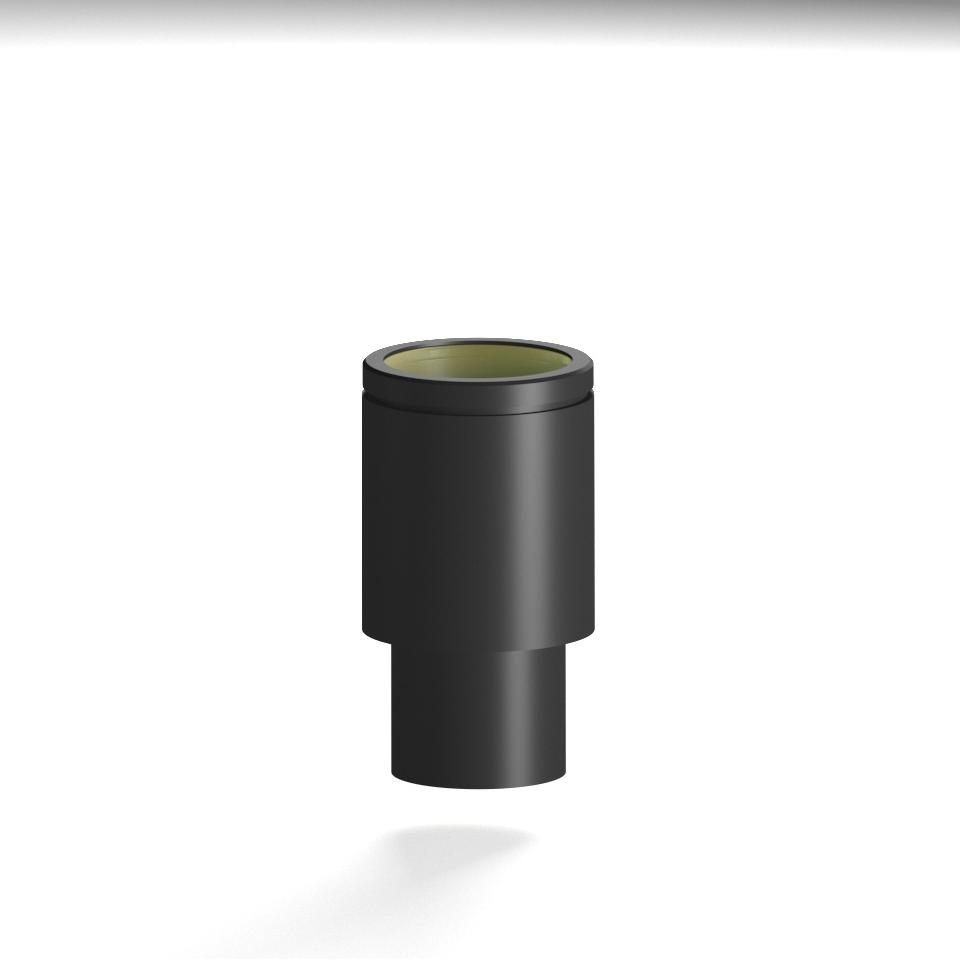
Telecentric optics for additive-manufacturing light paths, holding geometry stable across the build plane.
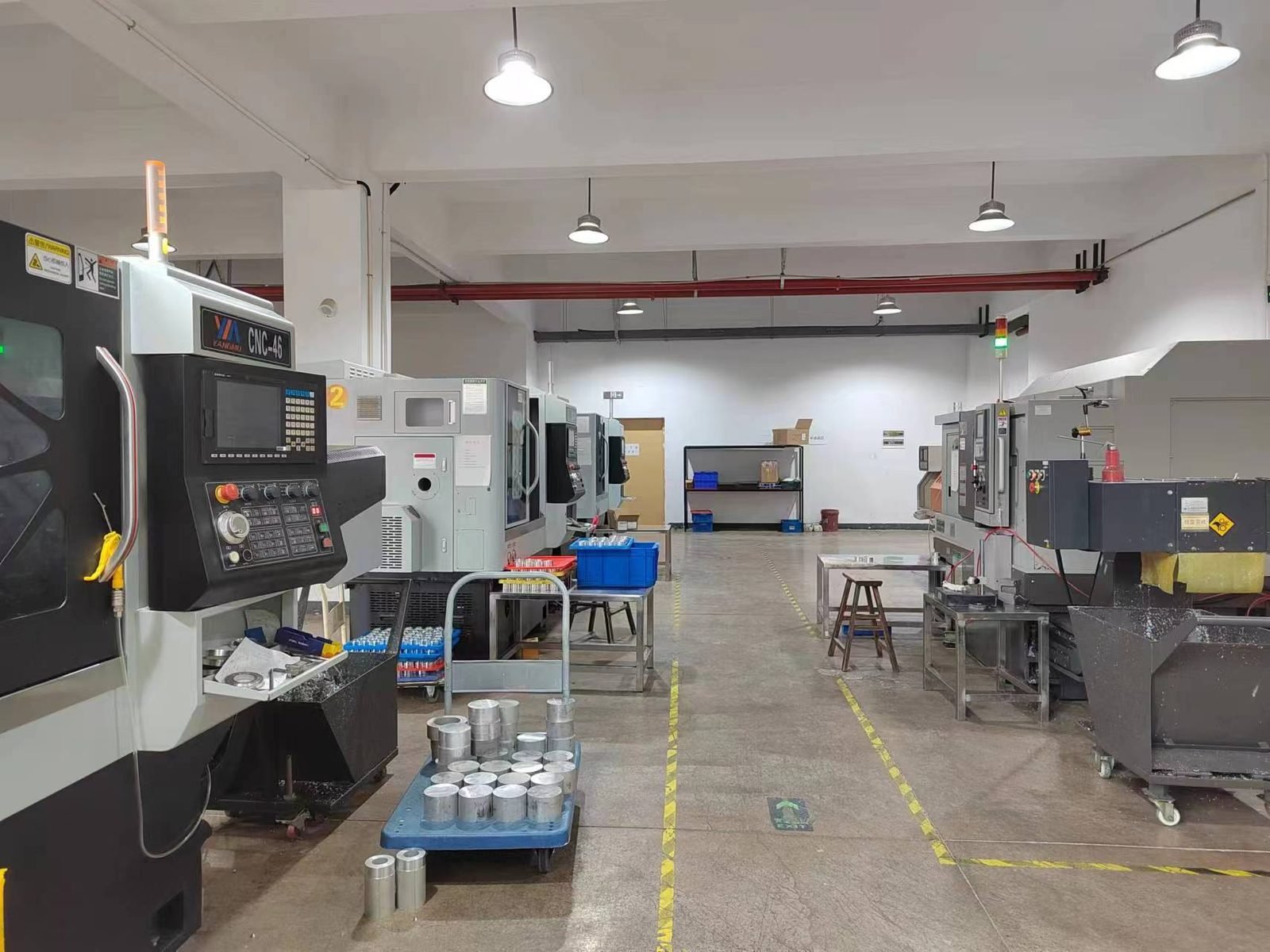
Spectral-sensing assemblies where the optical path is the instrument — alignment and coating data ship with every set.
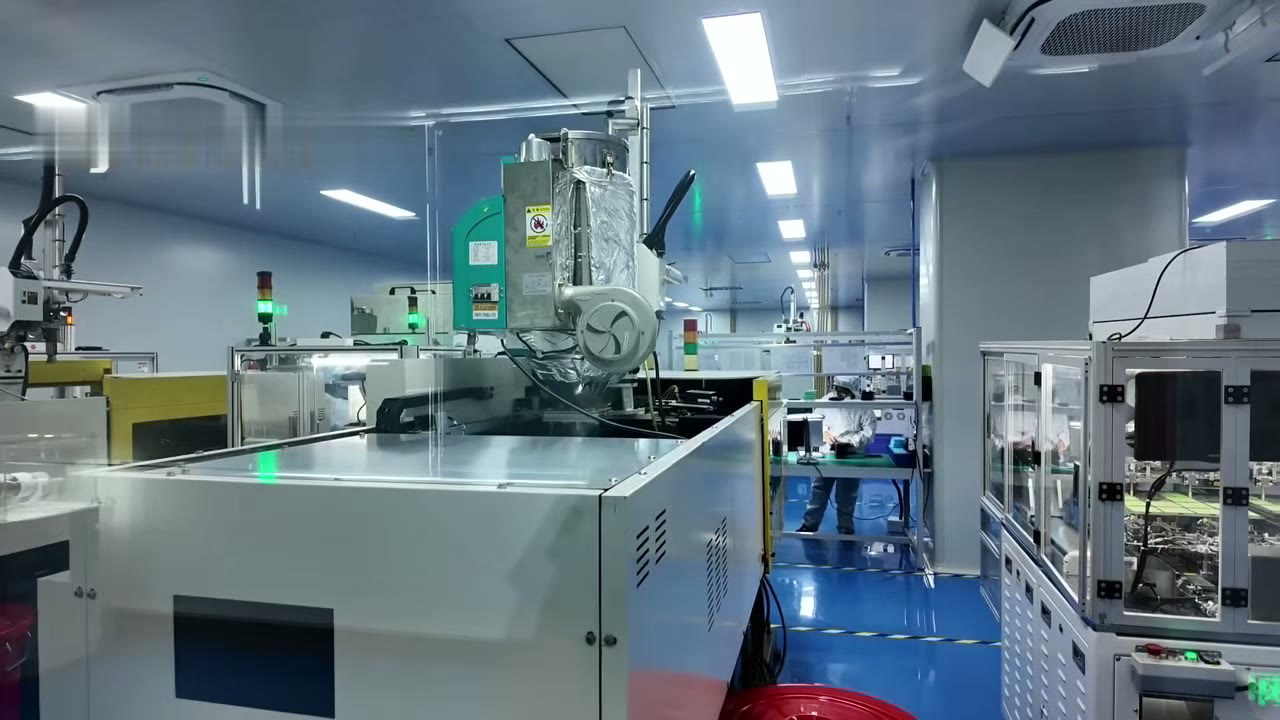
Laser optics design and module integration for industrial and instrumentation sources.
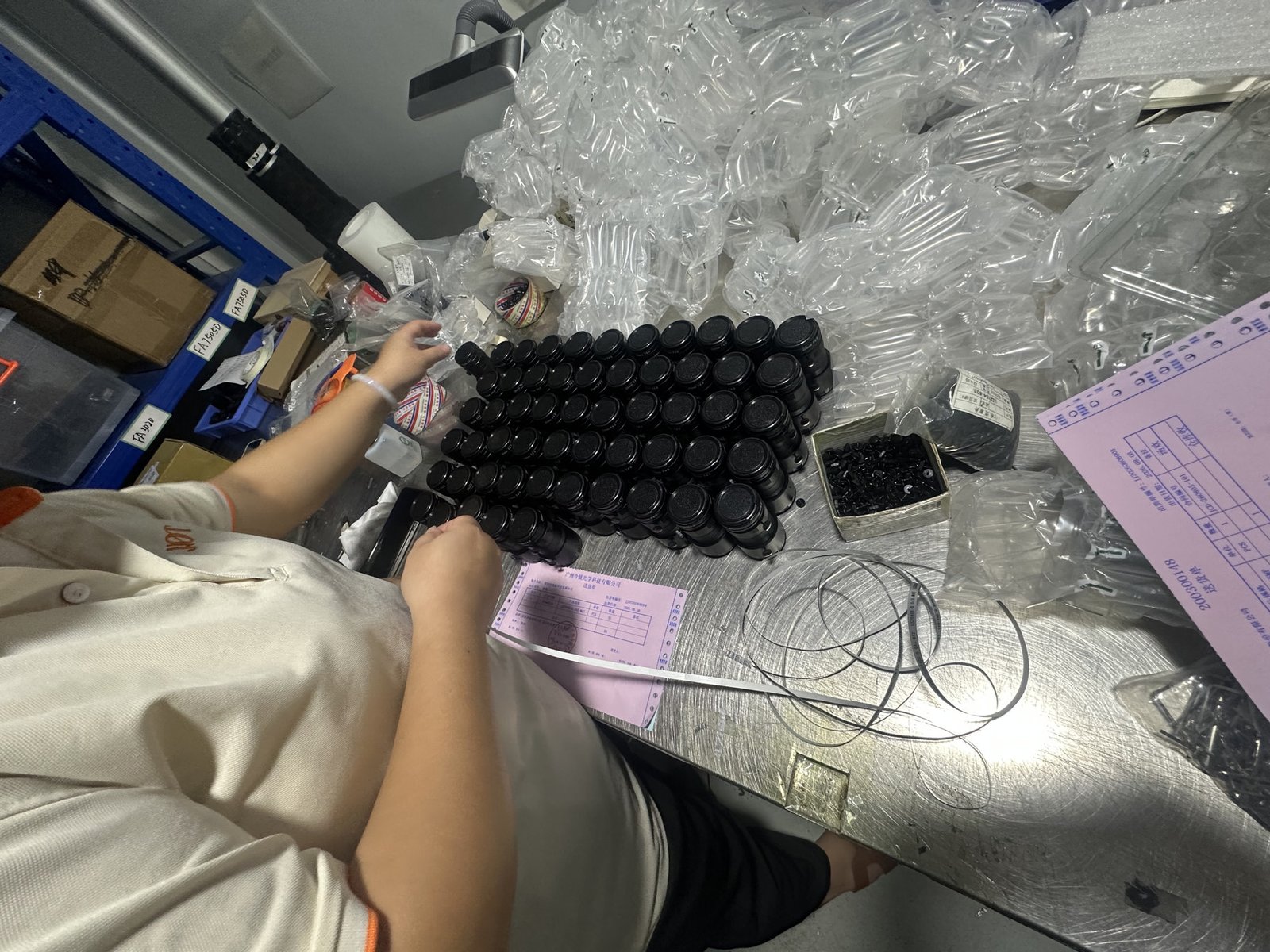
Read the first column as a symptom, not a product. If your system projects, exposes, prints, senses spectra, or generates laser light, describe the light path outcome — we map it onto the capability above, or design beyond it.
Before you ask a custom optics manufacturer for a quote, these are the questions that decide whether the project moves.
Describe what your system needs to see — a weld seam, a vial cap, a 5 μm line — and our engineers will tell you what it takes optically. No spec? The target image is enough to start.