Precision lens manufacturer for machine vision, medical, and industrial imaging applications.

Pericentric & Catadioptric Specialty Optics

See the Entire Side Wall in One Shot — 360° Panoramic Lenses

Pericentric panoramic optics that image the full 360° side of cylindrical parts — bottle caps, precision threads, machined cylinders — on one camera, one exposure, no rotation stage, no multi-camera stitching. Engineered to order by the Lensmind specialty optics team.

Single camera One exposure No rotating mechanism 60-day prototype-to-production ISO 9001
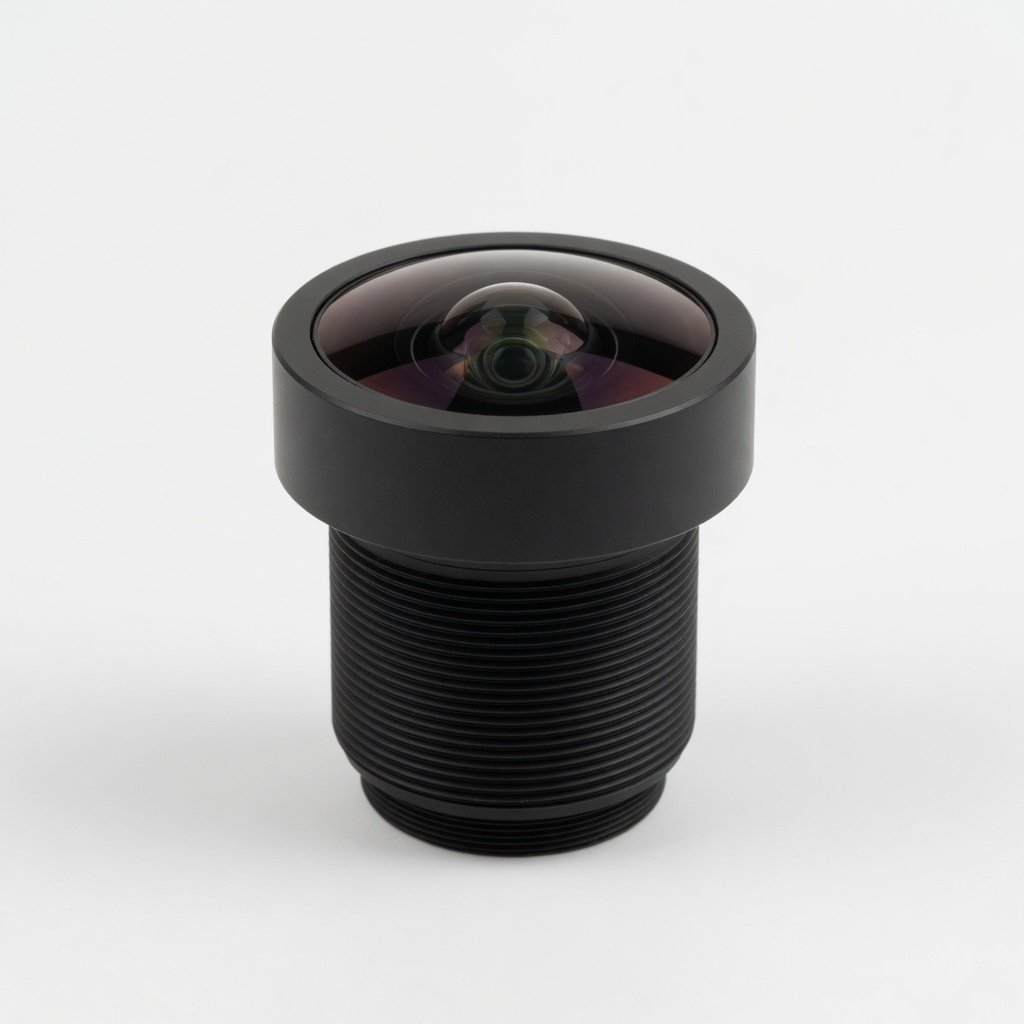
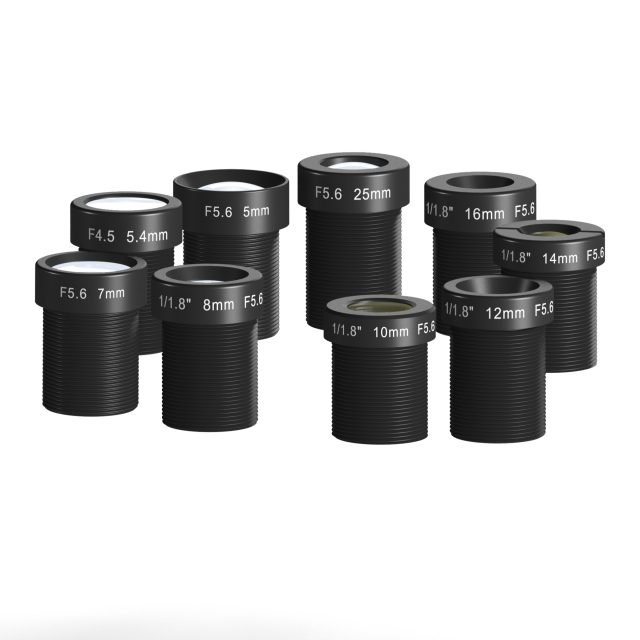
Lensmind M12 precision industrial lens, product photo by Lensmind Optics
Family / use-case console

Pericentric side-wall optics are project builds. The console is the family; the only catalog SKUs on this page are official 190–220° M12 fisheyes for scene coverage — not invented 360 models.

Lensmind 360 degree panoramic octagon mirror STE series

The 360° Optics We Build, In-House

Shown from the specialty shop: the octagonal mirror assembly and the circular reflector used in catadioptric panoramic configurations. Variant — pericentric top-face or side-wall-only, mirror ring or annulus fold — is set by your part geometry, not picked from a shelf. There is no invented 360 SKU table on this page.

Need 190–220° scene coverage instead? →
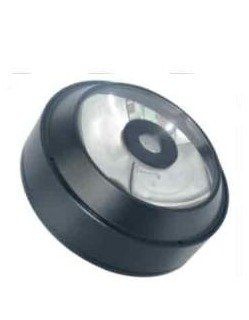
Lensmind 360 panoramic circular reflector

Pericentric, Panoramic, Catadioptric — Which Term Is Which

Peri- + -centric: rays encircle the part. Catadioptric is the means (reflective + refractive fold). Panoramic is the result (full circumference in one shot). We treat them as one family and configure per project.

See the light path →
Lensmind factory - optical lens assembly and inspection

One Lens, One Camera, the Whole Circumference

The part sits on-axis. Light from every azimuth enters the ring, maps to an annular image, and unwraps to a flat side-wall strip — one deterministic transform, no registration between views. No rotation stage. No multi-camera stitching.

Send part Ø × height →
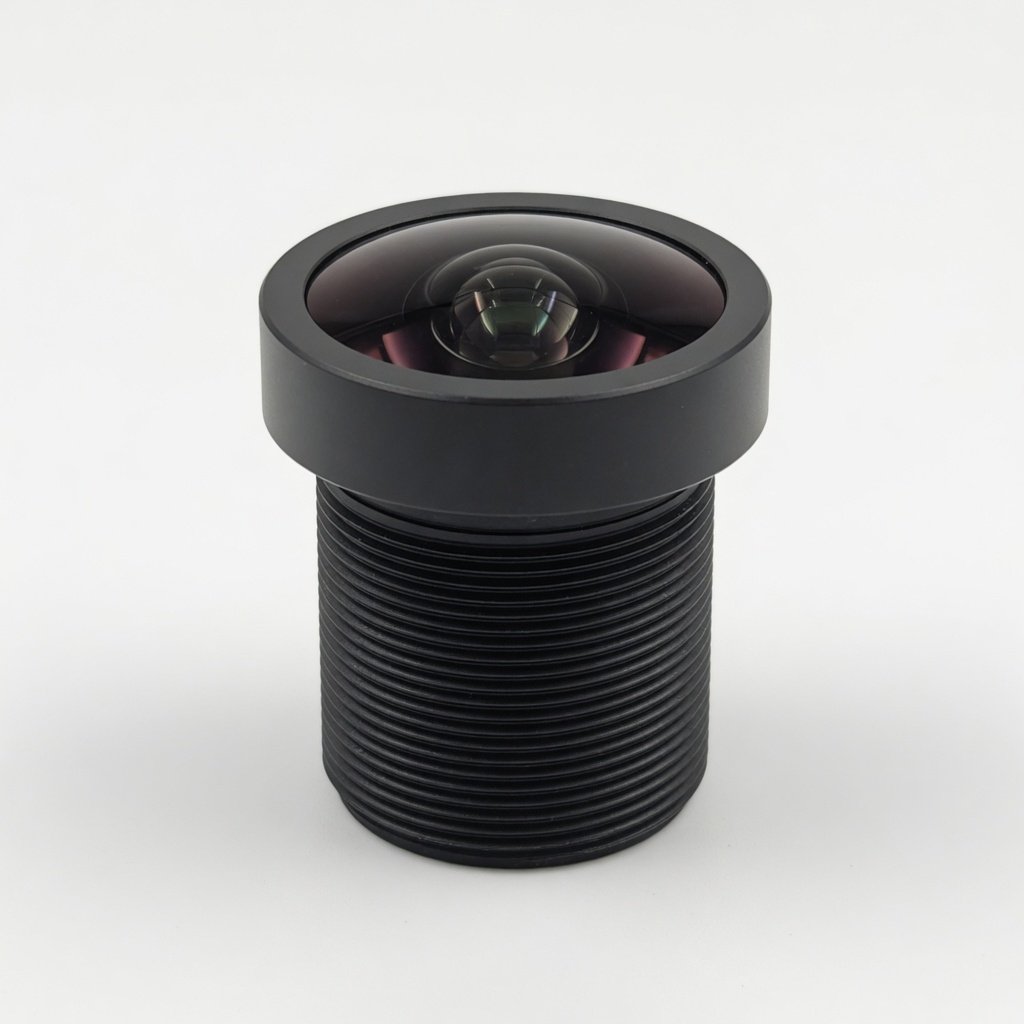
LMMJ7028A 0.9mm F2.0 M12 220 degree wide angle fisheye lens

Pericentric vs. Fisheye: Same Wide Feeling, Completely Different Optical Path

A fisheye images a wide solid angle from one viewpoint in front of the camera. A pericentric lens folds light around the part so the side wall is imaged directly. If you need scene coverage, use official M12 SKUs LMMJ7028A / 7018A / 7058A. If you need to measure a cylinder, stay on this custom path.

Official 190–220° M12 SKUs →
Precision lens manufacturing line at Lensmind factory

Bottle Caps, Threads, Cylindrical Parts — the Side-Wall Map

  • Pharma caps — cracks, tamper rings, print, one audit-ready frame.
  • Threads and fasteners — no part rotation, line keeps tact time.
  • Cans, tubes, battery cells, ampoules, label wrap.

Bore interiors belong on endoscope optics. Pixels/mm is computed from your Ø, height, defect size and sensor — not guessed from a catalog row.

Start a 360° optic project →
Official sheet SKUs for scene coverage

When you need a 190°–220° M12 fisheye — not a pericentric build

MJ7208B / MJ7209A appear in wide-angle application photography; they are not extra rows on the official 14-SKU LMMJ sheet, so this page does not invent those URLs. The panoramic-class catalog models that do exist are the 190° and 220° M12 board lenses below. Use them for scene coverage. For cylindrical side-wall measurement, stay on the custom pericentric path on this page.

360° Inspection Lens FAQ

Questions Integrators Ask Before Going Single-Camera

Can one camera really inspect a full 360 degree side wall?
Yes. A catadioptric panoramic lens folds the full circumference of a cylindrical part into a single annular image on one camera sensor — one exposure, no part rotation, no multi-camera stitching.
What is the difference between a pericentric lens and a panoramic lens?
In machine vision the industry term is pericentric: light rays encircle the part and image the side wall — and on many designs the top face — in one shot. Panoramic and catadioptric describe the same family of fold-the-circumference designs. This page uses both terms because engineers search for both.
How is this different from a fisheye lens?
A fisheye is an ultra-wide-angle refractive lens that images a wide solid angle from a single viewpoint in front of the camera; distortion is the trade for field. A pericentric or catadioptric lens folds light from every azimuth around the part onto the sensor, so the side wall itself is imaged directly. Different optical paths, different measurement geometry.
Is this the same as a security camera fisheye lens?
No. Surveillance fisheye lenses watch a wide area from one viewpoint for scene coverage. Inspection panoramic lenses resolve the circumference of a specific cylindrical part for measurement, with per-batch distortion data and MTF validation. If your machine needs area coverage instead, use an official M12 wide-angle SKU such as LMMJ7028A (220°) or LMMJ7018A (190°) — not a pericentric build.
What resolution do I get on the side wall?
Effective tangential resolution depends on sensor pixels distributed around the annulus and your part diameter; we compute the pixels-per-millimeter figure for your exact geometry during the design review. Typical example data is shared during the design review.
Does the part or the lens need to rotate?
No. The full circumference is captured in a single static exposure; there is no rotating mechanism to maintain and no rotational indexing error.
How does it compare with a multi-camera array on cost?
You buy one lens and one camera instead of N of each, and you remove multi-channel sync, per-camera calibration and per-frame stitching compute from the station. The comparison table breaks down cost, calibration and maintenance line by line.
What part sizes can be covered?
Design scales with part diameter and height, from pharmaceutical caps to larger machined cylinders; send the part drawing for a coverage assessment. Coverage diameter and height ranges are assessed from your part drawing.
What about software and unwrapping?
The annular image unwraps into a flat side-wall strip via one deterministic transform; the mapping is delivered with the lens. Software delivery format is agreed during the design review.
Can it see the top surface as well as the side wall?
Pericentric configurations can image the top face together with the side wall in one shot, depending on the light path designed for your geometry. Confirm top-surface requirements in the project review.
Is a 360 degree optic a catalog product or a custom build?
Most panoramic and pericentric optics are engineered to order around part geometry, defect list and line speed; the fixed path is 60 working days from approved design to mass production and 30 days on repeat orders, under NDA with tooling stored free for 5 years.
Can we test with our own parts before committing?
Yes — send sample parts and we image them with the first-article optic as part of the prototype validation step. Sampling follows our standard policy – sample fees are credited back when your volume order ships.
Lensmind Lab & Factory

Measured, Not Claimed — Data from Our Lab

Every claim on this page is backed by measurement. Below: the metrology instruments in our quality lab, optical bench and Zemax simulation records, and the production floor that builds and signs off every batch.

Metrology instruments

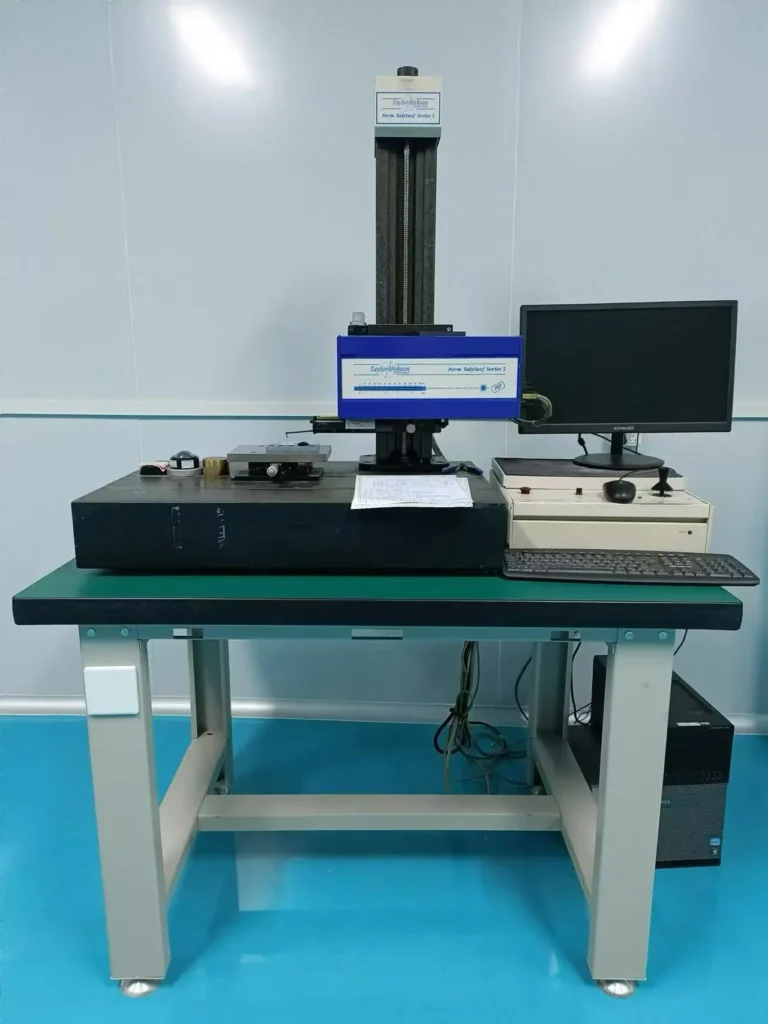
Taylor Hobson Form TalySurf surface profilometer in the Lensmind quality lab for lens surface metrology
Taylor Hobson Form TalySurf — surface profilometry in our quality lab
2D vision measuring machine inspecting a Lensmind lens component in the quality control lab
2D vision measuring machine — dimension inspection under 1 µm
Lens centering measurement with a Trioptics OptiCentric instrument at the Lensmind factory
Trioptics OptiCentric — lens centering & alignment measurement
Focus position measurement of a Lensmind lens assembly with a Trioptics OptiSurf instrument
Trioptics OptiSurf — focus position measurement on the bench
Engineer running an MTF test on a Lensmind lens at a production test station
MTF test station — engineer running a production MTF test

Lab data & simulation records

MTF curves across image height for Lensmind machine vision lens configurations, sagittal and tangential
Measured MTF vs image height — sagittal & tangential
Relative distortion curve of a Lensmind lens plotted against image height in percent
Relative distortion curve, plotted per batch
Zemax through-focus MTF simulation of a Lensmind 54 degree f/1.2 lens design at 85 line pairs per millimeter
Through-focus MTF simulation @ 85 lp/mm
Zemax spot diagram of a Lensmind f/1.2 wide angle lens across 0 to 31.6 degree field positions
Spot diagram — F/1.2 wide-angle design, 0–31.6°
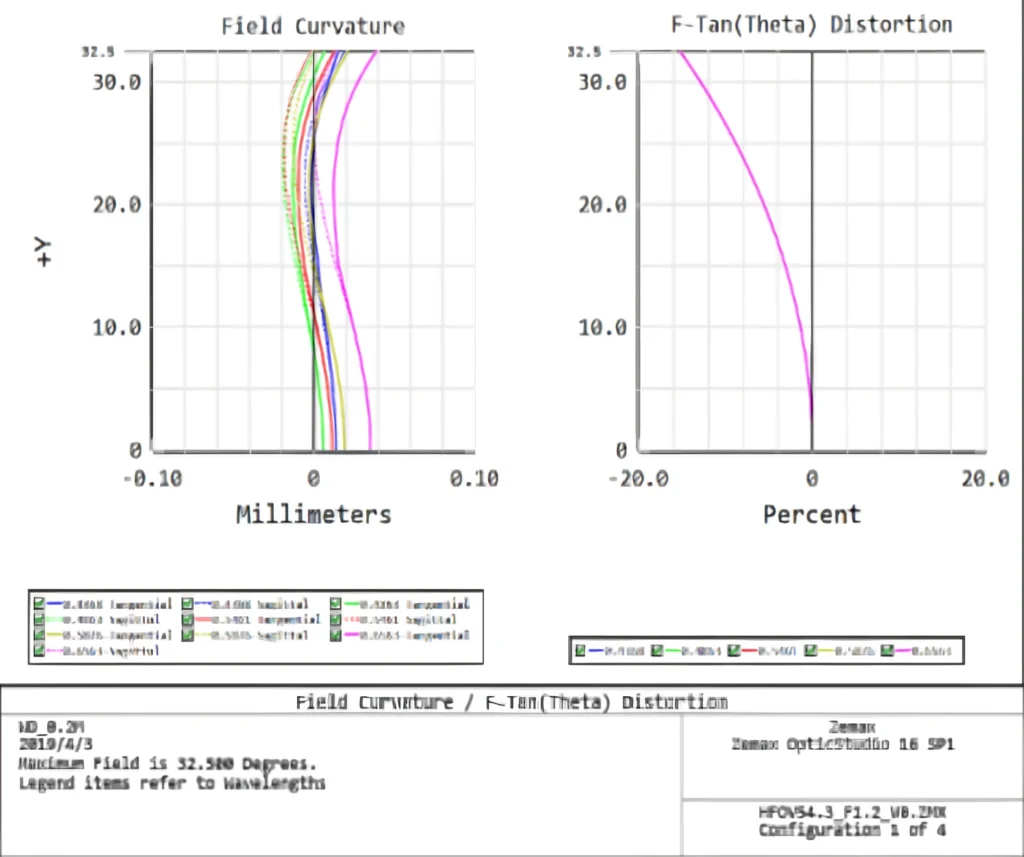
Field curvature and F-tan theta distortion plots from Zemax simulation of a Lensmind f/1.2 lens design
Field curvature & F-tan θ distortion — design analysis

Production floor

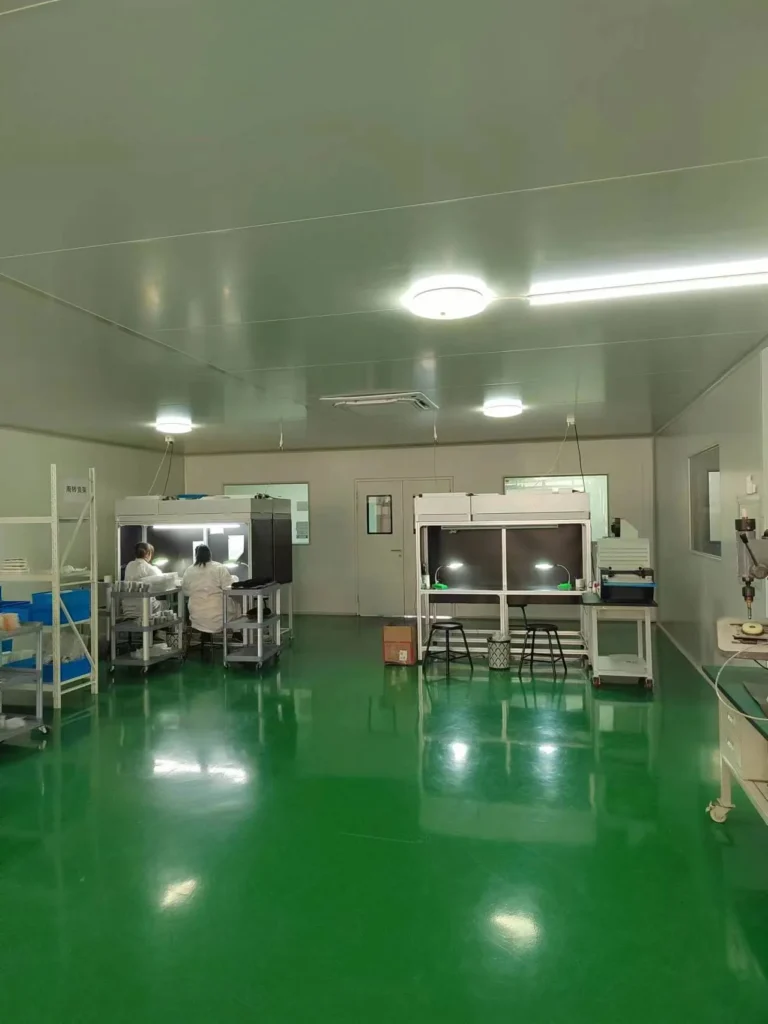
Operators assembling lenses inside a Lensmind cleanroom assembly room
Cleanroom assembly room — sub-2 mm optics built in controlled air
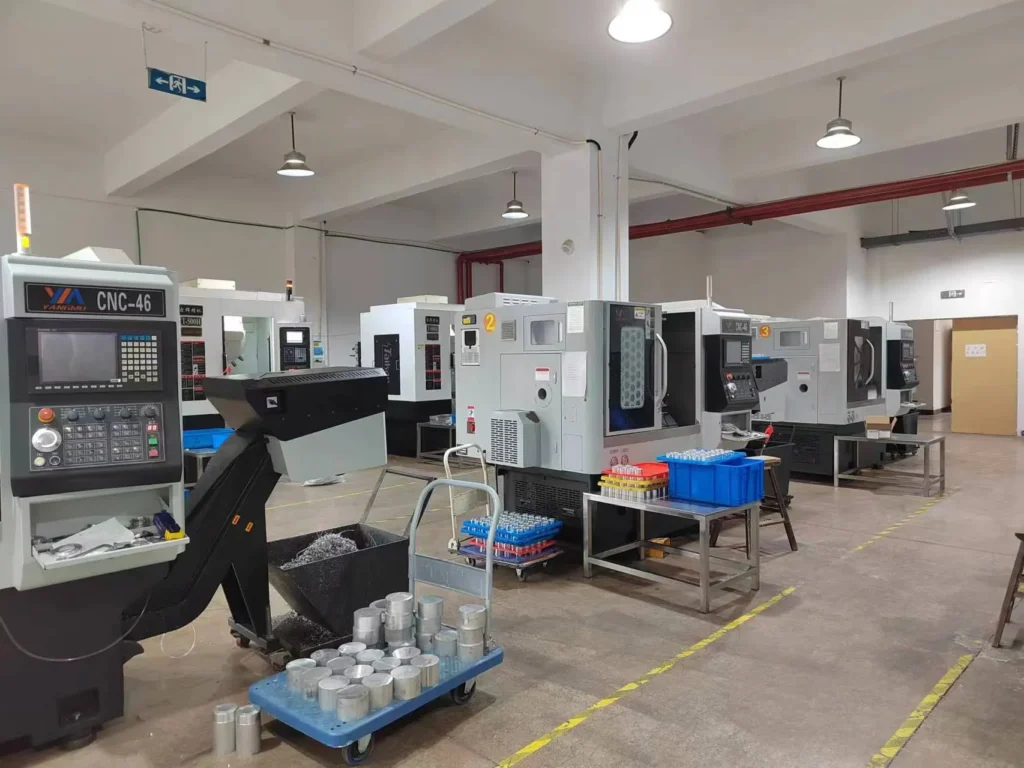
Row of CNC lathes machining precision lens barrels in the Lensmind workshop
CNC lathe workshop — precision lens barrels machined in-house
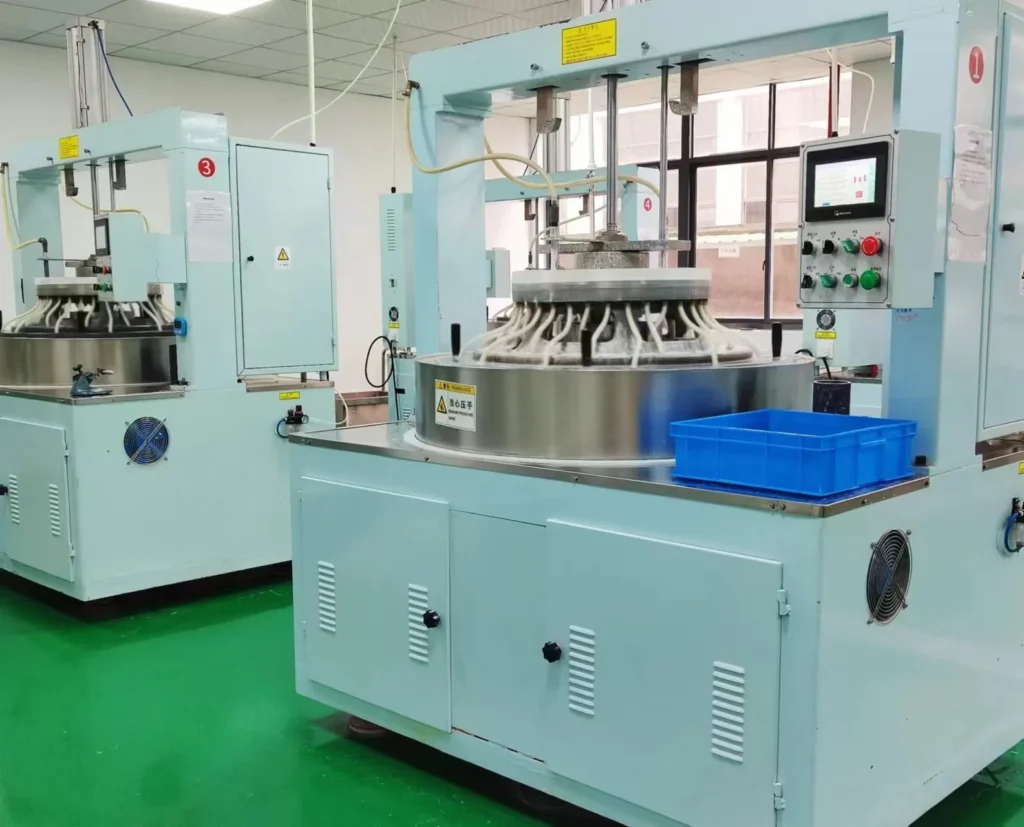
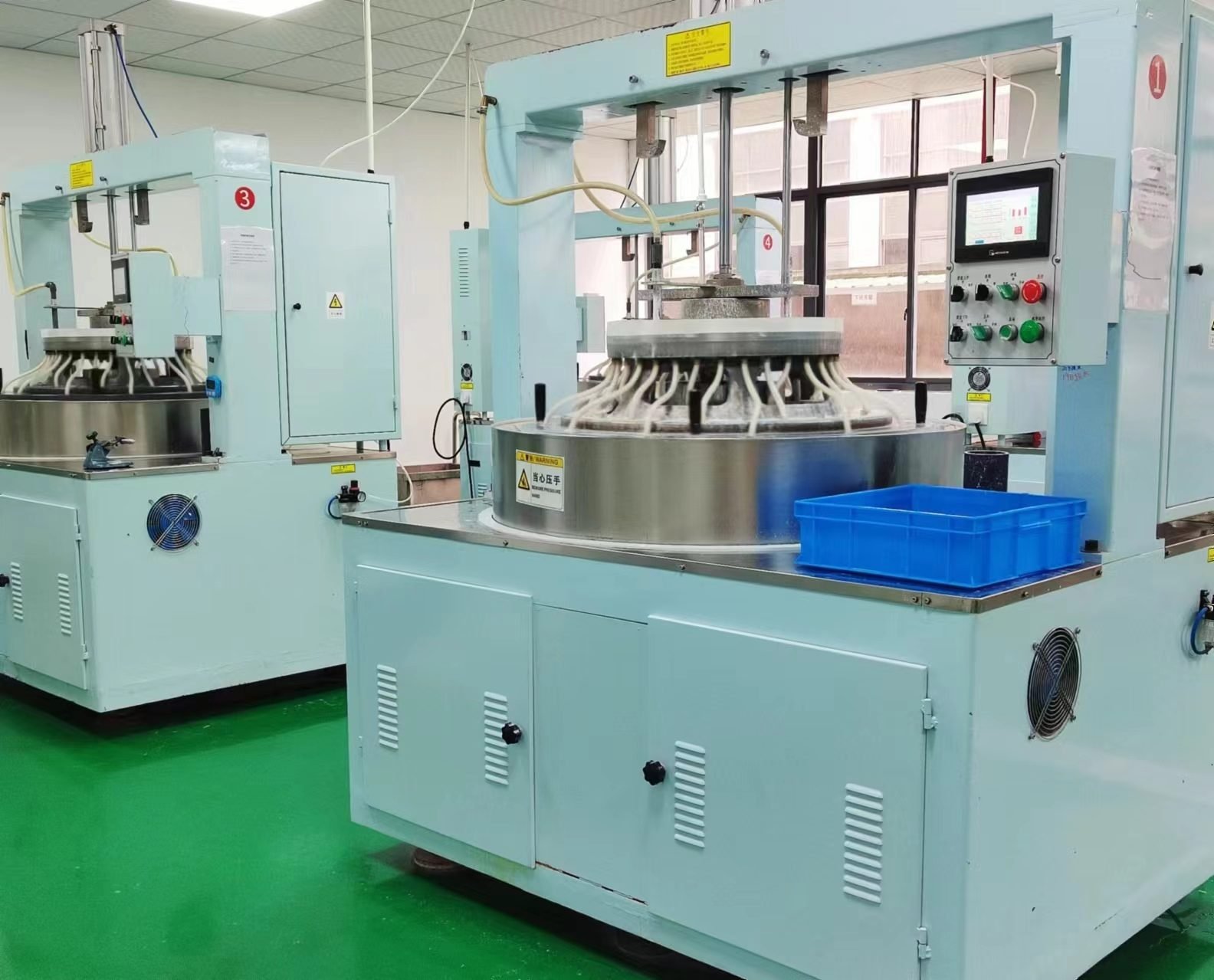
Optical polishing machines finishing lens elements at the Lensmind factory
Optical polishing machines — elements finished to curve
Ultrasonic cleaning and spin-dry line for optical parts at the Lensmind factory
Ultrasonic cleaning & spin-dry line for optical parts
MTF testing of M12 board lenses at a Lensmind production test station
M12 board lenses on the production MTF test station
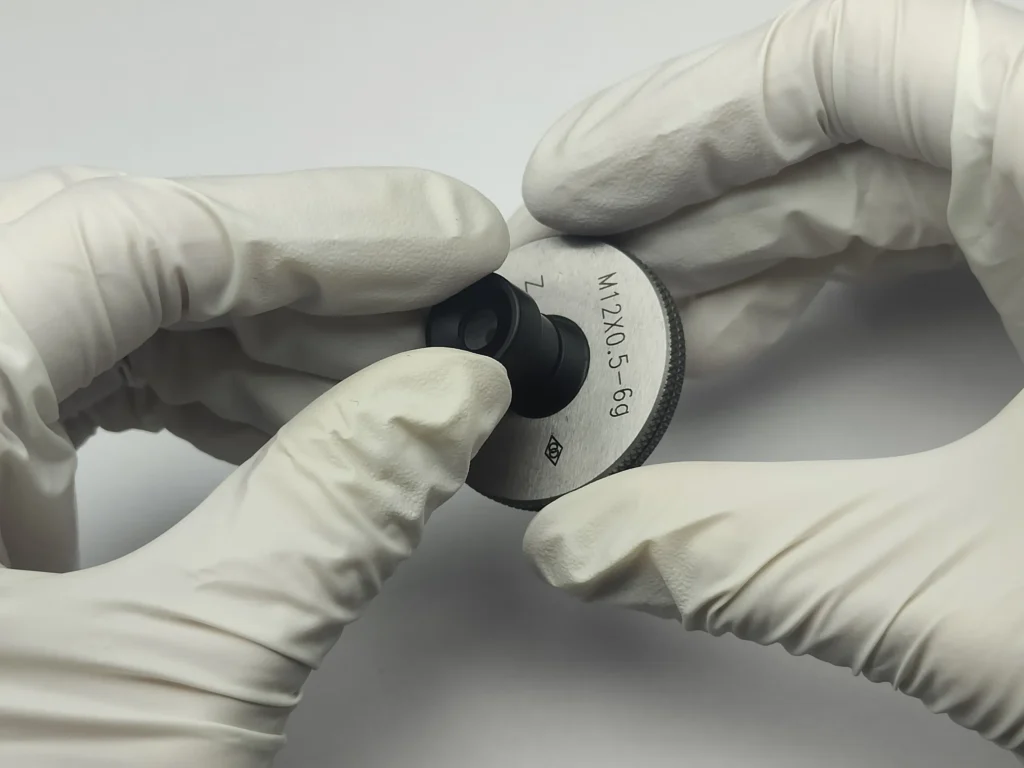
Checking M12x0.5 lens mount threads with a go thread gauge at Lensmind
M12×0.5 mount checked with a go thread gauge, every unit

Every batch ships with its own MTF, distortion, BFL and DOF records. Want the full test pack for a specific model? Request the full test report →