3D Stereo Vision Lens Family Guide: Matched Pairs and Profiler Optics
Matched pairs, not random lenses: the optics behind stereo depth accuracy and laser line profiling, with per-pair verification records.
read more…
A bottle cap moves down a line at 300 parts per minute. Three cameras cannot see the whole tamper ring. A rotation stage can, but it costs a station, a motor and a maintenance schedule. The third option is one lens, one exposure, and an annular image that unwraps into a flat strip of the entire side wall. That is what a panoramic lens does, and it is the reason the family exists.
Key Takeaways
This page is the family guide: what the optical path does, which decisions are yours, which are ours, and where the boundary sits between a catalog lens and a made-to-order build. If you are still choosing between families, start from the five inputs in the machine vision lens selection guide and come back here when the target is a cylinder.
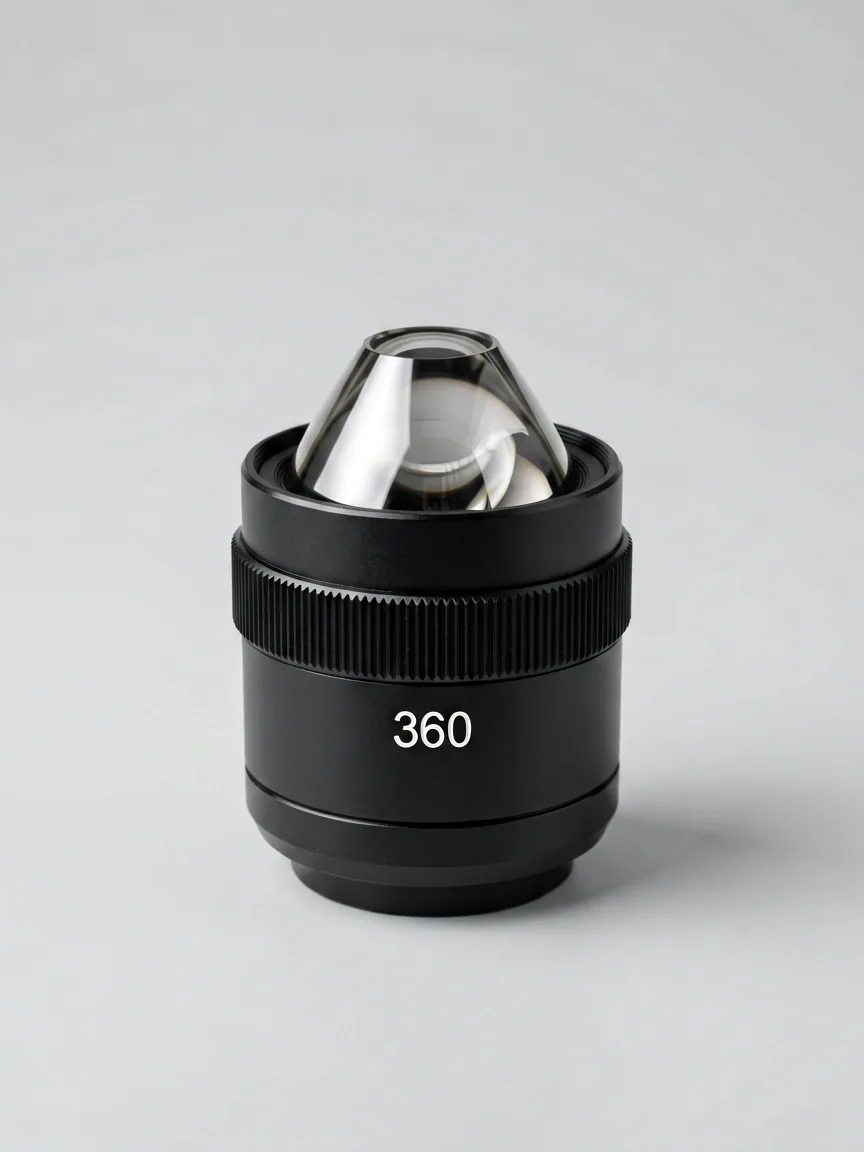
A conventional lens looks at a scene from one viewpoint in front of the camera — the same geometry the term fisheye lens describes, just less extreme. A panoramic optic for inspection does something narrower and more useful: it images the entire circumference of a cylindrical part that sits on the optical axis. Pharma caps, threaded fasteners, cans, battery cells and ampoules all share that geometry, and all of them are awkward for a normal camera.
The part sits inside the field. Light arriving from every azimuth enters a ring of optics, folds inward, and lands on the sensor as an annulus — a ring-shaped image whose radius encodes the height of the part, the same unwrapping problem that panoramic photography solves in a different domain. One deterministic transform turns that annulus into a flat strip, and the strip is the side wall, top to bottom, 360° around.
Because there is one camera and one exposure, there is nothing to register. Two-camera stitching needs overlap, calibration and a residual error budget at the seam. A rotation stage needs a mechanism, a control loop and a maintenance interval. A pericentric build removes both, and that is the trade you are buying.
The same geometry works in reverse for the top face. A variant of the build images the top surface across its full area in one shot, which suits flat parts whose edges matter as much as their centre.
If the target is a cylinder’s side wall, a panoramic optic is not a wider lens. It is a different optical path with a different job.
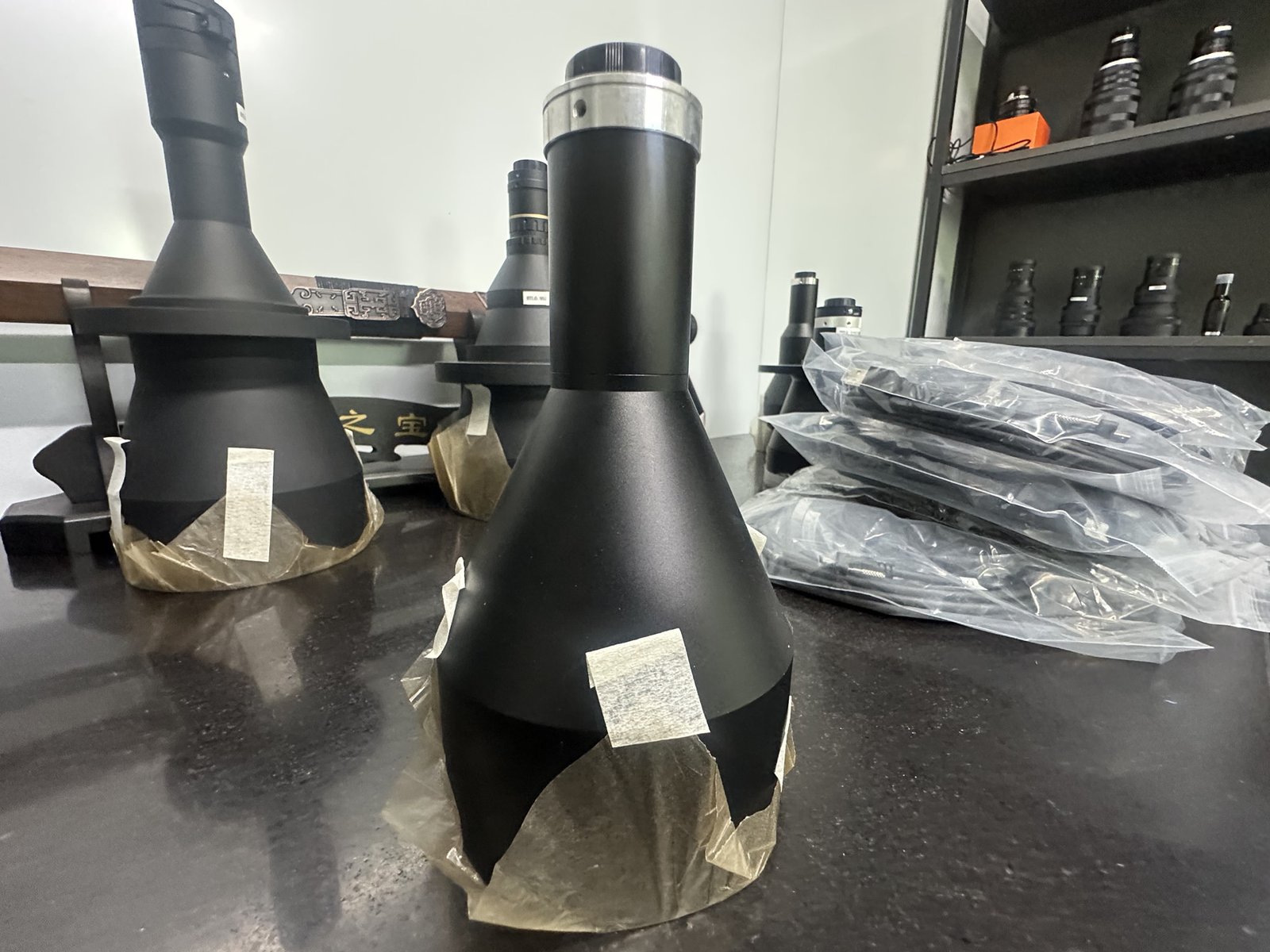
The vocabulary in this corner of optics is inconsistent, and buyers lose time to it. Peri- plus -centric describes rays that encircle the part. Catadioptric describes the means — a system that combines reflective and refractive elements to fold the path. Panoramic describes the result: the full circumference in one image.
Lensmind treats the three terms as one family, because the build decision is the same for all of them. What changes between projects is the mirror geometry: an octagonal fold, a circular reflector, or an annulus that is cut to match the part’s diameter and the defect size you need to resolve.
That is why there is no invented catalog table for pericentric optics. A 360° side-wall build is defined by the part in front of it. Quoting it from a shelf would mean quoting a lens that resolves defects at a size nobody asked about.
The reflective elements themselves are not exotic to us. The physics is ordinary total internal reflection and coated-surface reflection; the same internal line that cuts, grinds, polishes and coats the prism and mirror products runs the mirror geometry in a pericentric assembly, which keeps the fold and the imaging path in one quality system.
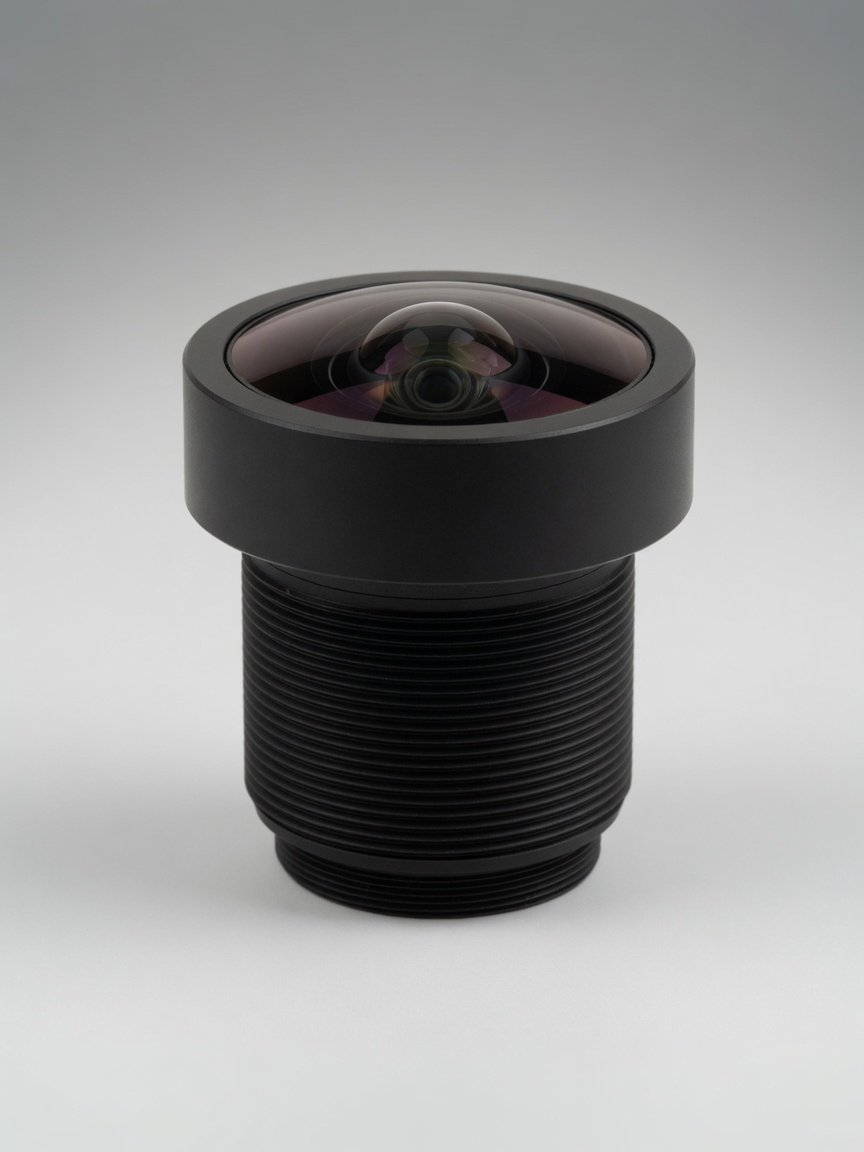
Two families get confused constantly, and choosing the wrong one wastes a project. A fisheye images a very wide solid angle from a viewpoint in front of the camera. It is the right answer when you need to see a room, a panel face, a conveyor zone or a machine enclosure in one shot — and it is available from stock.
A pericentric build is the right answer when you need to measure a cylinder. It does not see the room. It sees the part’s side wall, mapped deliberately, with a pixel density that was computed from the defect you must catch.
If your requirement is scene coverage, stay on the catalog sheet. The official 190° and 220° M12 board lenses are listed on the 360 panoramic lens family page and they ship as standard SKUs. If your requirement is a cylinder’s side wall, stay on the made-to-order path — a wider fisheye will not measure a thread.
| Official panoramic-class M12 SKUs | EFL | Stop | FOV | Sensor | Mount |
|---|---|---|---|---|---|
| LMMJ7028A | 0.9 mm | F2.0 | 220° / 220° / 220° | 1/2.9" | M12×0.5P |
| LMMJ7018A | 0.9 mm | F2.0 | 190° / 190° / 190° | 1/2.9" | M12×0.5P |
| LMMJ7058A | 2.1 mm | F2.2 | 190° / 190° / 95° | 1/2.7" | M12×0.5P |
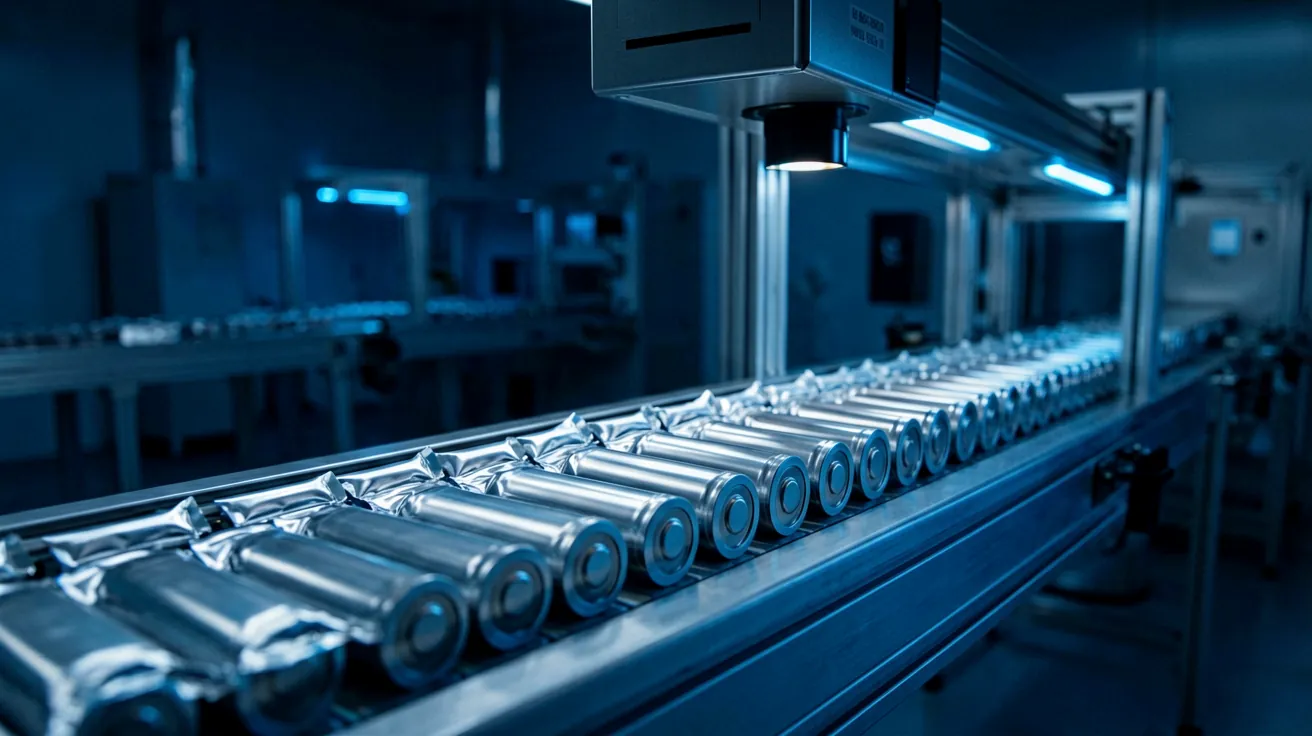
The builds pay for themselves where a full-circumference defect map has to land on every part without slowing the line. Four applications dominate the requests we see.
Pharmaceutical caps are the classic case: cracks, tamper rings and print quality inspected in one frame per cap, with the image retained as an audit record. Threaded fasteners follow the same logic — a full thread profile evaluated without rotating the part, so the line keeps its cycle time.
Containers are the volume case: cans, tubes, battery cells and ampoules where label wrap, dents and seams need 360° coverage. And precision machined cylinders — pins, bushes, shafts — use the same path to check diameter steps and surface defects in one exposure.
Bore interiors are explicitly not this family. Looking down the inside of a tube is endoscope work, with its own optics, diameters and illumination constraints.
| Application | What the frame captures | Why not a rotation stage |
|---|---|---|
| Pharma caps | Tamper ring, cracks, print, side wall | Tact time; audit frame per part |
| Threads and fasteners | Full thread profile, no part rotation | Mechanism cost and wear |
| Cans, tubes, cells, ampoules | Label wrap, dents, seams, 360° | Multi-camera stitching error |
| Machined cylinders | Diameter steps, surface defects | One exposure per part, deterministic transform |
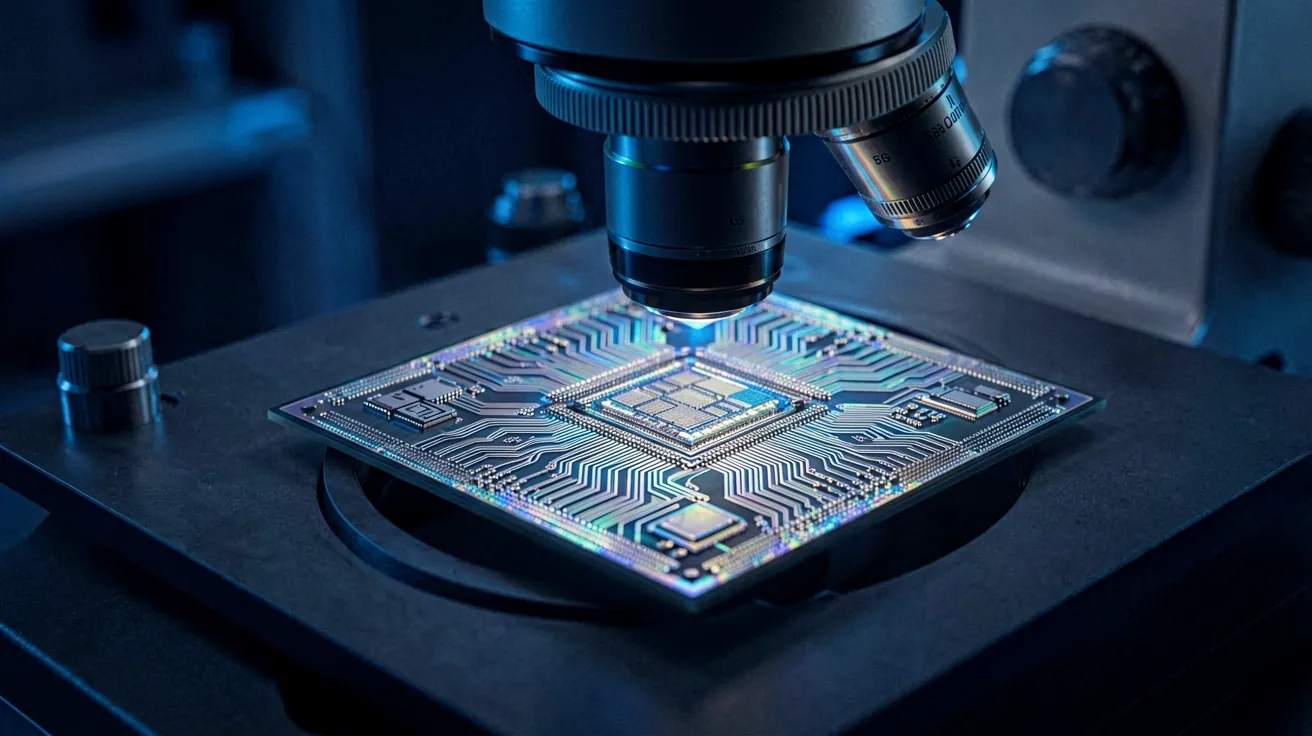
A pericentric build is quoted from five inputs. Part diameter and height set the field. Smallest defect you must resolve sets the pixel density, and pixel density sets the sensor. Machine envelope and working distance set the mechanical envelope of the assembly. Finally, tact time tells us whether a single exposure is fast enough or whether the illumination also has to be specified.
Send those five numbers and the first pass comes back within 48 hours — drawings under NDA if you prefer, and the NDA is signed before drawings move in either direction.
The output is not a data sheet row but a computed relationship: for your part, at your defect size, on your sensor, this is the pixels-per-millimetre at the worst azimuth of the annulus. That number decides whether the project is feasible on the mount you have or needs a different camera.
Where the part geometry is fixed and the volume is real, the same build moves from prototype to mass production on a written 60-working-day commitment, with repeat orders at 30 days.
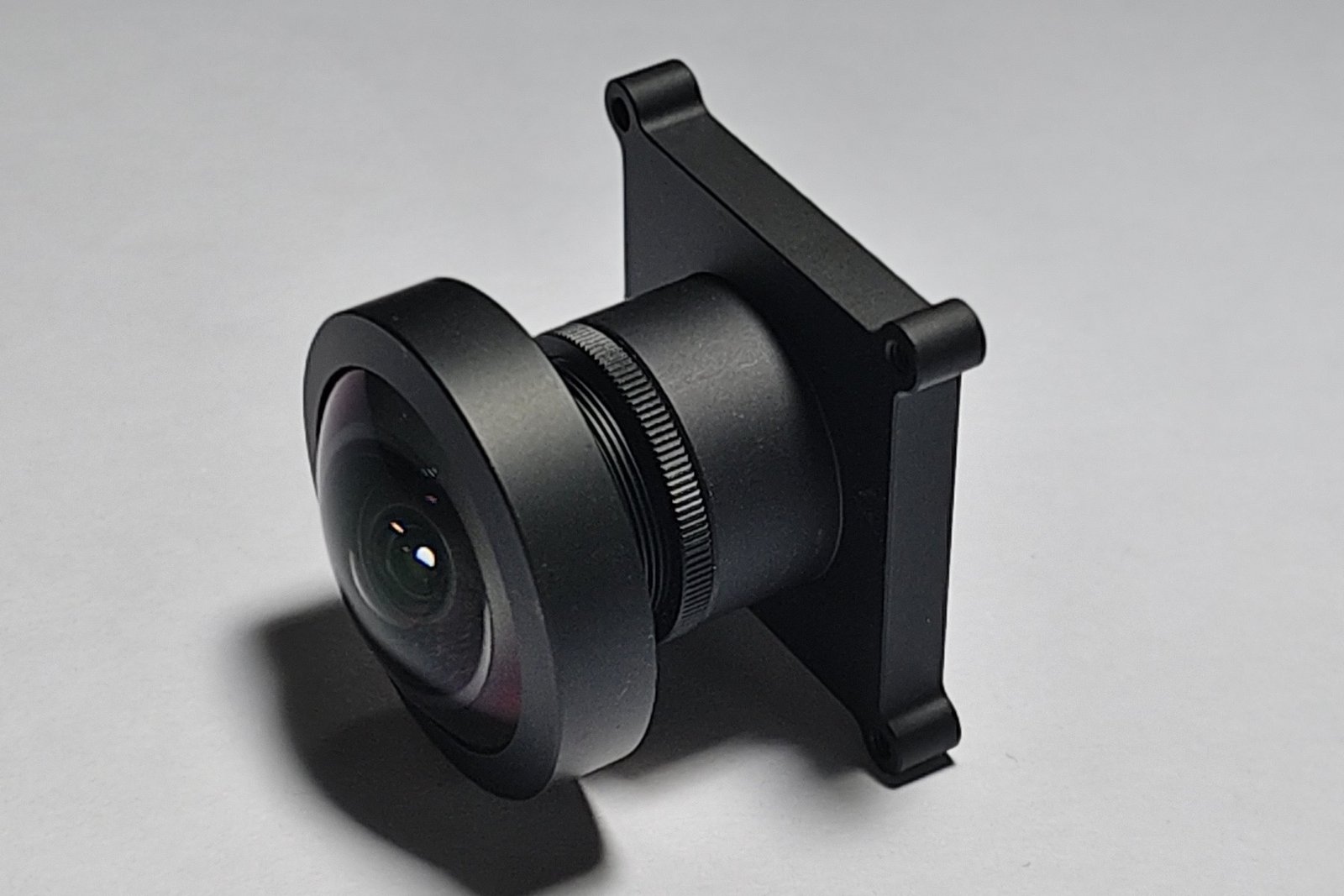
Not every wide request is a 360° request, and the family line runs wider than the panoramic builds. The MJ7208B and MJ7209A wide-angle models appear in application photography and scene-imaging work, where a very wide field on a 1" or 1.12" class sensor is the requirement. Their specs sit on the wide-angle lens family page, separate from the fisheye sheet.
They are not extra rows on the official 14-SKU LMMJ fisheye sheet, and we do not present them as such. When the task is scene coverage, the catalog fisheye SKUs are the honest recommendation; when the task is cylinder geometry, the pericentric build is the only one that measures.
Getting this boundary right is what keeps a project on schedule. A team that buys a wide-angle lens hoping to measure a circumference spends weeks learning that pixel density at the edge of a rectilinear image is not the pixel density a defect call needs.
If the geometry is ambiguous, send the part drawing and the defect definition. It takes one engineer an hour to say which family applies, and that hour is free.
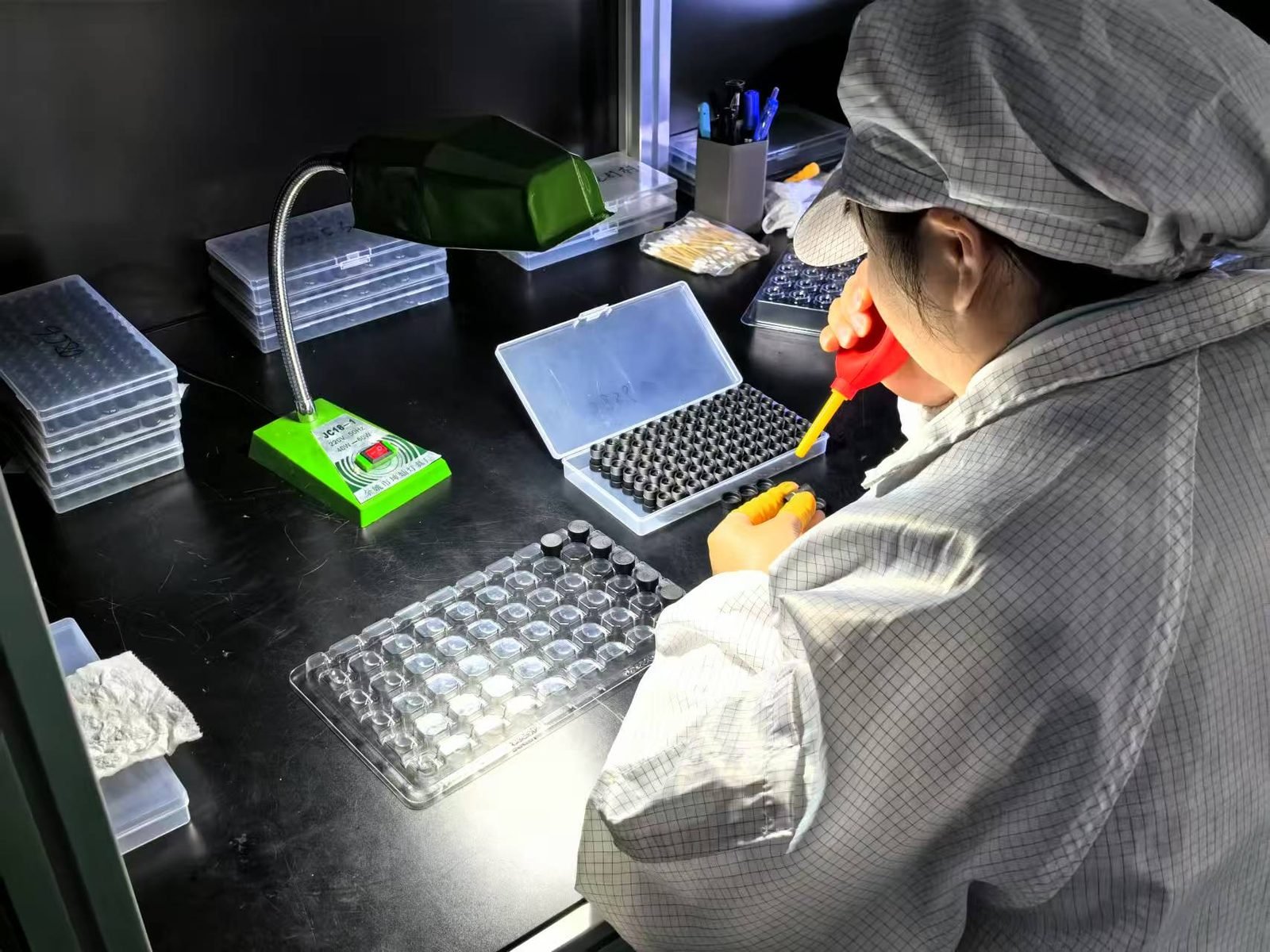
Every batch ships with test documentation covering the agreed family parameters — typically MTF, distortion, BFL and DOF — plus the batch number, test conditions, inspection coverage and an explicit pass or fail judgment. The report is default, not a special request.
For folded-path builds the alignment step matters more than for a straight barrel, because the mirror geometry and the imaging optics have to agree on an axis. Centration and focus position are measured on Trioptics instruments, and the reflective elements come off the same polishing and coating line as the prism products.
Sub-assemblies that need it go through closed-loop active alignment in the micron class, and sealing follows the duty the part will see — hermetic packaging and IP67 or IP68 when the specification calls for it, assembled in Class 10,000 cells.
On-site audits and scheduled video factory tours are welcome at any point, which is usually the fastest way for a new optical project to clear its internal risk review.
If your inspection problem is a cylinder, the fastest path is a part drawing and a defect definition. Send both and the specialty optics team will tell you — before any quotation — whether the geometry works on a single camera, and what the pixel budget looks like at the worst azimuth.
It images the full 360° side wall of a cylindrical part in one exposure: pharma caps, threaded fasteners, cans, tubes, battery cells, ampoules and machined cylinders. It replaces a rotation stage or a multi-camera stitching setup.
No. A fisheye images a wide solid angle in front of the camera — useful for scene coverage. A pericentric or catadioptric build folds light around an on-axis part so the side wall is imaged directly.
The official 190°–220° M12 board lenses: LMMJ7028A, LMMJ7018A and LMMJ7058A on the panoramic family page. Pericentric side-wall builds are quoted per part and are not catalog rows.
Pixels per millimetre is computed from part diameter, part height, the smallest defect size and the sensor format, then checked at the worst azimuth of the annulus. It is never guessed from a catalog table.
Geometry and defect size are enough for a first pass. Drawings can follow under NDA — the NDA is signed before drawings move, and the feasibility first pass comes back within 48 hours.
Yes, when the specification calls for it: hermetic packaging and IP67 or IP68 duty are assembled in Class 10,000 cells, with the sealing validated for the intended environment.

Matched pairs, not random lenses: the optics behind stereo depth accuracy and laser line profiling, with per-pair verification records.
read more…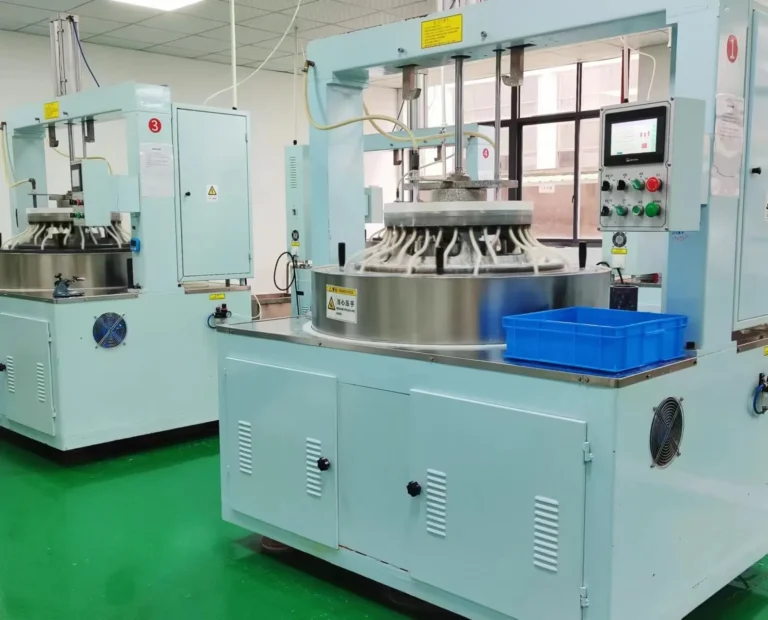
Eleven prism and planar-optics types on one line: how each is specified, what drives cost, and where 7-day sampling fits.
read more…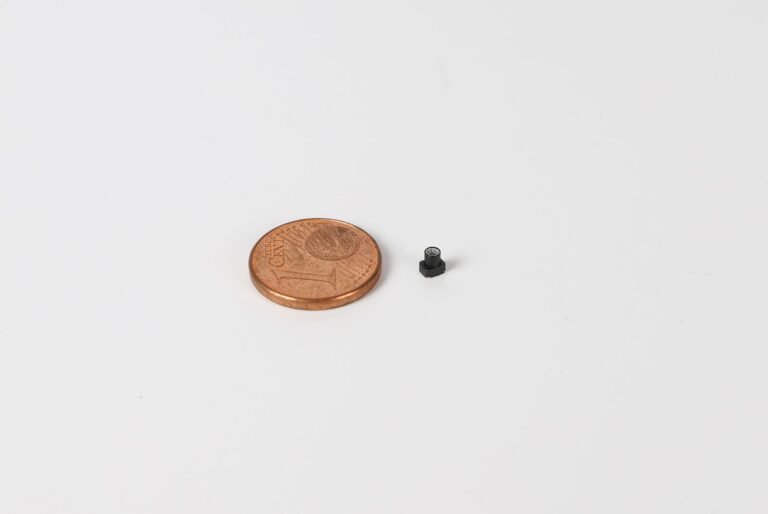
Four numbers pick the model: field of view, tube diameter, total track length and the matched sensor. The six catalog industrial models explained.
read more…