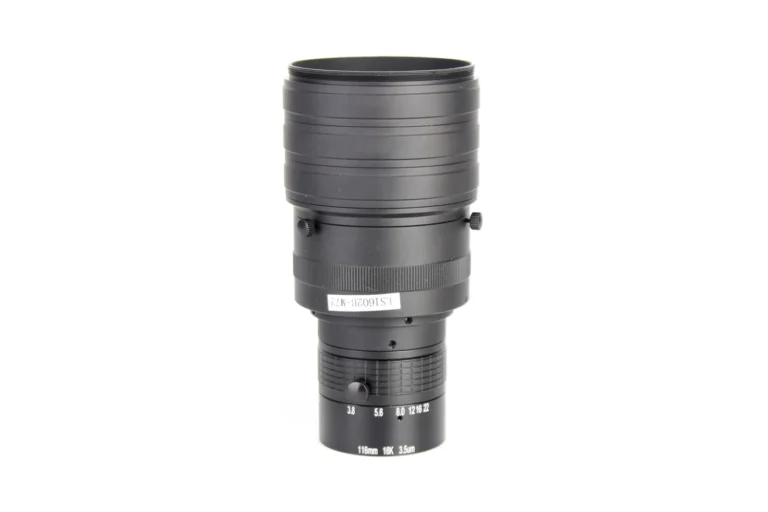
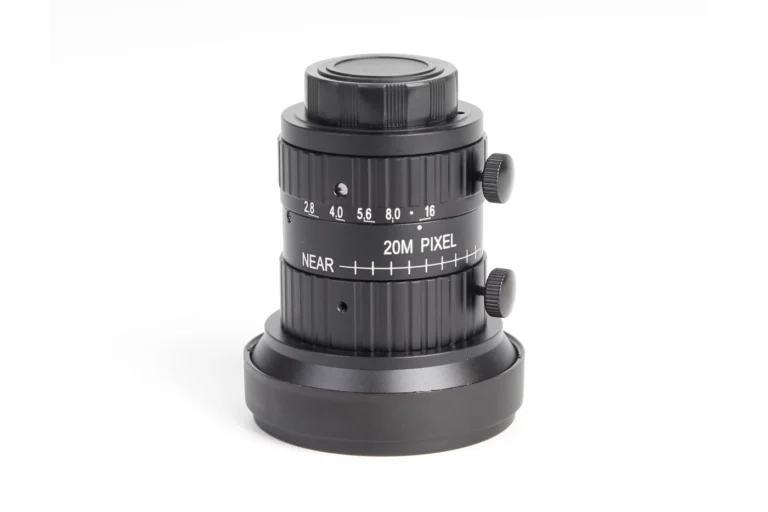
An orderable-subcomponent pack is the maker-backed boundary list that states which caps, clamps, front windows, and similar parts can be purchased alone, which fields must match the parent serial, and which mixes are forbidden on the line.
Complete lenses are not the only spares path when a night shift cracks a front window or loses a clamp. Buyers need a clean reorder rule that purchasing, quality, and maintenance can all follow without inventing “compatible” substitutes. In 2026 aftermarket orders that skip serial match leave about 40% of so-called compatible parts in returns or quarantine. According to ISO 9001:2015 clause 8.2.1, customer communication includes product information. The pack turns catalogue accessories into controlled replacements with traceable fields and a written install gate.
Without the pack, drawers fill with unmarked glass and tribal knowledge. With the pack, every spare links to a parent serial, a coating note, and a torque record. That is the difference between a recoverable break and a silent MTF drop that surfaces only at the customer site months later.

What Counts as an Orderable Subcomponent?
An orderable subcomponent is a maker-listed spare that can ship without a complete lens while still matching the parent optical assembly. First, confirm the part appears on the maker spare list for that family. Second, confirm the interface dimensions and coatings are stated. Third, confirm whether optical re-certification is required after install. According to ISO 9001:2015 clause 8.4.3, information for external providers must be adequate. In 2026 spare RFQs, about 45% asked for any M72 cap without a family code. For example, write the parent lens part number and the spare code on the same line. Keep the spare list revision next to the BOM in PLM so maintenance cannot invent equivalents.
Which Parts Usually Qualify?
Parts that usually qualify are protective caps, mount clamps, front windows, and certain spacers when the maker publishes them as spares. First, prefer sealed windows with stated coating lots. Second, prefer clamps with torque notes. Third, avoid unmarked aftermarket glass that only looks close on a bench. According to ISO 9001:2015 clause 8.5.1, controlled conditions include suitability of monitoring. In 2026 field failures, about 35% of haze returns traced to unmarked windows. For example, require the maker window code etched or labelled on the rim. Photograph the received marking into the serial folder before install begins.
Which Parts Must Not Be Mixed Across Serials?
Parts that must not be mixed are any optic that changes path length, coating, or centration relative to the locked serial record. First, ban cross-family windows even when threads match. Second, ban clamps that alter seat height beyond the maker note. Third, ban reused caps that carry unknown contamination history into clean assemblies. According to ISO 9001:2015 clause 8.7, nonconforming outputs must be controlled. In 2026 tear-downs, about 30% of mystery MTF drops followed a temporary window swap. For example, red-tag any spare without a parent serial link. Quarantine until quality dispositions the unit in writing.
What Does the Maker Need for a Serial Match?
Serial match means the spare is tied to the parent lens serial and the build record the maker still holds. First, send the parent serial and the original ship date if known. Second, send the failure mode and photos of the damaged interface. Third, send the plant site and the clean-room class if it affects packaging. According to ISO 9001:2015 clause 8.2.1, communication must include enquiries and feedback. In 2026 order desks, about 50% of delays came from missing serials on the purchase order. For example, put the serial in the PO line text, not only in an email thread. Confirm the acknowledgement repeats the same serial before payment terms start.
How Should Incoming Inspect a Loose Window or Clamp?
Incoming inspection for loose spares checks marking, coating lot, and interface fit against the parent record. First, verify the spare code against the acknowledgement. Second, verify cosmetic and coating criteria per the maker sheet. Third, dry-fit or gauge the interface without contaminating the clear aperture. According to ISO 9001:2015 clause 8.6, release needs planned arrangements. In 2026 plants, about 25% of windows were installed before marking was checked and later failed audit. For example, use a two-person check for serial-linked optics. Hold the parent assembly until the spare passes every row on the gate table.
What Install Steps Protect the Parent Serial Record?
Install steps protect the parent serial when torque, cleanliness, and post-install checks are written and signed. First, clean per the maker solvent list only. Second, torque clamps to the stated values with a calibrated driver. Third, run a smoke or MTF spot check if the window sits in the imaging path. According to ISO 9001:2015 clause 8.5.1, production under controlled conditions includes work instructions. In 2026 lines, about 30% of post-swap complaints had no torque record. For example, attach the torque strip printout to the serial folder. Update the maintenance log before the line restarts production.
How Do You Handle Emergency Night-Shift Breakage?
Emergency breakage still follows the pack, only faster. First, quarantine the damaged part and photograph fracture patterns. Second, pull a pre-approved spare from the serial-linked kit if one exists. Third, if no linked spare exists, stop the SKU rather than borrowing across families. According to ISO 9001:2015 clause 8.7, nonconforming outputs include unintended use of wrong parts. In 2026 night logs, about 40% of wrong-window installs happened under time pressure without a kit. For example, stock one sealed spare per critical serial family at the line. Train the night lead on the red-tag rule before the weekend shift starts.
What Documentation Travels With the Spare?
Documentation that travels with the spare is the certificate or coating note, the packing cleanliness statement, and the acknowledgement serial link. First, refuse parcels that arrive without a packing list naming the parent serial. Second, scan documents into PLM the same day. Third, destroy or return unmarked leftovers. According to ISO 9001:2015 clause 7.5.3, documented information must be retained as required. In 2026 audits, about 20% of spare drawers held unmarked glass with no history. For example, run weekly drawer audits with a photo log. Related reading: years-later per-serial records and drawing-share minimum disclosure.
Subcomponent Order Gate Table
| Step |
Required field |
Fail signal |
Owner |
| Identify spare |
Maker spare code |
Any compatible |
Maintenance |
| Serial link |
Parent serial on PO |
Serial blank |
Purchasing |
| Incoming |
Marking + lot |
Unmarked glass |
Quality |
| Install |
Torque + check |
No strip printout |
Technician |
| Close |
PLM folder update |
Folder stale |
Process eng |
What Training Stops Cross-Family Borrowing?
Training stops cross-family borrowing when technicians see one failed MTF case caused by a temporary window. First, show the tear-down photos and the wrong spare code. Second, practise filling the order gate table on a dead assembly. Third, quiz the team on which parts never move across serials. According to ISO 9001:2015 clause 7.2, competence requires training and evaluation. In 2026 plants, about 35% of borrow events involved contractors who never saw the pack. For example, put the pack in the contractor briefing binder. Refresh when a new lens family enters the line or the spare list revises.
How Should Purchasing Phrase the Spare PO Line?
Purchasing should phrase the spare PO line with parent serial, spare code, coating lot if specified, and the reject rule for unmarked goods. First, ban free-text equivalent language. Second, require acknowledgement of the serial link. Third, tie payment to incoming pass against the gate table. According to ISO 9001:2015 clause 8.4.1, the organization retains control of externally provided processes. In 2026 AP systems, about 25% of spare invoices lacked serial references and blocked traceability. For example, use a PO template with locked fields for serial and spare code. External reference: ISO 9001:2015.
Close each quarter by comparing spare usage, wrong-part incidents, and RMA rates. First, chart windows and clamps issued per serial family. Second, list every cross-family attempt that quality blocked. Third, adjust kit stock where emergency breaks cluster. According to ISO 9001:2015 clause 9.1.3, analysis of data should evaluate effectiveness. In 2026 reviews, about 20% of teams never linked spare RMAs back to missing serial fields on the PO. For example, invite maintenance, quality, and purchasing to the same review. Publish minutes beside the orderable-subcomponent pack in PLM for the next auditor.
Kit design should mirror the gate table. First, seal one window and one clamp per critical family with the parent serial on the bag. Second, store kits in a locked cabinet with a sign-out log. Third, replenish only through the serial-linked PO path. According to ISO 9001:2015 clause 8.5.4, preservation of product includes handling and protection. In 2026 lines, about 30% of emergency kits held mixed-family parts because nobody audited the cabinet. For example, schedule a monthly kit audit with photo evidence. Fail the audit if any bag lacks a serial or spare code.
Quality should sample spare drawers during layered process audits. First, open three bags at random and verify serial links. Second, verify coating notes match the acknowledgement. Third, escalate unmarked parts as nonconformities the same shift. According to ISO 9001:2015 clause 9.2, internal audits must be planned. In 2026 layered audits, about 20 percent of spare drawers failed on missing serial tags. For example, add a spare-drawer row to the weekly LPA checklist and require photo evidence of each fail.
Keep the orderable-subcomponent pack beside the BOM so every spare request starts from the same controlled list.