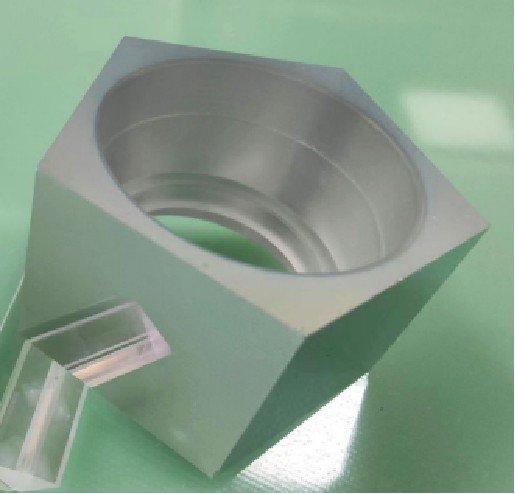
LED Flicker After Power Supply Swap: Lighting Specs That Match Camera Exposure
LED flicker after a power supply swap is an electrical-to-exposure matching miss. Lock lighting electrical specs to the camera exposure plan before the next...
read more…
Stop the next run and ask for three records before more elements are cemented and coated. First, one failed lens opened and photographed so the haze is located: between which two elements, how far it reaches in from the edge, and whether the coating shows any pitting. Second, a cemented pair from the same batch exposed to the condition your line actually runs, not a generic humidity chamber, and photographed against a dark background under low-angle light before and after. Third, the paperwork for that pair: the cement lot and its date, the cure record, the edge sealing step, and the cleanroom assembly record. A test report that covers MTF and distortion does not release the rest, because those tests pass on a lens that is already hazing internally.
A milky veil between elements is an internal problem. Surface dirt can be wiped away in the field; a haze that sits between two pieces of glass cannot. Where it sits tells you which process to attack. Haze that begins at the edge of a cemented pair and creeps inward points to moisture reaching the joint, which is a sealing and cement question. Haze spread evenly across the cement layer, with no edge gradient, points at the cement itself or the way it was cured. A coating that looks etched or pitted, rather than veiled, points at the chemistry the lens is exposed to, attacking the coating rather than the cement.
So open one returned unit instead of replacing it quietly. Photograph the edge of the cemented group with a macro lens, then photograph the whole element under a low-angle light against a dark background, because that is the geometry where haze actually shows. Write the serial or batch number on the photo and keep the unit. A lens that has been cleaned, refitted and put back on the line has thrown away the only evidence you have about the batch.
The most common reason a maker cannot reproduce your failure is that they tested “humid conditions” while your line is doing something more specific. Washdown chemistry, the sanitiser used, how often the line is rinsed, whether the lens sees a warm wet phase followed by a cold dry phase, and whether the station sits under a drip line all matter more than a humidity percentage. Put the actual condition in writing, with the name of the cleaning agent and the shift pattern, and send it with the returned unit.
Then ask for the reproduction on that basis. If your line runs a caustic wash followed by a rinse and a cool-down overnight, the test pair should see the same sequence, repeated the way your shifts repeat it. A pair that passes a steady damp box and fails your actual cycle is a different result from a pair that survives both, and the difference decides whether the fix is the cement, the seal, or the housing.
Take two elements from the same lot that failed, cement them the way the production line cements, and put that pair through your written condition. Photograph it under low-angle light before and after, against the same background, so the comparison is honest. Then do the part most makers skip: separate the pair and photograph the two facing surfaces. If the cement has released one surface cleanly, you can see where the moisture travelled; if the cement has gone cloudy in place, the problem is in the cement or the cure; if the glass itself shows a bloom, the problem is chemistry attacking the surface.
Keep both halves of the separated pair, tagged with the lot. This is the sample that ends the conversation, in the same way a cut hinge section ends a dispute about metal thickness. It also gives the maker something to work against when they change the process, and it gives you a baseline for the next batch, which is the one you will be inspecting in two years.
The drawing does not change between two batches whose field behaviour does. What changes is the cement lot, the cure schedule, and the edge treatment. Cementing glass to glass is an old idea, and the material has moved on: the reference on Canada balsam describes the natural resin that was traditionally used as an invisible glue for glass, and today the joint is made with a synthetic cement whose cure and edge treatment decide whether moisture ever reaches it. So ask, for the exact pair in the test: which cement and which lot, when it was mixed, what the cure was and how it was recorded, and what was done to the edge of the joint afterwards. The edge is where moisture gets in first, and a sealing step that was shortened on a busy week is invisible in a photograph of the finished lens.
Assembly conditions belong in the same answer. This factory runs cementing inside the assembly area with controlled particle counts and does the alignment and metrology in house, which is precisely the reason those records should exist and be available. When a lens is cemented by a subcontractor, the same three questions go to that subcontractor, and the answer should arrive as their record rather than as a summary sentence.
If any of the three answers changes, treat the batch as new. A new cement lot is not automatically a problem, but it is a variable, and the pair from the previous lot is no longer evidence about the lens sitting in front of you.
Test reports that ship with each batch cover the parameters both sides agreed: MTF, distortion, back focal length, depth of field, with conditions and a pass or fail call. Keep requiring them, because they catch alignment and assembly mistakes. Understand what they do not catch: a lens whose cement will haze in eighteen months passes all of them on the day it is tested, because the mechanism has not started yet.
So add a check of your own at goods-in that costs almost nothing. Put each unit under a low-angle light against a dark background before it goes into the rack, and compare the batch against one unit you keep sealed and one unit you keep in the plant as controls. Over a year, the control that lives next to the machine tells you how your environment treats this design, and the sealed control tells you what the lens did on its own. That pair of controls is the earliest warning you will get, and it is built from stock you already own.
These checks also make the next purchase easier, because the environment input in lens selection stops being an abstract line. Once you know what your washdown cycle does to a specific design, that knowledge goes into the specification for the next station. The family that feeds this kind of failure most often is the fixed-focus industrial line, which is worth reading before the next order: the C-mount FA lens range lists the models and the distortion figures that matter for gauging, and the specifications for a sealed assembly need to match the housing, the focus lock and the seal together.
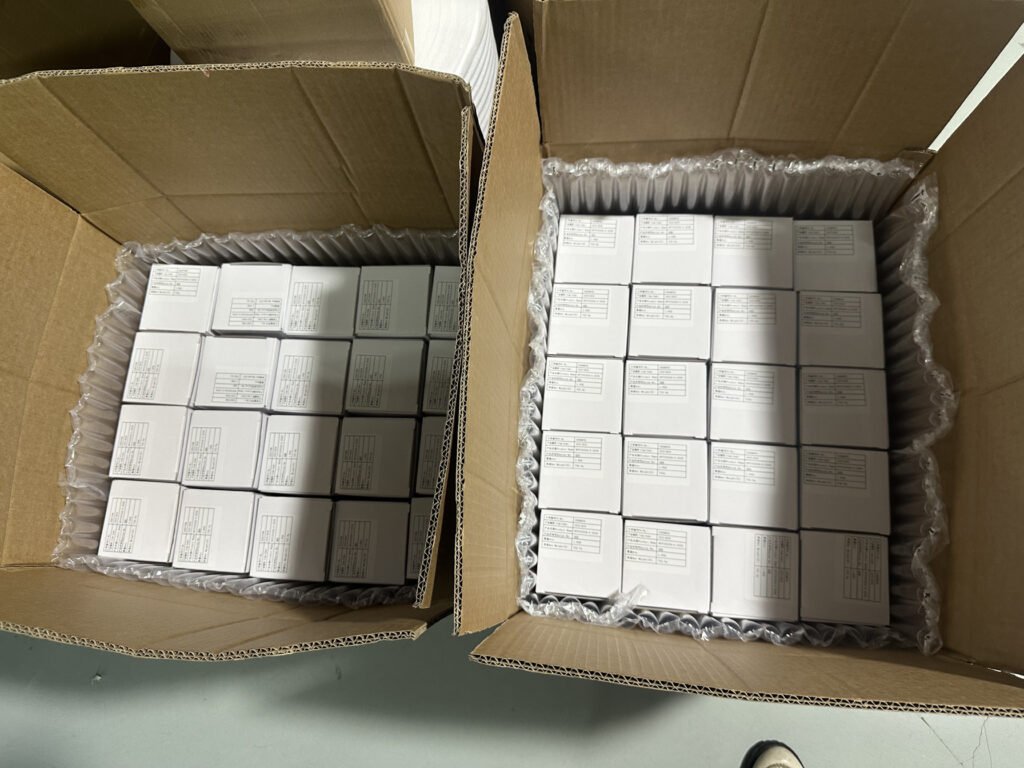
A lens that leaves a warm factory on a humid day and spends a month at sea arrives with a history, and part of that history is moisture sitting inside the packaging. Ask for desiccant in the box, a sealed barrier bag, and the carton photographed closed with the batch number visible, so the packing step is on record. If the assembly is specified as sealed or rated for dust and water, the seal itself is a documented build step, and the documentation should say which units carry it.
Then check the packaging on arrival rather than after installation. A wet bag, damp desiccant, or condensation marks inside the barrier are all early warnings that the units have been sitting in moisture before they ever reached your line, and that is the clock you are trying to stop. If the housing is meant to take over the protection, the incoming check moves to the housing and the seal around the window.
Send one message to the person who can hold the run. Name the order and the batch. Say the first shipment was clean and the same part number hazed internally on a washdown line, and state the hold in one sentence: no more elements cemented or coated until you have the three records. Name them. First, the opened failed unit, photographed so the haze is located between specific elements and the edge creep is visible. Second, a cemented pair from the same lot conditioned to your written washdown cycle and photographed before and after, then separated and photographed again. Third, the cement lot, the cure record, the edge seal step and the assembly record for that pair.
A release is your note that the conditioned pair stayed clear under your condition, that the records match the pair tested, and that the batch that ships carries the same cement lot and the same sealing step. A humidity test on a generic chamber, a fresh MTF report and a promise to use better material do not release the hold.
Keep the separated pair, the control units and the photos in the order folder with the batch numbers, and note which unit is sealed and which one lives on the machine. That pair of controls is what turns the next complaint from an argument into a measurement, and the cost of keeping it is one lens.
If the fix turns out to be a design change rather than a process one, the route is the custom side of the house: custom optics work goes from drawing or sample to a new assembly, and the acceptance criteria from this investigation become the drawing notes for the next build.

LED flicker after a power supply swap is an electrical-to-exposure matching miss. Lock lighting electrical specs to the camera exposure plan before the next...
read more…
A telecentricity bench proof pack is the acceptance file that turns a datasheet telecentric claim into measured magnification-versus-object-distance curves and written reject limits before...
read more…
An illumination pupil pack is the optical data set that tells a lighting designer where the lens aperture stop and entrance pupil sit before...
read more…