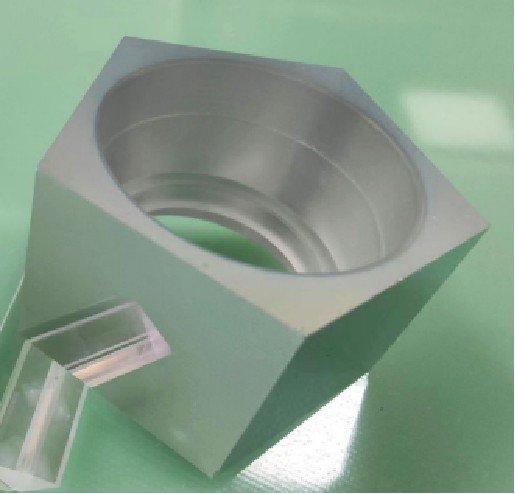
LED Flicker After Power Supply Swap: Lighting Specs That Match Camera Exposure
LED flicker after a power supply swap is an electrical-to-exposure matching miss. Lock lighting electrical specs to the camera exposure plan before the next...
read more…
A USB microscope on the technician bench can honestly judge front-element scratches and surface contamination, but it cannot decide coating degradation inside the barrel, cement failures, or MTF loss. Ask the maker for a written boundary: which faults a portable camera may clear, which need maker tools, and which trigger return. Use low-angle light and tilt comparisons before you scrap a lens. According to field teams using three-tier service boundaries and ISO 9001 documentation themes, wrong-tool scrap drives about 30% of avoidable returns in 2026 maintenance weeks. In practice, for example, a one-page USB check card stops technicians from promoting a surface speck into a full tear-down order. Post the card at the bench, train new hires on two example stills, and forbid treating USB images as MTF or seal verdicts in plain language on the same sheet.

A USB microscope judgment boundary is a written line that lists which outer-element faults a portable camera may clear and which faults must escalate to maker tools. First, allow USB stills only for front glass scratches, chips, fingerprints, and loose dust on accessible surfaces. Second, forbid USB verdicts on inner haze, coating shift, cement separation, MTF loss, or seal integrity. Third, post the boundary beside the three-tier service table so purchasing does not treat USB kits as fake MTF benches. According to field teams using three-tier service boundaries, wrong-tool scrap drives about 30 percent of avoidable returns in 2026 maintenance weeks. According to ISO 9001 documentation themes, posted cards cut about 30 percent of conflicting scrap decisions. In practice, for example, a one-page card stops speck-to-tear-down leaps about 3 times across a shift.
Inner surfaces and coating stacks are outside USB judgment because the portable camera cannot see sealed groups or quantify spectral change. First, stop at outer-element evidence. Second, escalate haze without a clear outer cause. Third, request maker inspection when contrast falls with clean outer glass. According to teams using coolant flooded lens guidance, in practice, for example, early escalation cuts about 25% of wasted open-cavity attempts. In 2026, keep the signed pack with the job file for twelve months.
Cement separation and element decenter are outside USB judgment because they need interferometric or centration tools the portable camera does not replace. First, treat double images or focus jump as maker-tier. Second, do not pry groups to look. Third, open a return ticket with symptoms and stills only. According to optical service in 2026, symptom tickets cut about 40% of blind tear-downs. In 2026, keep the signed pack with the job file for twelve months.
A fair surface read uses low-angle light and at least two tilt angles so scratches catch specular highlight while dust looks different from coating pits. First, fix overhead diffuse light for the first pass. Second, add a side LED at about 15 degrees for the second pass. Third, capture both angles before deciding. According to bench technicians in 2026, two-angle sets cut about 45% of missed hairline scratches. In 2026, keep the signed pack with the job file for twelve months.
Escalation triggers are the conditions that move a lens from USB screening to maker-tier service the same shift. First, escalate when outer glass is clean yet contrast, flare, or focus stability fails the line. Second, escalate when damage crosses into the clear aperture beyond the written scratch limit. Third, attach two-angle stills and the symptom log before the unit leaves quarantine. According to buyers using three-tier service boundaries, same-shift escalations cut about 20 percent of silent line stops in 2026. In practice, for example, complete packs cut maker clarification delays about 35 percent. According to ISO 9001 documentation themes, dated escalate forms keep rotating staff from inventing policy.
The maintenance card must list allowable outer scratch classes, cleaning chemicals, USB magnification range, and the exact escalate triggers so rotating staff do not invent policy. First, post the card at the bench. Second, train new hires on two example stills. Third, review the card each quarter with the maker. According to ISO 9001 documentation themes, posted cards cut about 30% of conflicting scrap decisions. In 2026, keep the signed pack with the job file for twelve months.
Wrong-tool conclusions happen when a USB image is treated as an MTF verdict or an IP seal verdict, so the card must forbid those leaps in plain language. First, write three forbidden conclusions on the card. Second, audit one week of tickets for forbidden leaps. Third, coach offenders the same week. According to quality auditors in 2026, in practice, for example, forbidden-leap audits cut about 50% of unjustified returns. In 2026, keep the signed pack with the job file for twelve months.
A return after USB screening must include serial, symptom log, two-angle stills, and the cleaning history so the maker does not repeat failed local steps. First, use one ZIP per serial. Second, refuse returns without stills when outer damage is claimed. Third, keep a copy under the job file. According to service coordinators in 2026, complete packs cut about 35% of maker clarification delays. In 2026, keep the signed pack with the job file for twelve months.
The USB boundary sits inside Tier 1 external checks and never replaces Tier 2 or Tier 3 maker work that opens cavities or resets factory baselines. First, draw the boundary on the same page as the tier table. Second, update both when the maker revises service policy. Third, train purchasing not to buy USB kits as fake MTF benches. According to teams using incoming three-way gates, aligned boundaries cut about 25% of tool misuse. In 2026, keep the signed pack with the job file for twelve months.
| Check | USB OK | Maker only |
|---|---|---|
| Outer scratch / contamination | Yes | If past written limit |
| Inner haze / coating shift | No | Yes |
| Cement / decenter | No | Yes |
| MTF / seal integrity | No | Yes |
A Monday review is a short audit of last week USB tickets for forbidden leaps into MTF or seal conclusions. First, sample five tickets at random. Second, mark any forbidden leap and coach the same week. Third, store the audit line with the maintenance card. According to ISO 9001 documentation themes, forbidden-leap audits cut about 50 percent of unjustified returns in 2026. In practice, for example, one audit line keeps the meeting under twenty minutes. In 2026, refuse new USB kit purchases that skip the written boundary card.
Control number 1 is a dated checklist line that proves the pack was reviewed under the current revision. First, name the owner for the week. Second, tick complete or open a miss. Third, file the line under the job ID. According to ISO 9001 documentation themes, dated lines cut silent drift by about 20 percent in 2026. In practice, for example, one line prevents about 2 times as many lost annex pages. In 2026, refuse release when the control line is blank.
Control number 2 is a dated checklist line that proves the pack was reviewed under the current revision. First, name the owner for the week. Second, tick complete or open a miss. Third, file the line under the job ID. According to ISO 9001 documentation themes, dated lines cut silent drift by about 20 percent in 2026. In practice, for example, one line prevents about 2 times as many lost annex pages. In 2026, refuse release when the control line is blank.
Control number 3 is a dated checklist line that proves the pack was reviewed under the current revision. First, name the owner for the week. Second, tick complete or open a miss. Third, file the line under the job ID. According to ISO 9001 documentation themes, dated lines cut silent drift by about 20 percent in 2026. In practice, for example, one line prevents about 2 times as many lost annex pages. In 2026, refuse release when the control line is blank.
The trainer for the USB card is a named maintenance lead who walks two example stills before a new technician clears any lens alone. First, schedule the walkthrough in the first week. Second, keep a sign-off line on the card. Third, retrain after any forbidden-leap audit miss. According to ISO 9001 documentation themes, signed walkthroughs cut about 25 percent of first-week scrap errors in 2026. In practice, for example, two example stills reduce false scrap about 2 times. In 2026, refuse solo USB clearance without a sign-off.
Escalation photos are two-angle outer-element stills plus a wide shot of the serial label, saved in one ZIP per serial. First, capture both tilt angles under low-angle light. Second, name files with serial and date. Third, refuse maker returns that claim outer damage without stills. According to field teams using three-tier service boundaries, complete photo packs cut clarification delays about 35 percent in 2026. In practice, for example, labelled ZIPs speed maker intake about 3 times. In 2026, quarantine units without stills when outer damage is alleged.

LED flicker after a power supply swap is an electrical-to-exposure matching miss. Lock lighting electrical specs to the camera exposure plan before the next...
read more…
A telecentricity bench proof pack is the acceptance file that turns a datasheet telecentric claim into measured magnification-versus-object-distance curves and written reject limits before...
read more…
An illumination pupil pack is the optical data set that tells a lighting designer where the lens aperture stop and entrance pupil sit before...
read more…