Spacer Rings, Varifocal or Custom Focal Length: Choosing and Documenting an Exact FOV
Answer the field of view question with the error budget, not with whichever option is easiest to buy. If a catalog lens already produces...
read more…
The usual borescope vs endoscope mix-up on industrial RFQs is a shopping-site photo. A USB drain camera is not remote visual inspection hardware. A medical flexible endoscope is not a turbine probe. The words overlap. The duty does not. This page is about industrial RVI probes and OEM endoscope camera modules — not consumer sewer cameras, even though that query is loud.
Key Takeaways
Wikipedia’s borescope entry treats the tool as an optical instrument for inspecting inaccessible spaces, typically industrial. Endoscope is the medical instrument family. In factories the labels leak. Purchasing writes “endoscope camera” for a 6 mm engine inspection and “borescope” for a 1.2 mm medical module. The drawing then gets the wrong OD, the wrong sheath, and the wrong sensor.
Auditor position: name the duty first. Industrial RVI of a bore, weld or blade is a probe problem — rigidity, abrasion, oil, heat. OEM camera-module work is a sensor-plus-objective problem — OV9734 / OV2740 / ES101 class pairing, sub-2 mm tips, 1/9-inch modules. Those are different RFQs.
If the listing mentions ear cleaning or drain pipes, it is not an industrial RVI tool.
| Parameter | Industrial borescope / RVI | OEM endoscope module |
|---|---|---|
| Duty | Machines, bores, welds, blades | Medical or industrial channel |
| Mechanics | Rigid or semi-rigid probe | Sub-2 mm objective + sensor |
| Typical ask | OD, length, IP, articulation | Sensor, OD, FOV, sterilization |
| Not this page | USB drain cameras | Consumer “ear” scopes |
Verdict — industrial borescope: Specify a probe built for oil, abrasion and a straight or steered path inside metal. Do not steal a medical flexible from a hospital catalog.
Verdict — endoscope module: Specify sensor, objective OD and whether the channel is medical or industrial. That is an optics OEM job, not a handheld inspection camera.
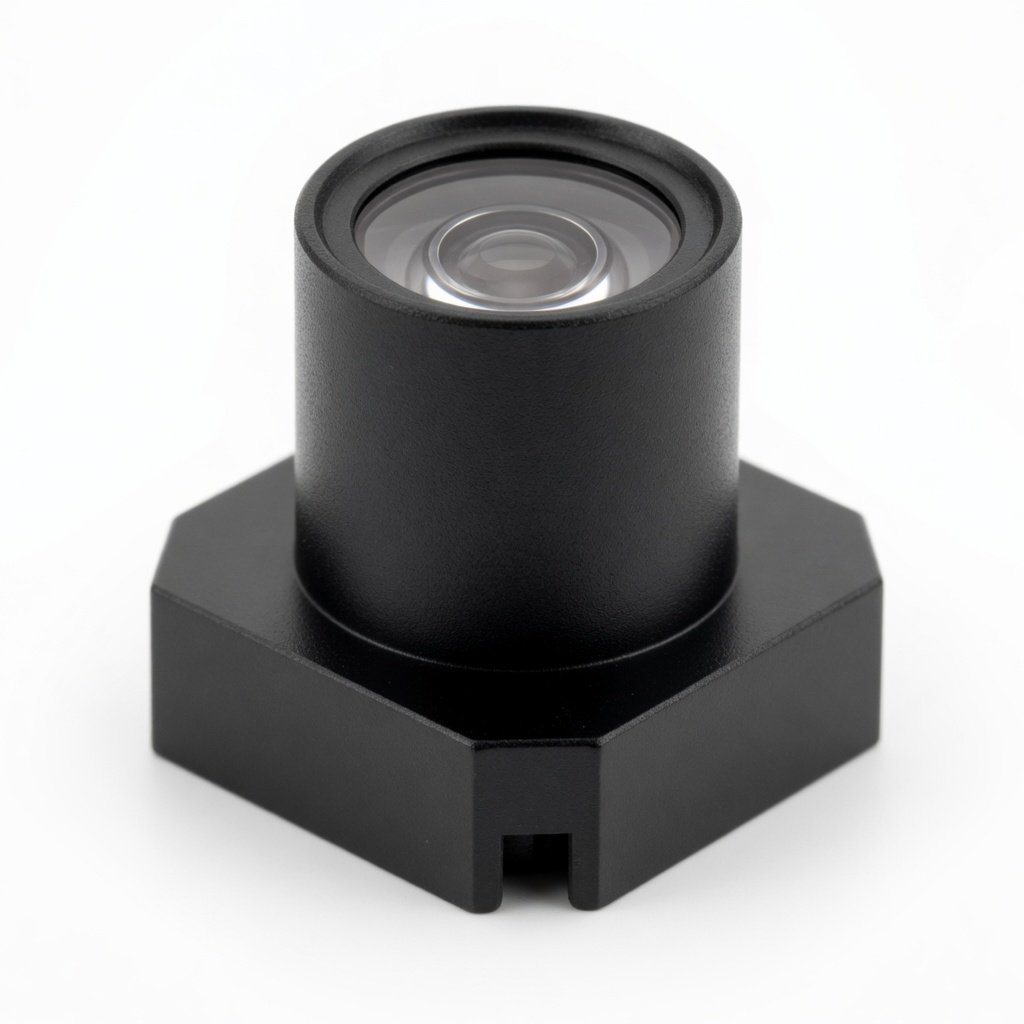
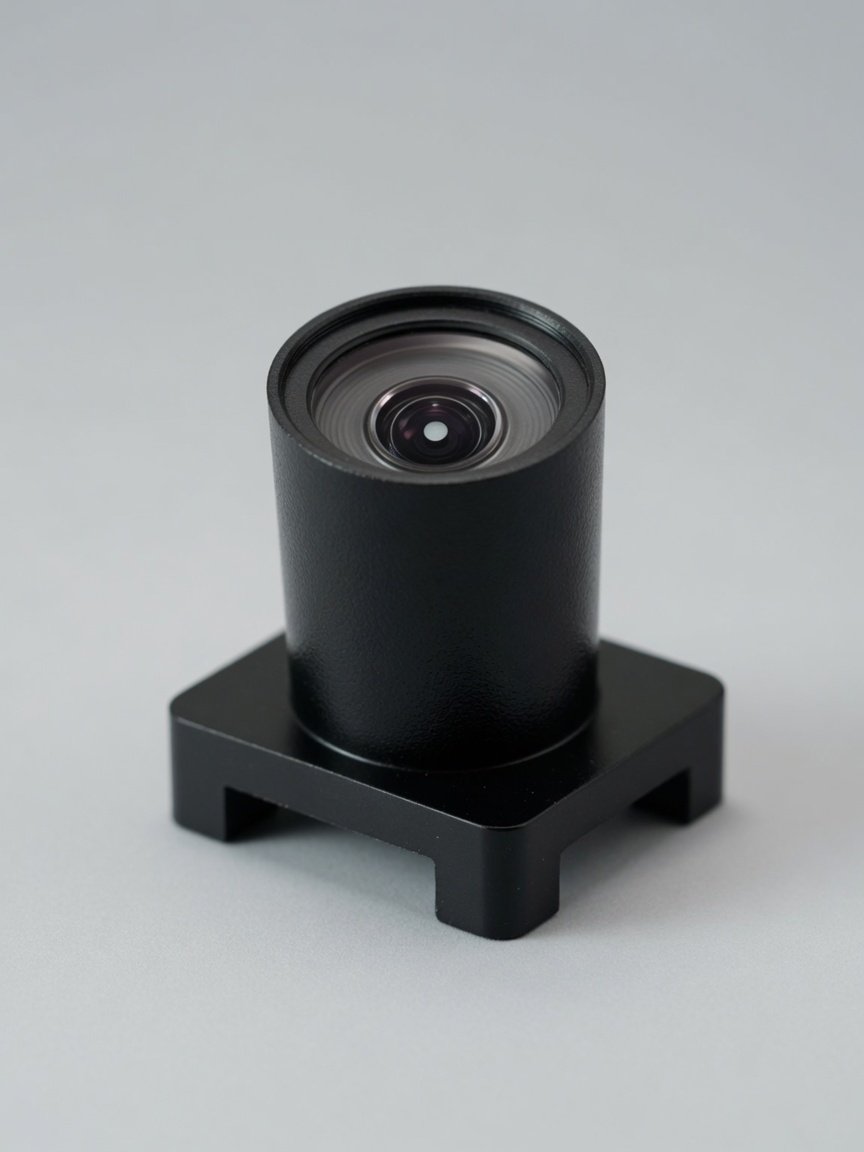
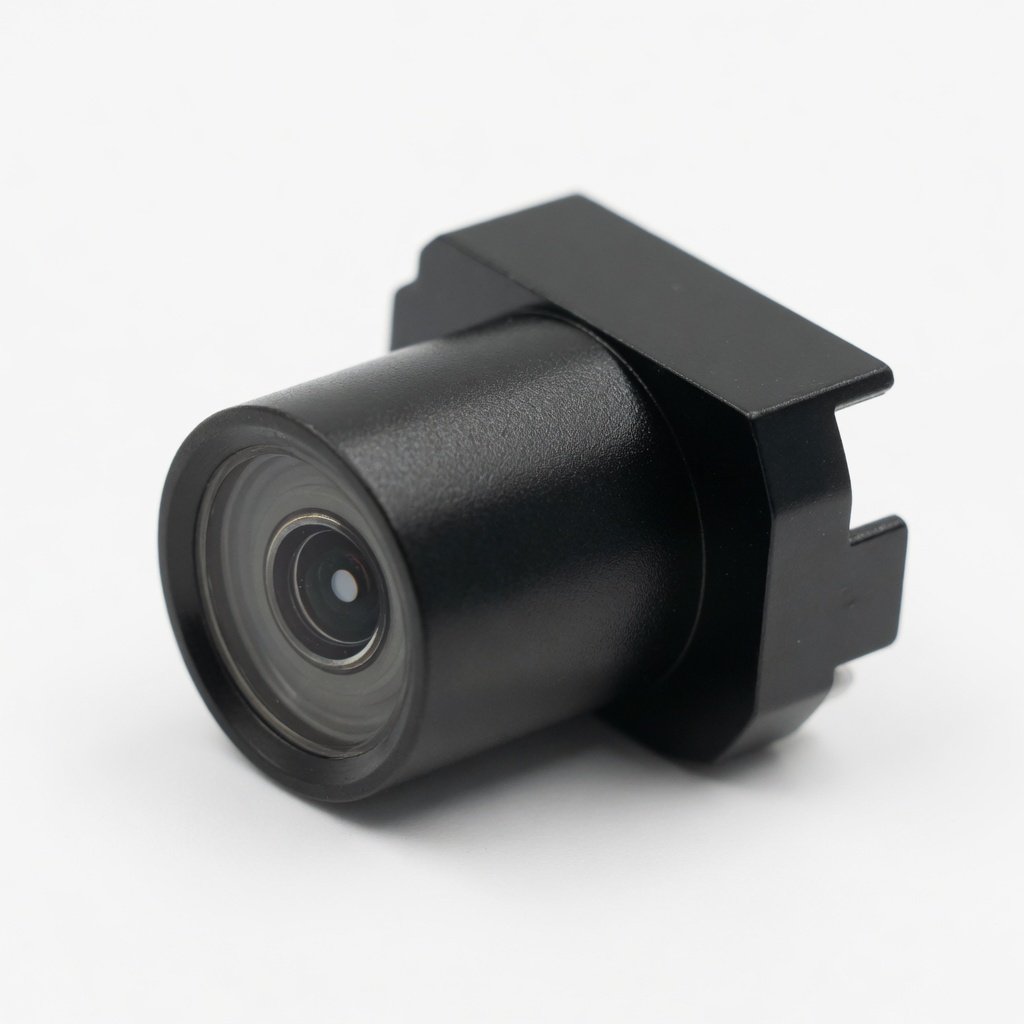
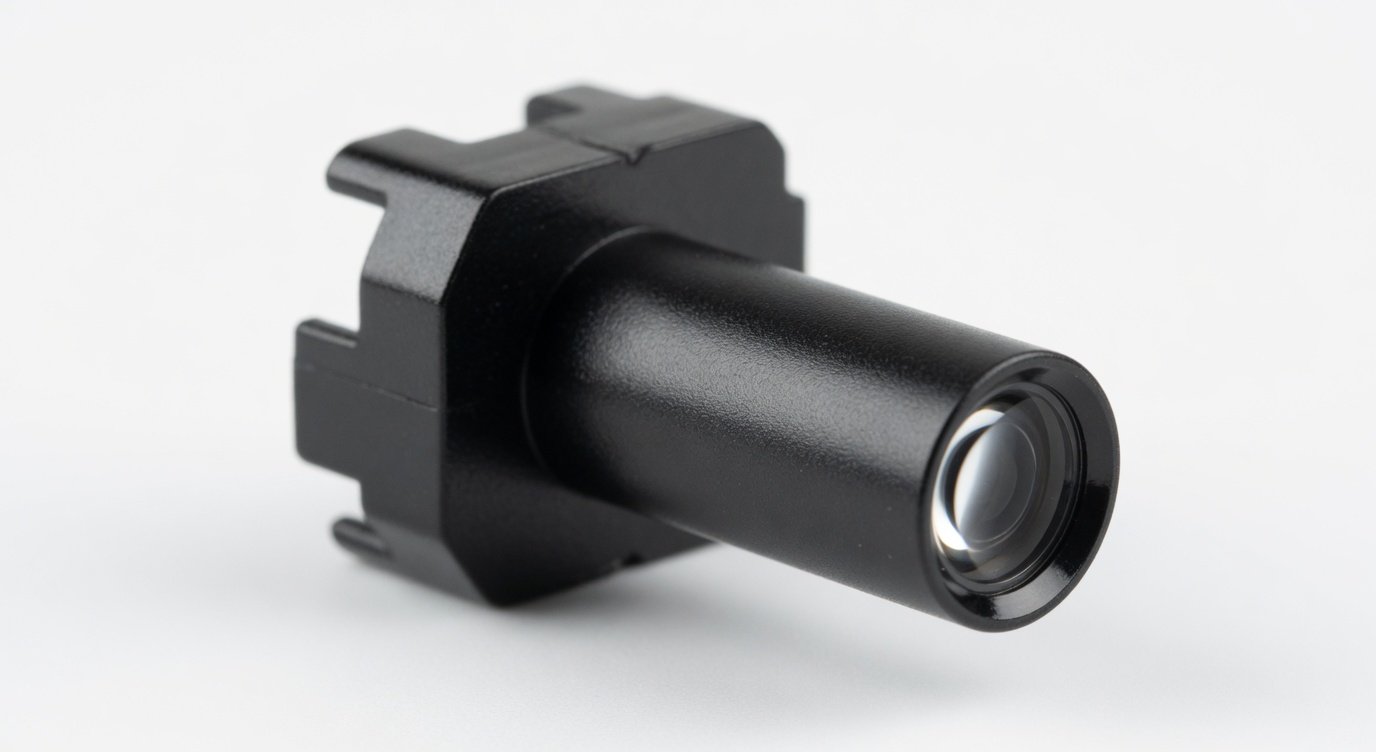
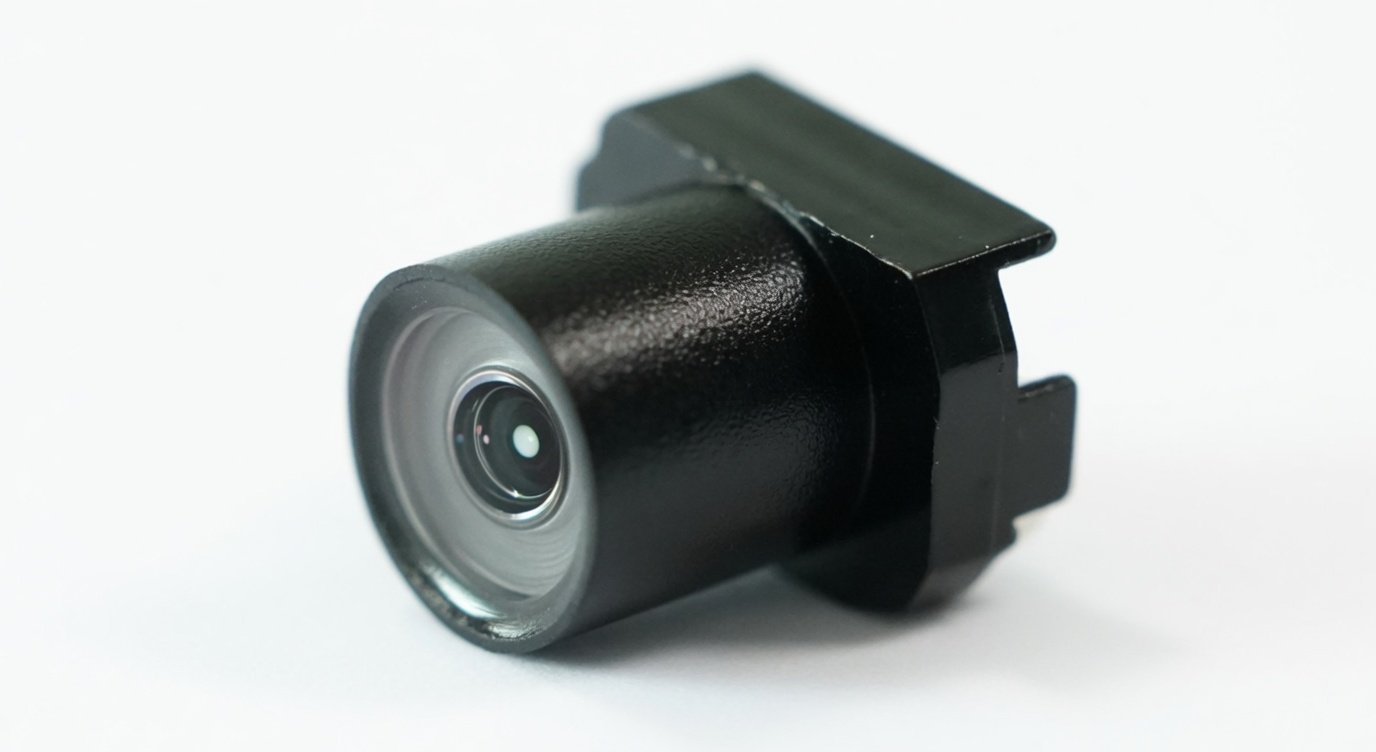
Lensmind endoscope work is medical plus industrial. The pairing cited on the site is OV9734, OV2740 and ES101 to sub-2 mm objectives, including 1/9-inch modules. If the RFQ names a sensor, the objective OD and the chief-ray match must follow that sensor, not a generic “2 mm camera.”
Sterilization is a device-level question. Autoclave, chemical, or single-use constraints depend on the finished instrument and the market. They are not implied by ISO 9001. Confirm current requirements with the relevant authority. This factory does not claim ISO 13485, FDA or CE on the site.
If you are building a module, start from endoscope lenses and send sensor, OD and environment. The machine vision lens selection guide still applies: format, distance, FOV, resolution, environment — here format is a 1/9-inch class die, not a 2/3″ FA chip.
| Best for | Not for |
|---|---|
| RVI of engines, welds, blades, bores | Consumer drain or ear cameras |
| OEM modules at sub-2 mm / 1/9-inch | A medical scope used as a cheap turbine tool |
| IP67 / IP68 when the drawing asks | Claiming ISO 13485 that is not on the site |
Class 10,000 cells are zoned for medical and harsh-environment builds. Hermetic packaging and IP67 / IP68 exist when specified. That is not a license to put a medical flexible into fuel vapour or a drain camera into a combustor.
Custom still returns first-pass feasibility within 48 hours after NDA, then 60 working days prototype to mass production if the cell is not catalog.

Illustrative RFQ. A blade inspection asked for a “medical endoscope, 6 mm, USB.” The path was a hot, oily, semi-straight bore. A medical flexible would not steer, would not like the chemistry, and would not be the right sheath. The honest rewrite was industrial RVI: OD, length, IP, rigid or steered, and a camera module specified separately if they needed a custom tip.
The other failure is stuffing a 1/9-inch medical module into a 8 mm industrial housing without checking CRA and window. Sensor pairing is the job. Housing diameter is not a substitute.
Borescope and endoscope share a camera-on-a-stick shape. Industrial RVI is a probe. OEM endoscope work is a sensor-plus-objective module. A drain camera is neither. Name OD, sensor, IP and duty. Leave consumer sewer listings off the BOM.
Key Takeaways
If you are building a medical or industrial module, send sensor and OD and stay on the endoscope family. First-pass feasibility still returns within 48 hours. If you are inspecting a machine bore, specify an industrial probe — not a drain camera and not a borrowed medical flexible.
Written by Baker Zhao, Founder at Lensmind Optics. Hangzhou factory in the Lin’an optics cluster; ISO 9001 certified 2024. Company registered 2019.
In RVI the words overlap as industrial probes. In OEM optics, endoscope usually means a small-diameter camera module; borescope means a rigid or semi-rigid industrial probe.
Not as a drop-in. Sheath, sealing and duty differ. Specify industrial RVI construction for machine interiors.
Site pairing includes OV9734, OV2740 and ES101, down to sub-2 mm objectives and 1/9-inch modules.
No. Consumer drain cameras are not industrial RVI tools and are not covered here.
No. The site claims ISO 9001 (2024) only. Device-market rules vary; confirm with the relevant authority.

Answer the field of view question with the error budget, not with whichever option is easiest to buy. If a catalog lens already produces...
read more…
Settle one question before you touch the CAD template: who moves focus, the camera or the lens. If each of the eight positions must...
read more…
C-mount is 17.526 mm. CS-mount is 12.526 mm. Same 1-32 UN thread. The 5 mm ring is one-way.
read more…